


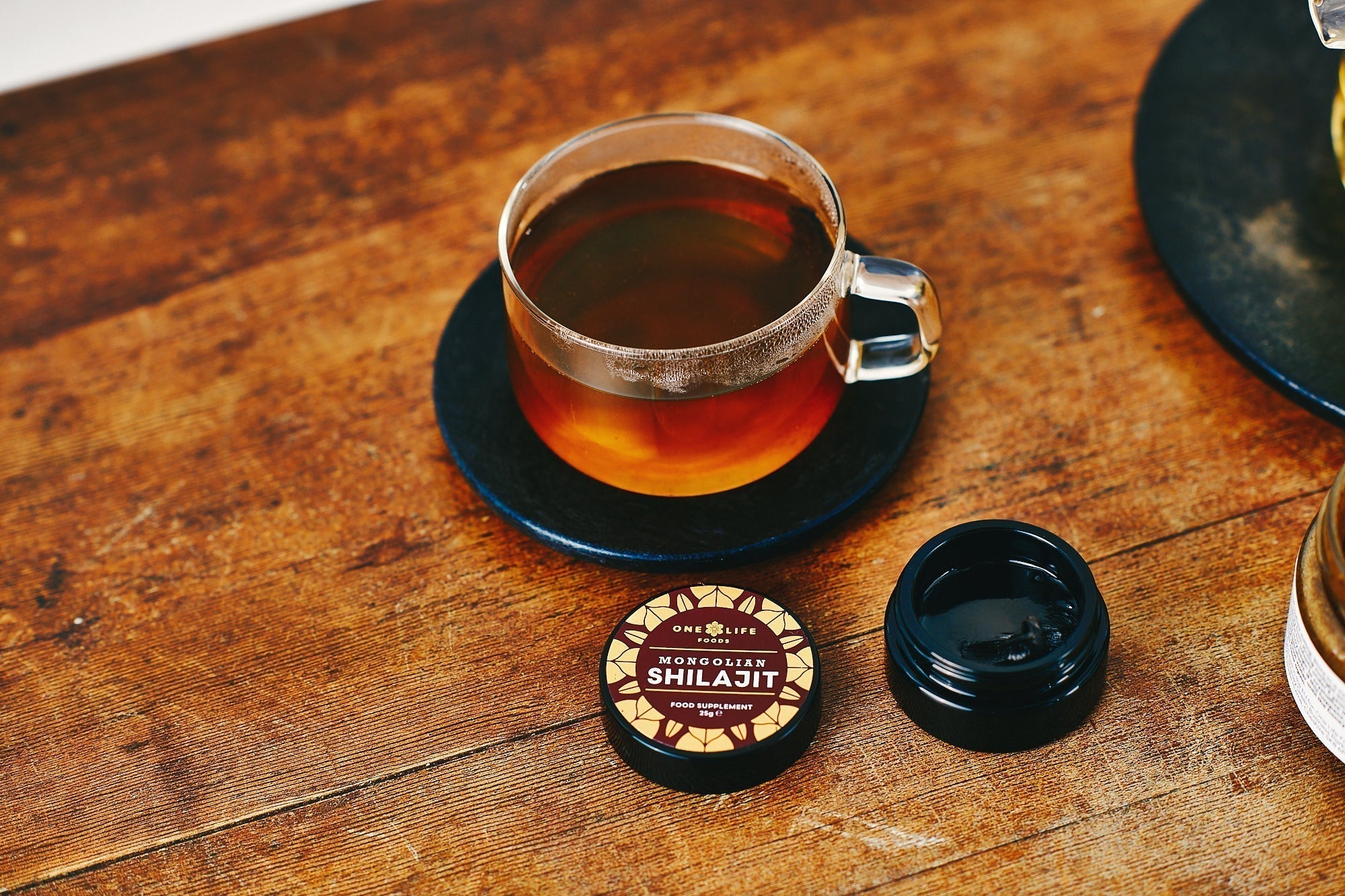
Shilajit for women is often overlooked.
Most conversations focus on male health—testosterone, performance, strength. But Shilajit offers a range of benefits for women, particularly when it comes to energy, stress resilience, and overall physiological balance.
Shilajit isn’t a “male” supplement. It’s a complex natural compound that works at the level of cellular energy, mineral transport, and stress response—all of which are just as relevant for women. If you’re new to it, it helps to understand what Shilajit actually is and how it forms.
The real question isn’t whether women can take Shilajit.
It’s how it fits into female physiology in a meaningful, long-term way.
Why Shilajit Works Differently to Standard Supplements
Shilajit isn’t just a source of minerals.
It functions as a delivery system. This is part of a broader mechanism involving fulvic compounds and mitochondrial support.
Its fulvic acid matrix helps transport nutrients into cells more efficiently, while compounds like dibenzo-α-pyrones (DBPs) support mitochondrial function and redox balance.
This is why the benefits of Shilajit for women aren’t about “adding more” to the body.
They’re about improving how the body uses what’s already there.
Shilajit for Women: Energy and Physical Performance
Shilajit supports mitochondrial efficiency—the system responsible for producing ATP (cellular energy).
In practical terms, this may support:
- more stable energy levels
- improved training output
- reduced fatigue over time
without relying on stimulants.
For women balancing training, work, and daily stress, this kind of non-stimulant energy support is often more sustainable.
Does Shilajit Help Hormonal Balance in Women?
Shilajit is often described as an adaptogen.
Rather than directly increasing hormones, it may support:
- stress regulation (HPA axis)
- resilience to physical and mental load
- overall system stability
This can be particularly relevant during:
- high-stress periods
- hormonal fluctuations
- demanding routines
So while Shilajit doesn’t directly “balance hormones” in a clinical sense, it may help create conditions where the body regulates itself more effectively. This is a common area where Shilajit is often misunderstood.
Shilajit for Women and Iron, Fatigue, and Mineral Support
Women are more likely to experience low iron levels due to menstruation.
Shilajit naturally contains trace minerals, including iron, and its fulvic compounds may support absorption and utilisation.
It’s not a replacement for targeted iron supplementation where needed, but it can contribute to:
- overall mineral intake
- improved nutrient transport
- reduced fatigue linked to deficiency
Shilajit for Women During Perimenopause and Menopause
During perimenopause and menopause, changes in oestrogen can affect:
- mood
- cognitive clarity
- bone density
- energy levels
Shilajit’s role here is indirect but relevant.
By supporting:
- mitochondrial function
- mineral balance
- oxidative stress control
it may help maintain greater stability during hormonal transitions.
Skin, Hair and Ageing Support
Oxidative stress plays a role in visible ageing.
Shilajit contains fulvic compounds with antioxidant properties that may support:
- skin integrity
- collagen environment
- hair strength
These effects are not cosmetic or immediate—they come from supporting cellular health over time.
Joint Health and Inflammation
Shilajit has demonstrated antioxidant and anti-inflammatory properties.
For women, this may support:
- joint comfort
- mobility
- recovery
particularly during periods of increased physical or hormonal stress.
Stress, Mood and Cognitive Function
Some women report a noticeable stabilising or calming effect when using Shilajit.
This is likely linked to:
- improved energy regulation
- better sleep quality
- reduced physiological stress load
rather than a direct sedative effect.
How to Take Shilajit for Women
Shilajit is typically taken in small, consistent daily amounts.
A pea-sized serving is often sufficient.
The goal isn’t a quick or acute effect—it’s gradual, cumulative support over time.
If you’re unsure how to use it properly, it’s worth understanding how Shilajit is typically taken.
Choosing the Right Type of Shilajit
Not all Shilajit is the same.
Different regions and compositions can vary in:
- mineral balance
- fulvic to humic ratio
- overall intensity and feel
If you’re new, a clean and balanced resin (such as Altai or Mongolian) is typically the most reliable starting point.
If you want a deeper comparison, it helps to understand which Shilajit is best for your specific routine.
The Bottom Line: Is Shilajit Good for Women?
Yes—but not in the way most supplements are marketed.
The benefits of Shilajit for women come from supporting:
- energy systems
- mineral transport
- stress resilience
- long-term physiological balance
It’s not a quick fix.
But used consistently, it can become a reliable foundation for overall wellbeing.
FAQs About Shilajit for Women
Is Shilajit safe for women?
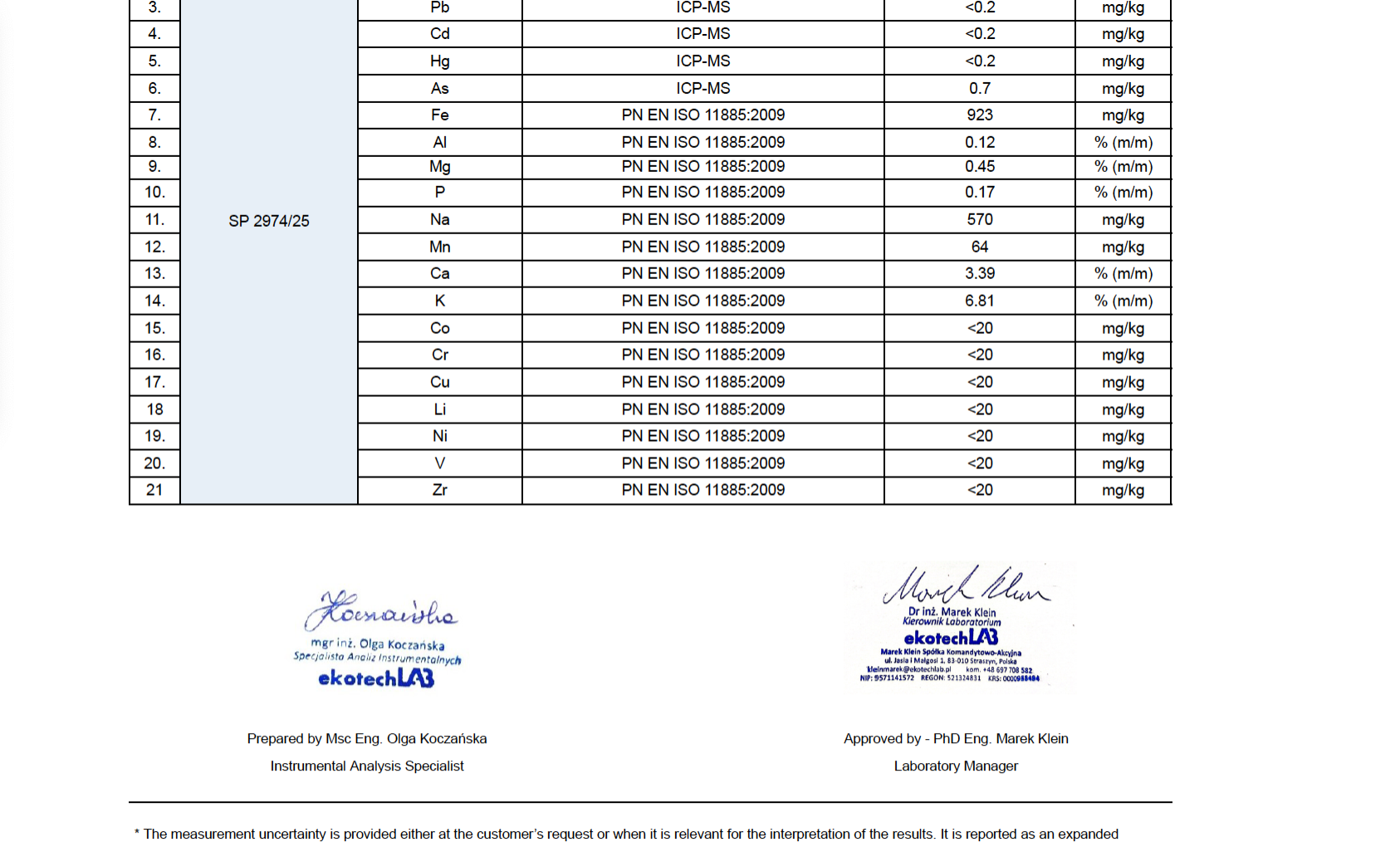
Shilajit is generally considered safe when properly purified and tested. Quality matters, so sourcing and lab verification are important.
Can women take Shilajit daily?
Yes. Shilajit is typically taken daily in small amounts, with effects building over time through consistent use.
Does Shilajit affect female hormones?
Shilajit does not directly increase hormones like oestrogen, but it may support hormonal balance indirectly through stress and energy regulation.
What are the main benefits of Shilajit for women?
The main benefits include support for energy, stress resilience, mineral balance, and overall physiological stability.
Explore the Range
If you’re looking to incorporate Shilajit into your routine, you can explore the full One Life Foods range here

Share:
Chaga - The King of Medicinal Mushrooms
Lion’s Mane Health Benefits