


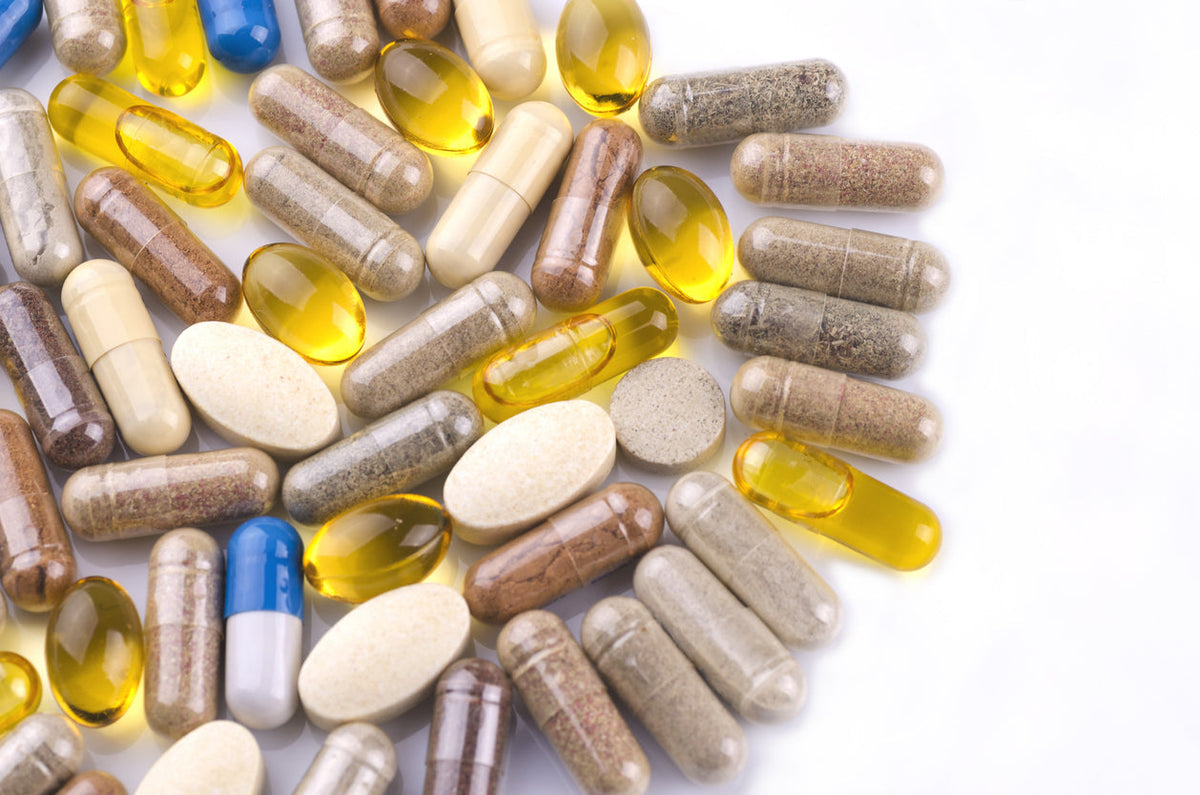
If your supplement shelf is starting to look like a biohacker’s lab after a questionable payday, it might be time to rethink the “more is more” approach.
Capsules, powders, gummies, tinctures, mushroom blends, mineral complexes, herbal extracts, pre-workouts, sleep formulas, greens powders and elixirs of mysterious pond water. The temptation is everywhere.
But supplement stacking is not about hoarding tubs and praying for gains. It is not throwing five trendy ingredients into your basket because someone with abs and a ring light said it changed their life.
Smart stacking is about structure.
It means combining supplements in a way that supports a clear goal, such as energy, recovery, sleep, mood, hormonal health, immune resilience or performance. A good stack uses ingredients that complement each other. A bad stack is just expensive biochemical clutter.
No fairy dust. No guru nonsense. Just practical, science-led supplement strategy, with the occasional raised eyebrow.
What is supplement stacking?
Supplement stacking is the practice of combining two or more supplements to support a specific outcome.
That outcome might be better gym performance, improved recovery, deeper sleep, steadier energy, mood support, hormone health, immune support or general wellbeing.
A smart supplement stack considers:
-
What each ingredient does
-
Whether the ingredients work well together
-
Whether the doses are effective
-
Whether timing matters
-
Whether absorption is affected
-
Whether cofactors are needed
-
Whether there is unnecessary overlap
-
Whether the stack suits the person taking it
A poor stack usually does the opposite. It adds more products without a clear reason, overlaps ingredients by accident, ignores lifestyle foundations, and often creates a routine so complicated that nobody sticks to it for more than four heroic days.
The aim is not to take the most supplements.
The aim is to take the right supplements, for the right reason, in the right context.
Supplement stacking does not mean supplement roulette
Stacking is not tossing three vaguely anabolic-sounding products into your cart and hoping they get along.
There is real logic behind good supplement combinations. Nutrient pathways, hormonal signalling, enzyme cofactors, absorption dynamics, mitochondrial energy production, neurotransmitter support and inflammation control all matter.
You know, real stuff.
Despite what certain rebranded influencer collections want you to believe, stacking is not a revolutionary new concept. They did not discover fire. They just slapped the word “stack” on a bundle and hoped you would confuse convenience for credibility.
That does not mean all bundles are bad. A well-designed stack can be extremely useful. But the principle comes first. The product comes second.
A strong supplement stack should answer three questions:
-
What is the goal?
-
What systems are we supporting?
-
Why are these ingredients together?
If you cannot answer those, you do not have a stack.
You have a receipt.
Before you stack supplements, fix the foundations
Before we get into what to take with what, let’s get brutally honest.
If your lifestyle is a mess, your supplements are just expensive distractions.
You cannot out-stack four hours of sleep, zero protein, chronic stress and a diet that is 60% beige convenience food.
Start here:
-
Sleep: Non-negotiable. Recovery, hormones, mood, immune function and performance all depend on it.
-
Resistance training: Lift heavy, but lift smart. Muscle is metabolic armour.
-
Nutrient-dense food: If it grew, walked, swam or came from something that did, you are usually moving in the right direction.
-
Protein intake: Crucial for recovery, lean mass, satiety and metabolic health.
-
Hydration and electrolytes: Boring until they are the reason your training feels like dragging a fridge uphill.
-
Stress management: Emotional damage is not a pre-workout.
-
Blood testing where appropriate: Guessing is fun until your “low energy” stack ignores the fact you are deficient in something basic.
Before adding more capsules, it is worth understanding why supplements take time to work and why sleep, food, training and consistency still do most of the heavy lifting.
Hydration is another foundation people love to ignore, even though hydration and electrolyte balance can make or break energy, performance and recovery.
Supplements should support the foundations, not replace them.
Think of your stack as the fine-tuning, not the engine.
If energy or training performance is your goal, explore our Energy & Performance supplements to compare individual formulations and structured options. Start with what you actually need, not whichever stack has the loudest marketing.
Supplement Synergy vs Antergy: The Real Math Behind Your Stack
Synergy = 1 + 1 = 3
Some ingredients amplify each other.
That is nutritional teamwork at its best.
Supplement synergy happens when two or more ingredients support the same goal through different but complementary pathways. They are not just sitting next to each other on a label looking busy. They are helping the body move in the same direction from multiple angles.
A good stack should feel coordinated, not crowded.
This is the same principle behind how supplement synergy works: ingredients should support related pathways, not just share space on a label.
Example: Fenugreek, Zinc and Vitamin D3 for Testosterone Support
Take fenugreek, zinc and vitamin D3 as an example of a hormone-support stack.
These three ingredients are often used together because they can support different aspects of natural testosterone production and hormonal function. The key system here is the HPT axis, which stands for the Hypothalamic-Pituitary-Testicular axis.
In plain English, this is the communication loop between the brain and the testes. The hypothalamus and pituitary help regulate signals that influence testosterone production. The testes respond to those signals.
When this system is well supported, the body is in a better position to maintain healthy testosterone levels.
That does not mean throwing any “test booster” into a capsule and hoping your endocrine system writes a thank-you note. It means understanding the pathway.
Fenugreek
Fenugreek is often used in testosterone and libido-support formulas because it may help support free testosterone levels.
One proposed mechanism is its influence on SHBG, or sex hormone-binding globulin. SHBG binds to testosterone in the bloodstream. When testosterone is bound, it is not freely available for use by tissues.
By helping support a healthier free testosterone profile, fenugreek may play a useful role in performance, vitality and libido-focused stacks.
Fenugreek may also influence insulin sensitivity and glucose metabolism, which can indirectly affect hormonal health. That matters because metabolism and hormones are not separate departments. They are more like two badly organised colleagues sharing the same office.
Zinc
Zinc is essential for hormone function, immune health, enzyme activity and reproductive health.
In the context of testosterone, zinc matters because it is involved in luteinising hormone signalling. Luteinising hormone, often shortened to LH, is one of the signals that tells the testes to produce testosterone.
Low zinc status can be a problem for testosterone production, fertility, immune function and general performance.
This is why zinc can be useful in a hormone-support stack, especially for people who do not get enough through diet or who may have higher requirements.
The important point is dose. Zinc is useful. Recklessly high zinc for months on end is not clever. Too much zinc can interfere with copper balance, which is a very avoidable way to create a new problem while trying to solve an old one.
Vitamin D3
Vitamin D3 is not just a vitamin in the old-fashioned sense. It acts more like a hormone in the body.
It supports immune function, muscle function, bone health, mood and hormonal health. It also plays a role in the wider signalling environment that influences testosterone production.
Vitamin D receptors are found throughout the body, including in tissues involved in hormone regulation. Low vitamin D status is also common in people with limited sunlight exposure, especially during darker months.
For testosterone support, vitamin D3 makes sense as part of a foundational stack, particularly when blood levels are low or sun exposure is poor.
Why They Work Better Together
Fenugreek, zinc and vitamin D3 are not doing the exact same job.
That is the point.
Fenugreek may support free testosterone and metabolic function. Zinc supports LH signalling, enzyme activity and reproductive health. Vitamin D3 supports wider hormonal signalling, immune function and the upstream regulatory environment.
Together, they support the same broad goal from different angles.
You are not just pushing one lever harder. You are supporting the whole control panel.
That is synergy.
Not more noise. Better coordination.
Where relevant, this is the kind of logic that should sit behind any well-designed performance stack. The ingredients should not be thrown together because they sound good. They should earn their place by supporting related systems, such as energy, hormones, recovery and performance.
For a deeper look at this area, it is worth understanding testosterone-supporting herbal extracts before stacking every “alpha” herb under the sun.
Antergy = 1 + 1 = “What Is This Even Doing?”
Sometimes more is not better.
Sometimes more is biochemical chaos.
Antergy is what happens when ingredients clash, compete, duplicate effects or pull the body in different directions.
They might all be useful ingredients individually. The problem is the combination.
A supplement can be good. Another supplement can also be good. Together, they can still make very little sense.
Welcome to the glamorous world of context.
Example: High-Dose Tongkat Ali with Resveratrol, Quercetin or Berberine
Let’s say someone is taking high-dose Tongkat Ali, perhaps around 400 mg per day, as part of a testosterone or vitality stack.
Then they add resveratrol, quercetin or berberine because they have heard those ingredients are good for longevity, inflammation, blood sugar, antioxidant support or general health.
Individually, these ingredients may have interesting benefits.
Together, depending on the dose and context, the stack can become less straightforward.
Tongkat Ali
Tongkat Ali is often used for male vitality, libido, stress resilience and testosterone support.
One of the reasons it is interesting is that it may help support free testosterone and reduce stress-related suppression of hormonal function. Some of its effects may relate to cortisol balance, SHBG, androgen signalling and enzyme modulation.
That makes it appealing in performance and hormone-support stacks.
But it also means it should not be treated like a harmless magic root that can be thrown into any routine without thought.
Resveratrol and Quercetin
Resveratrol and quercetin are polyphenols often used for antioxidant support, inflammation balance, cardiovascular health and healthy ageing.
They can also influence enzymes involved in hormone metabolism, including enzymes connected to androgen and oestrogen pathways.
This is where things get interesting.
If one ingredient is being used to support androgen activity, while another may influence enzymes involved in sex hormone metabolism, the outcome can become more complex than “more health equals more better.”
That is not a typo. That is supplement marketing logic, and it needs supervision.
Berberine
Berberine is often used for blood sugar support, insulin sensitivity and metabolic health.
It can be very useful in the right context. But it is also a potent ingredient that can influence AMPK, glucose metabolism, gut function and medication pathways.
If someone is stacking berberine with multiple hormone-support herbs, stimulants, adaptogens or blood sugar support products, the overall effect can become harder to predict.
Again, the issue is not that berberine is “bad.” The issue is whether it belongs in that specific stack, for that specific person, at that specific dose.
The Problem with Biochemical Tug-of-War
This is where antergy comes in.
One ingredient is trying to support androgen activity. Another is influencing enzymes involved in hormone metabolism. Another is pushing metabolic pathways. Another is added for longevity. Another is there because a podcast guest said it changed their mitochondria.
Suddenly, your stack is not a strategy.
It is a committee meeting.
And nobody is taking minutes.
The moral is simple:
Do not just pile on the hottest herbals.
Think synergy. Know the pathways. Respect the dose. Understand the goal.
You do not need more noise.
You need better results.
Cofactors: The Nutrients Behind the Nutrients
You can take the most “bioavailable” supplement on earth, but if you are missing the nutrients that help your body use it, convert it or respond to it, you may not get the result you expected.
Congratulations. You may have just bought expensive urine.
Cofactors are the supporting nutrients that help biological processes happen properly.
They are not always glamorous. They do not usually come with aggressive marketing. But they matter.
A supplement can contain a clever ingredient, but the body still needs the background machinery to use it.
For example:
-
Vitamin D needs magnesium for activation.
-
Thyroid hormones require iodine, selenium, zinc, iron and tyrosine.
-
Methylation relies on folate, B12, B6, riboflavin, choline, magnesium and other nutrients.
-
Testosterone production depends on cholesterol availability, zinc, vitamin D, magnesium, boron, sleep and energy balance.
-
Collagen synthesis requires vitamin C and amino acids such as glycine, proline and lysine.
-
Energy production depends on B vitamins, magnesium, CoQ10, iron status, oxygen delivery and mitochondrial function.
This is why a good stack is not just about the headline ingredient.
It is about the supporting cast.
This is also why methylation and nutrient cofactors may matter, especially when you are dealing with energy, mood, detoxification, hormones and nervous system function.
Magnesium
Magnesium is involved in hundreds of enzymatic processes, including energy production, muscle function, nervous system regulation, vitamin D metabolism and sleep support.
It is one of the most useful foundational minerals in many supplement routines.
Common forms include:
-
Magnesium bisglycinate: Often used for sleep, relaxation and tolerability
-
Magnesium citrate: Often used for bowel regularity, but can be too laxative for some
-
Magnesium malate: Often used in energy and muscle support contexts
-
Magnesium oxide: Less absorbed, but may still have specific uses in digestive or slower-release style formulas
The form matters, but the goal matters too.
Magnesium bisglycinate may be ideal in an evening relaxation stack. Magnesium malate may make more sense in an energy-support routine. Magnesium oxide may not be the most absorbable form, but that does not automatically make it useless in every formula.
Context, again.
Rude how often that word shows up.
Vitamin D3
Vitamin D3 supports immune function, mood, muscle function, bone health and hormonal health.
It is especially relevant for people with limited sunlight exposure, darker winter months, indoor lifestyles or low blood levels.
Vitamin D3 often makes more sense when considered alongside magnesium, vitamin K2, dietary fat and blood testing.
Taking vitamin D without enough magnesium is like hiring a builder and giving him no tools.
He may technically be on site, but do not expect miracles.
Zinc
Zinc supports immune function, hormone health, reproductive health, skin health and enzyme activity.
It can be useful, but high doses should not be taken indefinitely without considering copper balance.
More zinc is not always better. Correct zinc status is the goal.
Zinc also competes with other minerals, so timing and total intake matter if you are combining it with magnesium, calcium, iron or multi-mineral products.
Boron
Boron is a trace mineral that may support vitamin D metabolism, bone health and free testosterone levels by influencing sex hormone-binding globulin.
It is often used in small doses, commonly around 3 mg per day, sometimes higher depending on context.
Again, this is not about megadosing. It is about strategic support.
Boron is a good example of a small-dose nutrient that can still have a meaningful place in a stack when used properly.
Not everything useful needs to arrive in a 12 g scoop and taste like radioactive mango.
Omega-3 Fatty Acids
Omega-3s, especially EPA and DHA, support inflammation balance, brain health, cardiovascular health, mood and recovery.
Fish oil is often part of a foundational stack because it supports multiple systems at once.
Quality matters here. Freshness, sourcing, form, oxidation control and dose are all relevant.
Omega-3 quality matters too, particularly when you look at why fish oil form matters rather than judging a product by capsule size alone.
A poor-quality fish oil is not a health strategy. It is a burp with branding.
Does Supplement Form Matter?
Yes, but not always in the way marketing suggests.
Words like liposomal, methylated, chelated, fermented, activated and bioavailable can sound impressive. Sometimes they matter. Sometimes they are useful. Sometimes they are there because the label needed a little jazz.
Supplement form should be judged by:
-
Absorption
-
Tolerability
-
Stability
-
Dose practicality
-
Timing
-
Cost
-
The goal of the ingredient
This is where powders, capsules and supplement precision become more important than flashy label claims.
Capsules
Capsules are practical, portable and useful for precise dosing. They are often ideal for herbal extracts, minerals, adaptogens and concentrated formulas.
They are not perfect for everything, especially ingredients that require large gram doses, such as creatine, collagen, glycine or citrulline.
If a capsule claims to contain clinically meaningful doses of ten different gram-dose ingredients, check the serving size. Physics still applies, sadly.
Powders
Powders are useful when the effective dose is too large for capsules.
Examples include:
-
Creatine
-
Collagen
-
Glycine
-
Electrolytes
-
Protein
-
Citrulline
-
Beta-alanine
The downside is that powders can be less convenient, less precise if people use vague scoops, and more prone to taste, texture and compliance issues.
Powders are great when the ingredient needs volume. They are less great when someone claims a tiny scoop contains enough of everything to solve sleep, stress, hormones, digestion, immunity and your relationship with your inbox.
Liquids
Liquid supplements can be useful in certain cases, especially when swallowing tablets or capsules is difficult.
But liquid does not automatically mean better absorbed. Stability, dose, ingredient type and formulation quality all matter.
Some nutrients are stable in liquid. Some are not. Some require preservatives. Some degrade more easily. Some taste like regret wearing a health halo.
Liquid can be useful.
Liquid is not automatically superior, which is why it helps to understand whether liquid supplements are better absorbed before assuming a dropper bottle is doing God’s work.
Tablets
Tablets can offer accurate dosing and good stability, but quality varies.
A well-made tablet is not inferior simply because it is not liquid, liposomal or sprinkled with wellness fairy dust.
Some ingredients need fillers, binders and anti-caking agents to ensure dose accuracy, consistency and manufacturing quality. That does not automatically make them “nasty.” It depends what is used, why it is used, and how transparent the formulation is.
How to Build a Supplement Stack Properly
A good stack starts with a clear goal.
Do not begin with products. Begin with the outcome.
Ask:
-
What am I trying to improve?
-
What is the most likely reason this needs support?
-
What foundations need fixing first?
-
Which supplements have the best evidence or rationale?
-
What dose is actually useful?
-
When should I take it?
-
How will I know if it is working?
-
Is anything duplicated?
-
Is anything likely to clash?
-
Do I need blood testing or professional guidance?
That last question is not there for decoration.
If you are dealing with hormones, thyroid issues, iron status, chronic fatigue, medication, fertility, pregnancy, cardiovascular concerns or ongoing symptoms, get proper advice.
This is where biochemical individuality comes in, because two people can take the same stack and respond completely differently.
Supplement stacking should be strategic, not heroic.
Supplement Stacks by Goal
Below are examples of how to think about supplement combinations.
These are not medical prescriptions. They are educational frameworks.
The right stack depends on your diet, training, sleep, stress, health status, medication use, blood work and goals.
1. Energy and Focus Stack
A good energy and focus stack should improve alertness, mental clarity and productivity without leaving you overstimulated, anxious or useless by 3 pm.
The goal is clean output, not feeling like your nervous system has been chased through a car park.
Caffeine and L-Theanine
Caffeine can increase alertness, drive and reaction time. It works mainly by blocking adenosine receptors, which reduces the perception of tiredness.
The problem is that caffeine can also increase jitteriness, anxiety and that delightful feeling that your emails are physically attacking you.
L-theanine, an amino acid found in tea, can promote calmer focus. It may help smooth the stimulant effect of caffeine without necessarily dulling alertness.
Typical range:
-
Caffeine: 100 to 200 mg
-
L-theanine: 100 to 200 mg
This combination is useful before training, demanding work or mentally intense tasks.
L-Tyrosine and Rhodiola
L-tyrosine is a precursor to catecholamines such as dopamine, noradrenaline and adrenaline. These neurotransmitters are involved in motivation, alertness, stress response and mental performance.
Rhodiola rosea is an adaptogen often used for fatigue, stress resilience and cognitive performance under pressure.
Together, they may support focus when stress is high and mental demand is heavy.
Typical range:
-
L-tyrosine: 500 to 1000 mg
-
Rhodiola rosea: 200 to 400 mg, ideally standardised
This is not a slap-in-the-face stimulant stack. It is more about supporting the brain’s stress and drive systems so you can function without needing industrial caffeine and blind optimism.
Lion’s Mane and L-Theanine
Lion’s Mane is commonly used for cognitive support and nerve growth factor-related pathways. It is not a stimulant in the classic sense.
L-theanine can help promote calm focus.
Together, this pairing may suit people who want a non-stimulant focus stack that supports mental clarity without overstimulation.
It is not designed to kick the door off its hinges. It is designed to keep the lights on upstairs.
For a deeper dive into nootropic mushrooms, explore Lion’s Mane for cognitive support.
2. Gym Performance Stack
A good gym stack should support energy, power, blood flow, focus and recovery.
It should not be a stimulant grenade with a fruit punch label.
Useful ingredients may include creatine, citrulline, beta-alanine, caffeine, electrolytes, adaptogens and nootropics, depending on the goal.
Creatine
Creatine supports phosphocreatine stores in muscle. Phosphocreatine helps regenerate ATP, which is the body’s immediate energy currency for short, intense efforts.
This is why creatine is so useful for strength, power, repeated sprint ability, lean mass and high-intensity performance.
Typical dose:
-
Creatine monohydrate: 3 to 5 g daily
Timing is less important than consistency. Taking creatine daily matters more than trying to time it with the precision of a NASA launch.
For those who prefer a more complete training formula, our CELL™ Creatine & Cellular Force System combines creatine monohydrate with electrolytes, betaine and taurine. The ingredients and quantities are disclosed, so you can see exactly what you're adding to your routine.
Citrulline
L-citrulline supports nitric oxide production, which can improve blood flow, pump and nutrient delivery during training.
Unlike arginine, citrulline tends to raise blood arginine levels more effectively because it bypasses some of the breakdown that arginine experiences in the gut and liver.
Typical dose:
-
L-citrulline: around 6 g before training
This is useful for pump, vascularity and performance during higher-volume sessions.
Beta-Alanine
Beta-alanine supports muscular endurance by increasing muscle carnosine levels. Carnosine helps buffer hydrogen ions that build up during intense exercise.
In plain English, it helps delay the burning fatigue that arrives when your muscles start questioning your life choices.
Typical dose:
-
Beta-alanine: 3.2 to 6.4 g daily
It works through saturation, so daily use matters more than only taking it pre-workout.
Yes, the tingles are normal.
No, they do not mean you are evolving.
Caffeine and L-Theanine
Useful where energy, drive and focus are needed.
Typical range:
-
Caffeine: 150 to 200 mg
-
L-theanine: 100 to 200 mg
This pairing can help support focused training without pushing the nervous system into full goblin mode.
Electrolytes
Sodium, potassium and magnesium support hydration, nerve function, muscle contraction and performance.
Electrolytes are particularly important during intense training, long sessions, hot environments, heavy sweating, low-carb diets or endurance work.
Common training ranges:
-
Sodium: 300 to 1000 mg, depending on sweat rate and session length
-
Potassium: 100 to 300 mg
-
Magnesium: 50 to 200 mg
Electrolytes are especially important during hard sessions, which is why electrolytes for training performance deserve more attention than they usually get.
They are not exciting until you realise your “bad session” was partly dehydration wearing a fake moustache.
3. Sport and Endurance Stack
Endurance stacks should support hydration, oxygen use, mitochondrial function, fatigue resistance and recovery.
This is not just about “more energy.” It is about sustaining output without the wheels falling off.
Creatine and Electrolytes
Creatine is often thought of as a strength supplement, but it can also support repeated high-intensity efforts, sprint performance and recovery between bouts.
Electrolytes help maintain fluid balance, nerve signalling and muscle contraction.
For field sports, combat sports, running, cycling, Hyrox-style training, endurance gym work or long sessions, this combination can be extremely practical.
This is also where a proper hydration strategy for endurance training matters, because fluid balance, sodium intake and sweat rate can directly affect output.
Cordyceps and Creatine
Cordyceps is traditionally used for stamina, vitality and respiratory support. It is often positioned as a functional mushroom for energy and endurance.
Creatine supports cellular energy regeneration through the phosphocreatine system.
Together, this combination may suit athletes who want energy support without leaning purely on stimulants.
Cordyceps is more of a slow-burn performance support ingredient. It is not caffeine. It will not make you hear colours.
Beetroot Powder
Beetroot powder is rich in nitrates, which can support nitric oxide production.
Nitric oxide helps blood vessels relax and widen, improving blood flow and oxygen delivery.
Typical range:
-
Beetroot powder: 4 to 6 g, depending on nitrate content
This may be useful for endurance performance, oxygen efficiency and high-rep training.
Fish Oil and Ashwagandha
Fish oil supports inflammation balance, cell membrane health and recovery.
Ashwagandha may support stress resilience, cortisol regulation and recovery in some people.
This combination may suit athletes dealing with high training load, poor recovery, stress or joint discomfort.
It is not a substitute for deloading, sleeping and eating properly, but it can support the system if the foundations are in place.
4. Everyday Foundation Stack
For many people, the best supplement stack is not exotic.
It is foundational.
The everyday stack should support the systems you rely on daily: energy, mood, immunity, recovery, metabolism, cognition and general resilience.
A sensible daily stack may include:
Vitamin D3
Useful where sunlight exposure is low or blood levels are insufficient.
Vitamin D3 supports immune function, mood, muscle function, bone health and hormonal health.
It is often best taken with food containing fat.
Magnesium
Supports sleep, stress regulation, muscle function, nervous system balance and vitamin D metabolism.
Magnesium bisglycinate is often a good everyday option due to tolerability and calming effects.
Omega-3
Supports brain, heart, mood, inflammation balance and recovery.
Dose should be judged by EPA and DHA content, not just total fish oil weight.
A 1000 mg fish oil capsule is not automatically 1000 mg of omega-3.
Label reading. Annoying, but useful.
Creatine
Supports strength, power, lean mass and cognitive energy, especially where dietary intake from meat and fish is low.
Creatine is not just for bodybuilders. It is a cellular energy support supplement with broad usefulness.
Protein, If Needed
Not everyone needs protein powder.
Many people do need enough protein.
If food intake is short, a high-quality protein supplement can be useful.
Protein is not fancy, but it is foundational. Muscle does not grow on vibes.
Probiotic or Gut Support, If Appropriate
Gut support should be selected based on need, not because the word “microbiome” has been shouted at you by a label.
Different probiotic strains do different things. A general gut product may help some people, but it is not a universal fix.
The smarter approach is to personalise your supplements and nutrition around your goals, diet, training, blood work and tolerance.
It also helps to understand the basics of getting the most from your supplements, because consistency, timing and context often matter more than adding something new.
For those who prefer a combined approach to daily vitamins and minerals, our Vitality Liquid Multivitamin brings together a broad range of nutrients, amino acids and selected plant extracts in one 15 ml serving. It can simplify a routine, although it's still important to check for overlapping nutrients before adding other supplements.
5. Recovery Stack
Recovery is not just about soreness.
It includes muscle repair, nervous system regulation, inflammation balance, connective tissue support, sleep quality and readiness to train again.
A proper recovery stack should support the tissues you stress and the systems that repair them.
Magnesium and Glycine
Magnesium supports relaxation, muscle function and nervous system balance.
Glycine is an amino acid involved in collagen synthesis, neurotransmission and sleep quality.
Glycine may also help lower core body temperature before sleep, which can support sleep onset.
Typical range:
-
Glycine: 3 to 5 g in the evening
This pairing makes sense because recovery is not just muscular. It is neurological too.
Collagen and Vitamin C
Collagen provides amino acids such as glycine, proline and hydroxyproline. These are important for connective tissue structure.
Vitamin C supports normal collagen formation.
Typical range:
-
Collagen peptides: 10 to 15 g
-
Vitamin C: 50 to 200 mg alongside collagen
This may be useful for connective tissue support, especially around training, tendons, ligaments and joints.
Collagen is not a complete protein for muscle building, but it can be useful for structural support.
Different job. Same body.
Creatine and Tart Cherry
Creatine supports repeated performance and cellular energy.
Tart cherry is often used for recovery, soreness and oxidative stress support after intense training.
Together, they may help support training output and recovery capacity.
Fish Oil and Curcumin
Fish oil and curcumin both sit in the inflammation-support category, although they work differently.
Fish oil supports the production of specialised pro-resolving mediators and helps maintain cell membrane function.
Curcumin influences inflammatory signalling pathways, including NF-kB and COX-related pathways.
This combination may be useful for people focused on joint comfort, recovery and general inflammation balance.
This is why omega-3s for recovery and inflammation balance are often worth understanding before choosing a fish oil purely by price or capsule size.
Be careful if you take blood-thinning medication or have surgery planned. Context matters.
6. Sleep Stack
A good sleep stack should support the transition into sleep, nervous system calm, recovery and sleep quality.
It should not leave you groggy, dependent or emotionally attached to a capsule.
Sleep stacks work best when they target the systems that actually influence sleep: neurotransmitters, stress response, muscle tension, blood sugar stability, circadian rhythm and evening behaviour.
No supplement can fully compensate for scrolling in bed under a floodlight while arguing with strangers online.
Magnesium Bisglycinate
Magnesium bisglycinate is often used for relaxation, muscle tension and sleep support.
The glycine component may also contribute to calming effects.
It is usually well tolerated compared with some other magnesium forms.
Glycine
Glycine may support sleep quality, sleep onset and connective tissue repair.
Typical range:
-
Glycine: 3 to 5 g before bed
It has a mild, slightly sweet taste, which makes it easy to use in powder form.
L-Theanine
L-theanine may support calm mental focus and relaxation without heavy sedation.
Typical range:
-
L-theanine: around 200 mg in the evening
This can be useful for people whose body is tired but brain is hosting a committee meeting.
Zinc and Vitamin B6
Zinc and vitamin B6 are involved in neurotransmitter function and general nervous system health.
Vitamin B6, especially in active P-5-P form, plays a role in neurotransmitter metabolism.
This combination is often used in evening formulas, although it should not be treated as a magic sleep switch.
Functional Mushrooms
Some functional mushrooms are used for stress resilience, immune support and recovery.
Reishi is often associated with calm and evening use. Chaga is often used for immune and antioxidant support. Lion’s Mane is more commonly associated with cognition, so some people prefer it earlier in the day. Cordyceps is usually more performance and energy aligned.
A well-designed functional mushroom blend can be useful, but timing depends on the individual and the formula.
7. Mood and Stress Resilience Stack
Mood support should start with sleep, protein, sunlight, movement, social connection, stress management and medical support where needed.
Supplements can help, but they are not a substitute for dealing with real problems.
A good mood and resilience stack should support the nervous system, inflammation balance, neurotransmitter production, gut-brain signalling and stress response.
Omega-3 and Vitamin D3
Omega-3s support brain health, cell membranes and inflammation balance.
Vitamin D3 supports mood, immune function and wider hormonal signalling.
This pairing is commonly used in foundational mood-support routines, especially where dietary oily fish intake is low or sunlight exposure is poor.
Rhodiola and L-Tyrosine
Rhodiola supports stress resilience and fatigue resistance.
L-tyrosine supports catecholamine production, which may be useful during stress, focus demands and high cognitive load.
This combination is better suited to daytime use.
It is not ideal for everyone, especially people who are sensitive to stimulating adaptogens.
Saffron and Ashwagandha
Saffron is often used in mood-support contexts.
Ashwagandha may support stress resilience, cortisol regulation and calm energy in some people.
This combination should be considered carefully if you are taking medication or have thyroid, autoimmune or hormonal concerns.
Natural does not mean universally appropriate. Nightshade is natural. So is a wasp.
Lion’s Mane and Omega-3
Lion’s Mane is often used for cognitive support and neurotrophic pathways.
Omega-3s support brain cell membrane structure and inflammation balance.
Together, this pairing may support long-term cognitive health, mental clarity and brain resilience.
Probiotic Support
The gut-brain axis is a real area of interest.
The gut influences neurotransmitter production, immune signalling, inflammation and stress response.
Mood is not just a brain issue either, which is why gut health and mood regulation should not be ignored when building a stress or resilience stack.
But probiotic choice should be specific. Not all probiotics do the same thing.
A generic probiotic may be useful for some people, but strain, dose and reason for use matter.
8. Hormone-Support Stack
Hormone support is one of the most abused supplement categories.
A few herbs, a black label and a name involving “alpha” does not make something intelligent.
Hormonal health depends on sleep, energy availability, body composition, stress load, micronutrient status, training volume, thyroid function, liver health, gut health and age.
Supplements may help, but they should be chosen carefully.
Foundational Hormone-Support Nutrients
These may be useful across different hormonal goals:
-
Vitamin D3
-
Magnesium
-
Zinc
-
Boron
-
Omega-3
-
Protein
-
Creatine
-
Shilajit, where appropriate and high quality
These are not exciting in the way exotic herbs are exciting, but they often matter more.
The endocrine system likes consistency, nutrients, sleep and enough food.
It is terribly unfashionable like that.
Testosterone-Support Context
For people focused on testosterone, libido, strength or vitality, possible supportive ingredients may include:
-
Zinc, especially where intake or status is low
-
Vitamin D3, especially where blood levels are low
-
Magnesium, particularly for sleep and stress support
-
Boron, for free testosterone support
-
Fenugreek, depending on extract quality and context
-
Tongkat Ali, depending on dose, quality and tolerance
-
Shilajit, where purified and tested
But the most important point is this:
Do not guess blindly.
If testosterone, thyroid, iron, B12, vitamin D, cortisol, sleep or energy are concerns, blood testing can be far more useful than adding another herb and hoping your endocrine system sends a thank-you card.
Female Hormone and Stress-Resilience Context
For stress resilience, mood, cycle-related energy dips or hormonal balance, possible ingredients may include:
-
Magnesium
-
Omega-3
-
Vitamin D3
-
Ashwagandha
-
Rhodiola
-
Maca
-
Saffron
-
Iron, but only where deficiency or low ferritin is confirmed
-
B12 or methylated B vitamins, where relevant
-
Sea moss and bladderwrack, where iodine support is appropriate
Iron deserves special caution. It can be very useful when needed and a terrible idea when not.
Cycle symptoms, fatigue, low mood, poor recovery and low libido can have many causes. Sometimes supplements help. Sometimes the answer is food, sleep, thyroid testing, iron status, stress reduction or medical support.
Annoying, but biology did not consult the marketing department.
Biology First, Marketing Second
Herbal extracts are not always gender-specific. They are context-specific.
Some herbs marketed to men may also be useful for women. Some herbs marketed to women may be useful for men. The key is the person, the goal, the dose, the health context and the reason for taking it.
Hormones operate on a spectrum.
Your supplement strategy should be more intelligent than a pink bottle and a blue bottle.
This is where hormonal health varies by individual, because the same ingredient can feel helpful, useless or excessive depending on the person and their wider context.
9. Immune and Resilience Stack
Immune support is not about carpet-bombing your body with every “immune boosting” ingredient in the cupboard.
A sensible immune stack supports the systems your immune function relies on: nutrient status, gut health, inflammation balance, sleep, stress resilience and recovery.
Vitamin D3
Vitamin D3 is one of the most important foundational nutrients for immune function, particularly during darker months or periods of low sun exposure.
Testing can be useful to understand whether you are low and how much support is appropriate.
Zinc
Zinc supports immune cell function, skin integrity, enzyme activity and wound healing.
It can be useful short term during immune challenges, but long-term high-dose use should be approached carefully due to copper balance.
Vitamin C
Vitamin C supports immune function, antioxidant protection and collagen formation.
It is useful as part of immune support, especially where dietary intake is low.
More is not always better. There is only so much heroic orange-flavoured powder one digestive system needs to endure.
Omega-3
Omega-3s support inflammation balance and cell membrane health.
A well-regulated immune response is not just about “boosting” immunity. It is about responding appropriately and resolving inflammation properly.
That is the bit most immune marketing forgets while shouting at elderberry.
Functional Mushrooms
Mushrooms such as Chaga, Reishi, Cordyceps and Lion’s Mane are often used for immune, stress and performance support, depending on the species and extract quality.
Beta-glucans are one of the key compounds often discussed in relation to immune support.
Extract quality matters. Fruiting body versus mycelium, beta-glucan content, polysaccharide testing and sourcing all influence what you are actually taking.
This is why researched natural supplements are worth prioritising over whatever new miracle ingredient has just arrived wearing a shiny label.
Probiotics
A significant portion of immune activity is connected to the gut.
Probiotics, prebiotics and gut-support nutrients can be useful where digestion, gut barrier function or microbiome balance need support.
But again, specificity matters.
The gut is not a vague wellness fog. It is an ecosystem. Treat it accordingly.
10. The Mountain, Earth and Ocean Stack
This is a useful way to think about broad-spectrum natural support.
Not because it sounds poetic, although admittedly it does.
Because each category brings a different type of support.
Mountain: Shilajit
Shilajit provides fulvic compounds and trace minerals, and is often used for energy, vitality, mitochondrial support and performance.
The key issue with Shilajit is quality. It should be purified, tested and sourced properly.
Raw or poorly processed Shilajit can contain contaminants. This is not an area for bargain hunting.
Our Shilajit resin range includes five distinct mountain origins, each with published laboratory results. The differences go beyond the name on the jar, which is why we make the composition and testing available for comparison.
Earth: Black Seed Oil
Black seed oil is traditionally used for immune, respiratory and inflammation support.
The key active compound often discussed is thymoquinone.
It may support inflammation balance, immune response and general resilience.
Quality, freshness and thymoquinone content matter.
Our Egyptian Black Seed Oil takes a deliberately traditional approach: virgin cold-pressed, unrefined and unfiltered, with natural seed sediment retained. Its thymoquinone content has also been independently measured at approximately 1.8%.
Ocean: Sea Moss and Bladderwrack
Sea moss and bladderwrack provide minerals, including iodine, which may support thyroid function where appropriate.
This isn't for everyone. People with thyroid conditions or iodine sensitivity should be cautious and seek proper guidance.
For those who prefer preparing the raw ingredient themselves, our Wild Irish Sea Moss (Chondrus crispus) is hand-harvested from Ireland's Atlantic coast and supplied whole and dried. It can be prepared traditionally as a gel, giving you control over the consistency and quantity you make.
Together, this style of stack aims to support resilience from several angles: minerals, immune balance, inflammation support, thyroid context and cellular energy.
Not marketing fluff.
Just a useful framework when used sensibly.
Common Supplement Stacking Mistakes
Mistake 1: Starting with too many products
If you start five new supplements at once, you will have no idea what is working, what is doing nothing, and what is making you feel weird.
Start simple. Add gradually. Track response.
One change at a time is not as exciting, but it is how you learn what actually works.
Mistake 2: Ignoring dose
A supplement is not effective just because the ingredient name is on the label.
Dose matters.
A dusting of a trendy ingredient is not a clinical strategy. It is label decoration.
Always check whether the amount used is actually meaningful.
Mistake 3: Ignoring timing
Some supplements are better with food. Some are better away from certain minerals. Some make more sense before training. Some belong in the evening. Some work through daily saturation, not immediate effect.
Timing should follow the ingredient and the goal.
Convenience matters, but it should not be the only factor.
Mistake 4: Duplicating ingredients
Many people accidentally take the same nutrient across several products.
This is common with:
-
Vitamin D
-
Zinc
-
Magnesium
-
Caffeine
-
Green tea extract
-
Ashwagandha
-
B vitamins
-
Iron
-
Iodine
Always check the full supplement facts panel.
Your body does not care that the overlap came from three different tubs.
Mistake 5: Chasing trends
The supplement industry loves novelty.
New names. New extracts. New “ancient” discoveries. New molecules. New promises.
Some are useful. Many are just old ideas wearing a new tracksuit.
Before adding anything, ask:
-
Do I need this?
-
What does it do?
-
Is the dose meaningful?
-
Does it fit my goal?
-
Is there a safer or simpler way to achieve the same thing?
If the only reason you are taking it is because it appeared in three podcasts and one man with a jawline said it changed his life, pause.
Mistake 6: Expecting instant results from everything
Some supplements can be felt quickly, such as caffeine, electrolytes or certain pre-workout ingredients.
Others take time.
Creatine works through saturation. Beta-alanine works through saturation. Vitamin D status changes gradually. Adaptogens may need consistent use. Omega-3s are not usually felt like a stimulant.
Not every supplement should slap you in the face.
Some are doing their best work quietly, which is rude from a marketing perspective but useful biologically.
This is exactly why supplements take time to work, especially when they are supporting nutrient status, adaptation, recovery or long-term biological systems rather than acute stimulation.
Mistake 7: Never cycling anything
Not every supplement needs cycling.
But some products and ingredients may benefit from breaks, especially stimulants, certain adaptogens, hormone-support herbs and more aggressive formulas.
Cycling can help preserve sensitivity, reduce tolerance, reassess need and prevent “forever stacking” out of habit.
For example, daily creatine usually does not need cycling for most people.
High-stimulant pre-workouts, aggressive fat burners or certain hormonal herb stacks may be a different story.
Some ingredients are better used strategically, so cycling your supplements can help reduce tolerance, reassess need and avoid taking things forever out of habit.
Mistake 8: Forgetting personalisation
Two people can take the same stack and get different results.
Why?
Because biology is rude like that.
Factors that influence response include:
-
Diet
-
Sleep
-
Training status
-
Stress load
-
Gut health
-
Genetics
-
Medication
-
Deficiencies
-
Hormonal status
-
Age
-
Body composition
-
Caffeine tolerance
-
Baseline nutrient levels
This is why supplement stacking should be personalised.
The best stack is not the one with the most ingredients.
It is the one that fits the person.
The smartest approach is to build a personalised supplement routine around your goals, diet, training, blood work and tolerance, rather than copying someone else’s capsule pile and hoping biology agrees.
A Simple Framework for Building Your Own Stack
Use this structure.
Step 1: Choose one main goal
Examples:
-
Better sleep
-
More training energy
-
Improved recovery
-
Better mood
-
Hormone support
-
Daily health
-
Immune resilience
-
Cognitive performance
Do not try to fix your entire life with one stack.
That is what January is for, and look how that usually goes.
Step 2: Fix the foundation
Before adding advanced supplements, check:
-
Sleep quality
-
Protein intake
-
Hydration
-
Electrolytes
-
Training structure
-
Stress
-
Sunlight
-
Basic blood markers, where relevant
Step 3: Choose foundational supplements
For many people, these are the most sensible starting points:
-
Vitamin D3, if needed
-
Magnesium
-
Omega-3
-
Creatine
-
Protein, if diet is short
-
Electrolytes, if training hard or sweating heavily
These are not glamorous, but they cover a lot of ground.
Step 4: Add goal-specific support
Then add targeted support.
Examples:
-
Sleep: Glycine, L-theanine, magnesium
-
Performance: Creatine, citrulline, beta-alanine, caffeine
-
Stress: Rhodiola, ashwagandha, magnesium
-
Recovery: Omega-3, collagen, glycine, tart cherry
-
Mood: Omega-3, saffron, vitamin D3, probiotics where appropriate
-
Hormones: Vitamin D3, zinc, magnesium, boron, targeted herbs where appropriate
Step 5: Track and adjust
Track:
-
Sleep
-
Energy
-
Mood
-
Training performance
-
Recovery
-
Digestion
-
Libido
-
Resting heart rate
-
Blood work, where relevant
If nothing changes, reassess.
If something gets worse, stop guessing.
Final Thoughts: Stack Smart, Not Hard
Supplement stacking is not about taking 15 capsules and hoping your mitochondria applaud.
It is about strategic synergy.
The best stacks support the systems that help you function, feel and perform better: sleep, energy, recovery, mood, hormones, digestion, training and resilience.
Keep it smart:
-
Synergy over quantity
-
Cofactors over complexity
-
Personalisation over hype
-
Proven doses over guesswork
-
Consistency over chaos
-
Blood testing over blind optimism
-
Foundations before fireworks
If sleep, protein intake, hydration, micronutrient intake, training structure and stress management are poor, even the most elaborate stack will only get you so far. That is why fundamental diet principles still matter before you start building a routine that looks like a supplement shop had a nervous breakdown.
Your supplement stack should work for you.
Not the other way around.
References:
Kreider RB, Kalman DS, Antonio J, et al. International Society of Sports Nutrition position stand: safety and efficacy of creatine supplementation in exercise, sport, and medicine. Journal of the International Society of Sports Nutrition. 2017;14:18.
NIH Office of Dietary Supplements. Magnesium: Fact Sheet for Health Professionals.
NIH Office of Dietary Supplements. Vitamin D: Fact Sheet for Health Professionals.
Calder PC. Omega-3 fatty acids and inflammatory processes. Nutrients. 2010;2(3):355-374.
Shoba G, Joy D, Joseph T, Majeed M, Rajendran R, Srinivas PSSR. Influence of piperine on the pharmacokinetics of curcumin in animals and human volunteers. Planta Medica. 1998;64(4):353-356.
Prinz-Langenohl R, Brämswig S, Tobolski O, Smulders YM, Smith DE, Finglas PM, Pietrzik K. [6S]-5-methyltetrahydrofolate increases plasma folate more effectively than folic acid in women with the homozygous or wild-type 677C to T polymorphism of methylenetetrahydrofolate reductase. British Journal of Pharmacology. 2009;158(8):2014-2021.
Ishaque S, Shamseer L, Bukutu C, Vohra S. Rhodiola rosea for physical and mental fatigue: a systematic review. BMC Complementary and Alternative Medicine. 2012;12:70.
Cohen PA, Avula B, Katragunta K, et al. Presence and quantity of botanical ingredients with purported performance-enhancing properties in sports supplements. JAMA Network Open. 2023;6(7):e2323879.
Written By
Written by Chris Simon, Founder of One Life Foods.
Chris has worked in the supplement industry since 2009 and is known for seeking out exceptional ingredients, products, and formulations. Read more about Chris and the story behind One Life Foods.


Share:
The Truth About Testosterone-Boosting Herbal Extracts: Hype, Hope & Hormonal Health
Powdered Herbs vs Herbal Extracts: Why That £9.99 “Super Supplement” Might Just Be a Fancy Pot of Dust