


Explore our Shilajit range in the UK
Shop our UK range of Shilajit, including regional resins from Siberian Altai, Mongolia, Kashmir, Hunza and Hindu Kush, alongside selected Shilajit blends and White Shilajit powder.
Compare products by origin, format, ingredients, purification and available laboratory testing rather than relying on one headline percentage or regional claim.
Compare our 5 Shilajit origins
Different regions can produce Shilajit with varying physical and compositional characteristics. These differences may reflect geology, altitude, environmental conditions, processing and the natural variation found between batches.
Origin can help you compare products, but it doesn't prove quality on its own. A regional name, mineral count or fulvic acid percentage should always be considered alongside the product's composition, purification and relevant testing information.
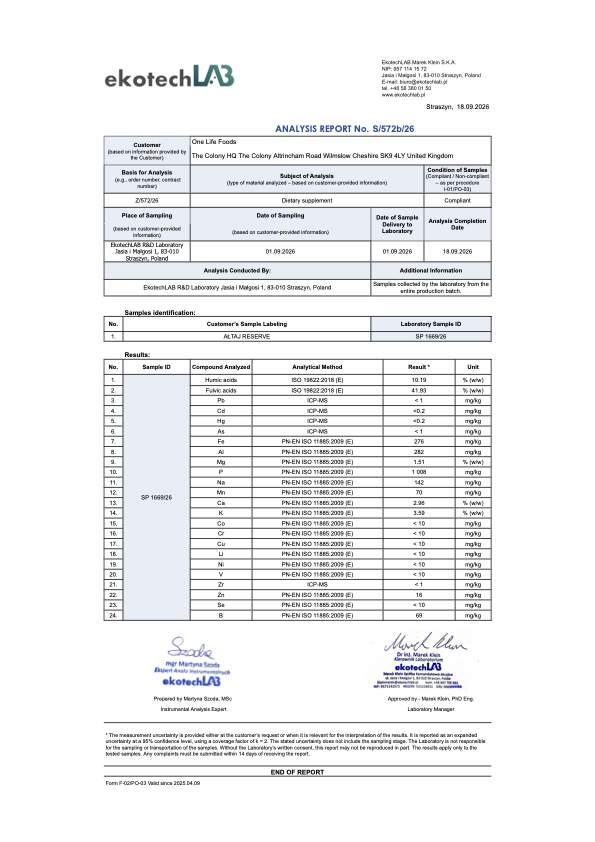
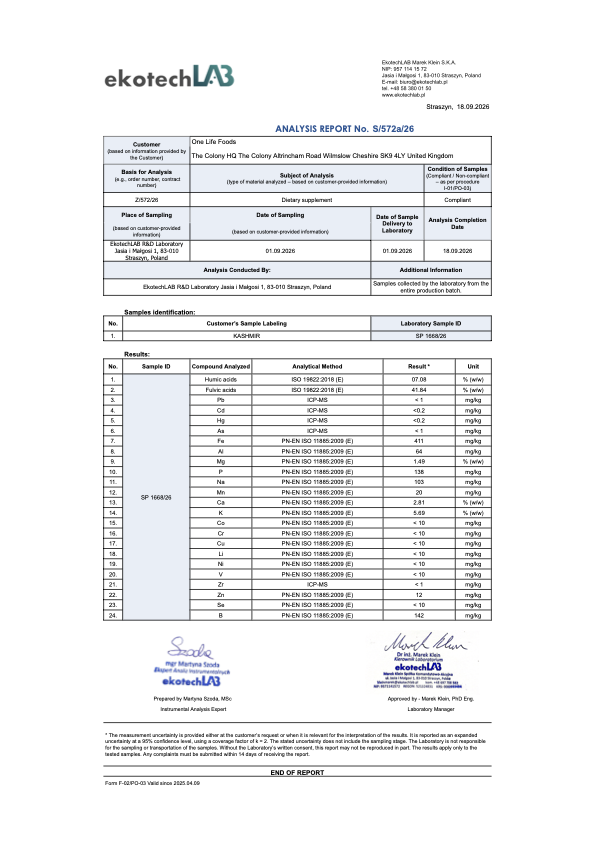
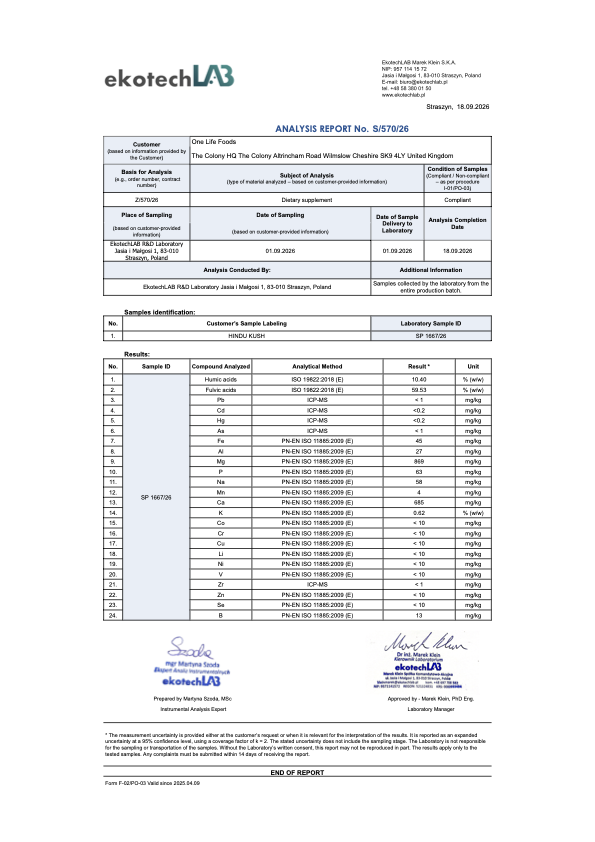
Our independently analysed Shilajit samples show different fulvic acid, humic acid and measured mineral profiles across five mountain regions.
↔ Swipe sideways to view the full comparison
| Origin | Fulvic acids | Humic acids | Minerals* |
|---|---|---|---|
| Siberian Altai | 41.19% | 5.80% | 11.11% |
| Mongolian Altai | 51.93% | 10.19% | 8.25% |
| Kashmiri | 41.84% | 7.08% | 10.08% |
| Hunza | 64.13% | 1.16% | 2.16% |
| Hindu Kush | 59.53% | 10.40% | 0.80% |
*Mineral totals represent the sum of quantified elements reported on the relevant laboratory certificates, not nutritional value or product quality. Testing dates and elemental panels differ between origins, particularly Hunza. All figures describe the batches analysed and may vary between batches.
What makes each origin different?
- Siberian Altai: The highest measured mineral total in our comparison, with the most extensive contaminant and processing-related screening in our tested range.
- Mongolian Altai: A distinct balance of fulvic acids, humic acids and measured mineral content.
- Kashmiri: A comparatively high measured mineral total, with potassium, calcium and magnesium contributing to its elemental profile.
- Hunza: The highest measured fulvic acid concentration in our range, alongside comparatively low humic acid and mineral totals.
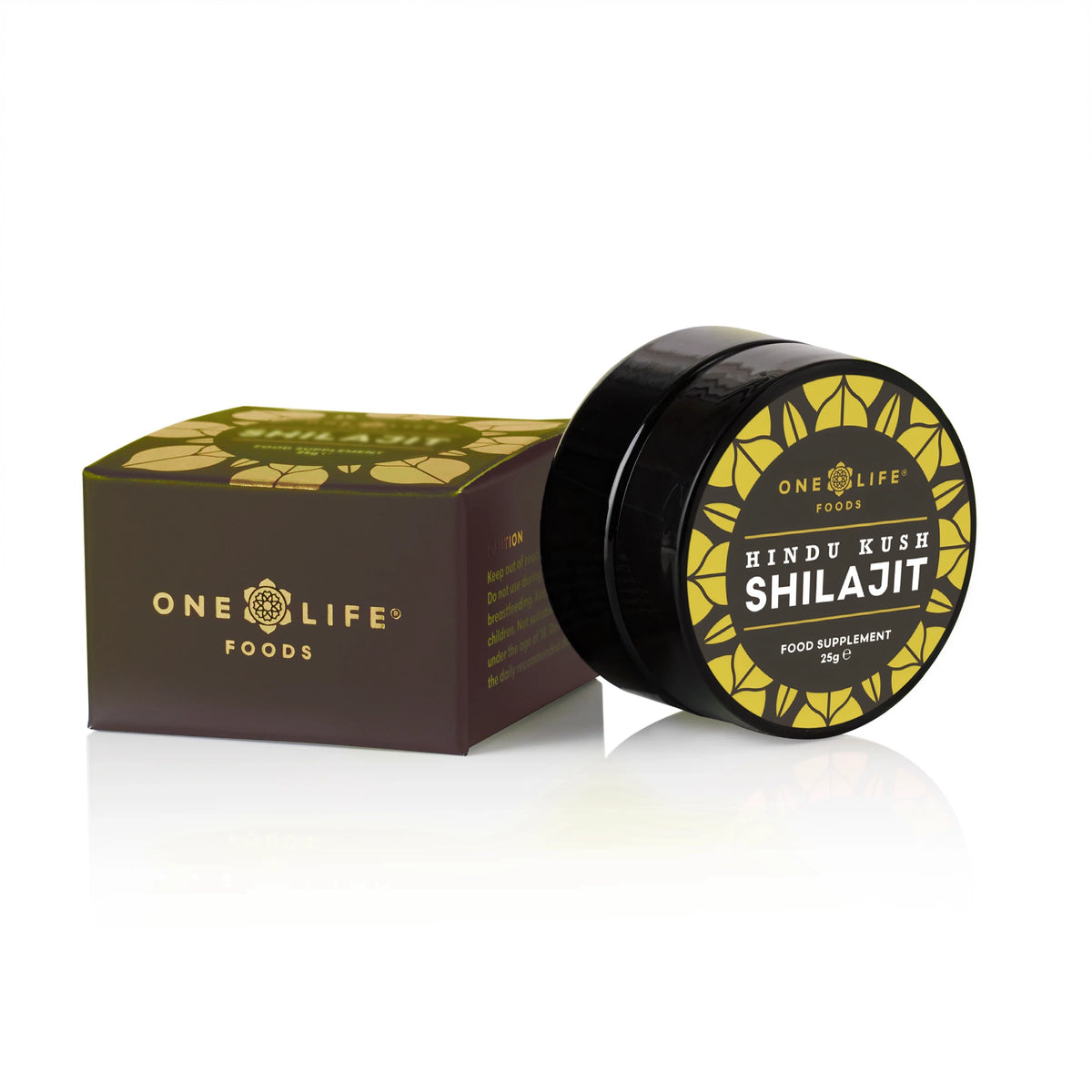
- Hindu Kush: High measured fulvic and humic acid concentrations, alongside the lowest measured mineral total in this comparison.
Is one Shilajit origin better than another?
Not necessarily. Higher fulvic acid percentages, greater mineral totals or a particular regional origin do not automatically establish superior quality, safety or effectiveness.
What matters is the complete composition, how the material has been processed and purified, and the relevant testing information available for the product.
For detailed laboratory methods, results and testing limitations, read How We Test Our Shilajit.
You can also explore our complete Shilajit origin guide.
What should you compare when buying Shilajit?
When choosing between Shilajit products, look at:
- Whether it's a resin, powder or blended product
- The complete ingredient list
- The claimed country or region of origin
- The recommended serving
- How the product has been purified
- What testing information is available
- Whether concentration or composition is explained clearly
- Whether batches are assessed against documented quality and safety criteria
- Whether the claims are sensible and properly supported
A brand doesn't need to reveal its supplier, collector, pricing or commercially sensitive supply-chain information.
What matters is that it maintains suitable internal records, can support its origin claims and connects the finished product with relevant batch, production and testing information.
What is Shilajit?
Shilajit is a complex natural material formed over long periods in mountainous environments. It contains a mixture of organic compounds and naturally occurring elements rather than one isolated active ingredient.
Its composition can vary between sources and batches, so different Shilajit products shouldn't automatically be treated as identical.
Read our guide to what Shilajit is, how it forms and what it contains for a fuller introduction.
Choosing the right Shilajit format
Shilajit is available in several formats, including resin, powder, liquid products, capsules, gummies and blends.
No format is automatically better simply because it looks more traditional or requires less preparation.
The more useful questions are:
- What does the product contain?
- How concentrated is it?
- Have other ingredients been added?
- How has it been processed?
- Has the finished product been appropriately tested?
Read our comparison of Shilajit resin, liquid, powder, capsules and gummies.
Learn more before choosing
Not sure where to begin?
- Read how to choose high-quality Shilajit
- Learn how Shilajit testing actually works
- Explore the complete Shilajit Guide





Build your Shilajit bundle
FAQs
Is all Shilajit the same?
No. Composition can vary depending on the region, altitude, and environmental conditions where it is formed.
What is the difference between resin and powder?
Resin is the least processed form, maintaining the natural structure of the material, while powders are typically more processed.
Can Shilajit be taken daily?
It is typically used as part of a consistent routine, often in small amounts over time.
How do I choose between different types?
Choice is usually based on preference for origin, format, and overall routine, as each region offers slightly different characteristics.
How long does it take to notice effects?
Shilajit is typically used as part of a consistent routine rather than for immediate effects. Most people notice gradual changes over time, particularly in energy, recovery, and overall vitality when used regularly.
Consistency tends to matter more than high dosing.
How can I tell if Shilajit is high quality?
Quality depends on sourcing, purification, and how the material is handled. Authentic Shilajit should be properly purified, tested, and retain its natural composition, which can vary depending on origin.
Lower-quality products are often over-processed, diluted, or lack transparency, which can affect their overall integrity.
Where can I buy high-quality Shilajit in the UK?
If you’re looking for Shilajit in the UK, the key factors to focus on are sourcing, purification, and proper testing rather than origin labels or headline claims. This collection brings together our full resin range, selected for consistency, composition, and transparent standards.