


Learn
“50% Fulvic Acid”: 50% of What? How to Compare Shilajit Lab Results Properly
A Shilajit laboratory report can be technically correct and still give consumers the wrong impression. A claimed 50% fulvic acid doesn't necessarily mean 50% of the resin in the jar. We explain dry-basis versus as-is results, why testing methods matter, and why we believe as-is reporting is the more transparent approach.
Read moreabout “50% Fulvic Acid”: 50% of What? How to Compare Shilajit Lab Results Properly
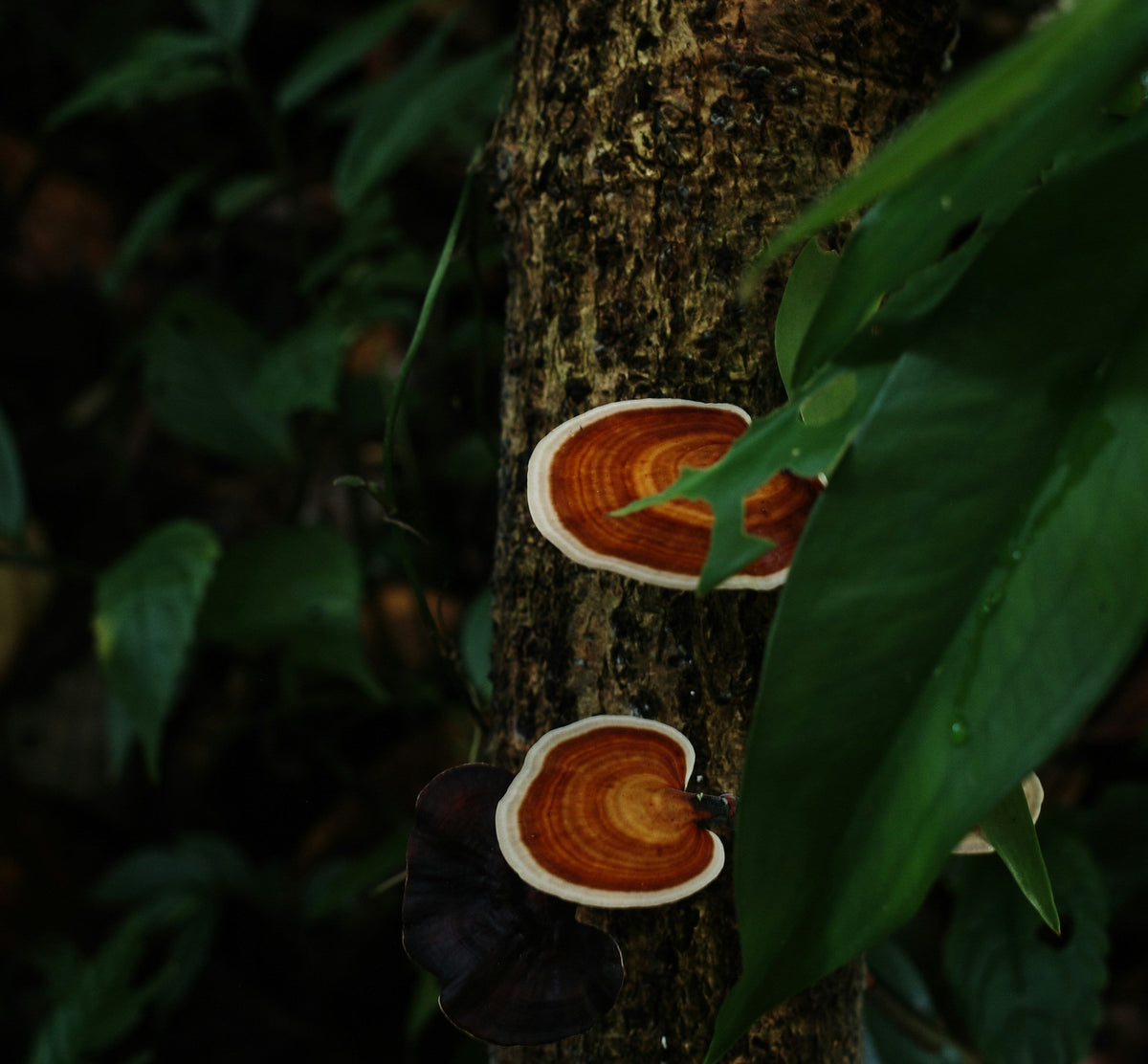
Reishi Mushroom: Fruiting Body, Extracts, Ganoderic Acids & What Quality Really Means
Reishi is much more complicated than a red mushroom and an extraction ratio. We look at fruiting body, Ganoderma taxonomy, beta-glucans, ganoderic acids, extraction and what the research and testing can actually tell us.
Read moreabout Reishi Mushroom: Fruiting Body, Extracts, Ganoderic Acids & What Quality Really Means
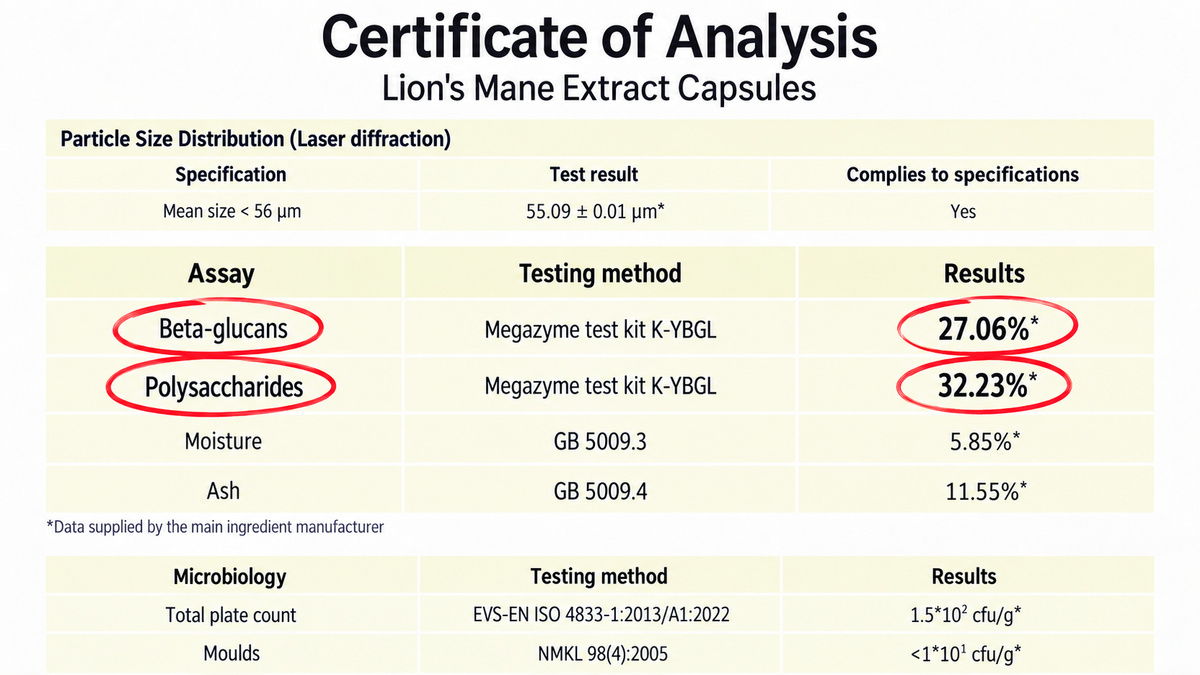
Beta-Glucans vs Polysaccharides: What Do Mushroom Supplement Numbers Really Mean?
Beta-glucans, polysaccharides, alpha-glucans and starch can all appear when comparing mushroom supplements. Here’s what those numbers actually mean, why testing method matters, and why one percentage can’t tell the whole quality story.
Read moreabout Beta-Glucans vs Polysaccharides: What Do Mushroom Supplement Numbers Really Mean?
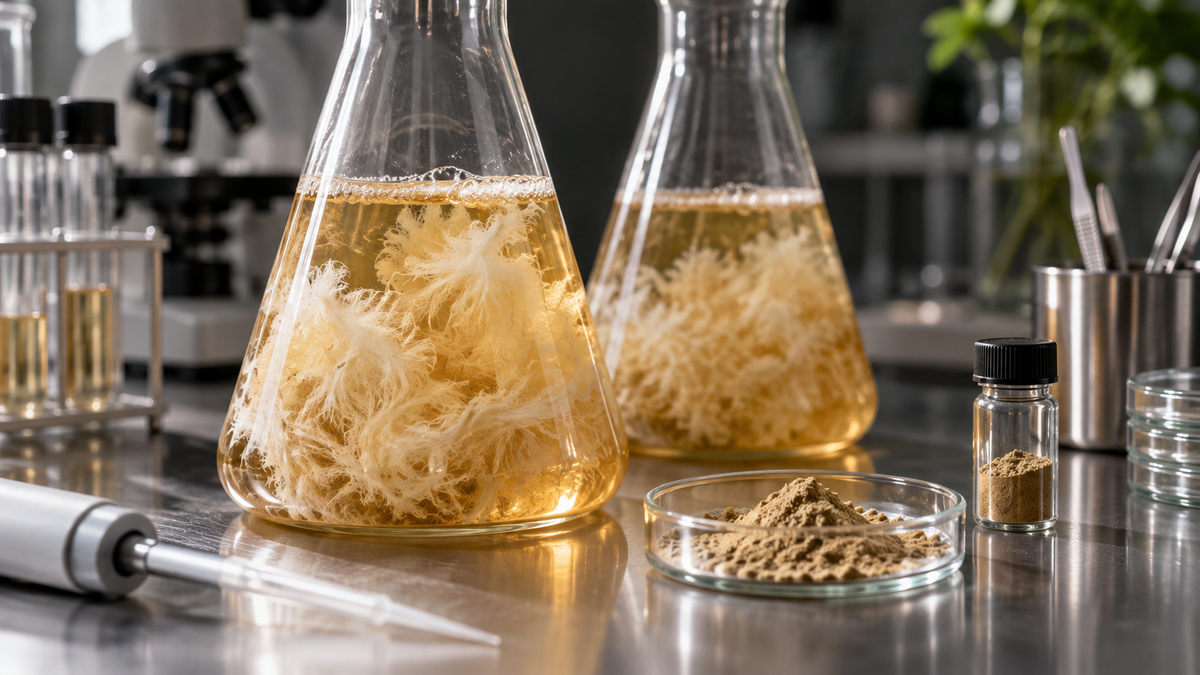
Cordyceps CS-4 Explained: Mycelium, Cultivation, Extraction & Identity
Cordyceps CS-4 isn’t a wild caterpillar fungus or a conventional fruiting-body supplement. We explain cultured mycelium, liquid fermentation, modern taxonomy, extraction, compounds and what to look for when choosing a CS-4 product.
Read moreabout Cordyceps CS-4 Explained: Mycelium, Cultivation, Extraction & Identity
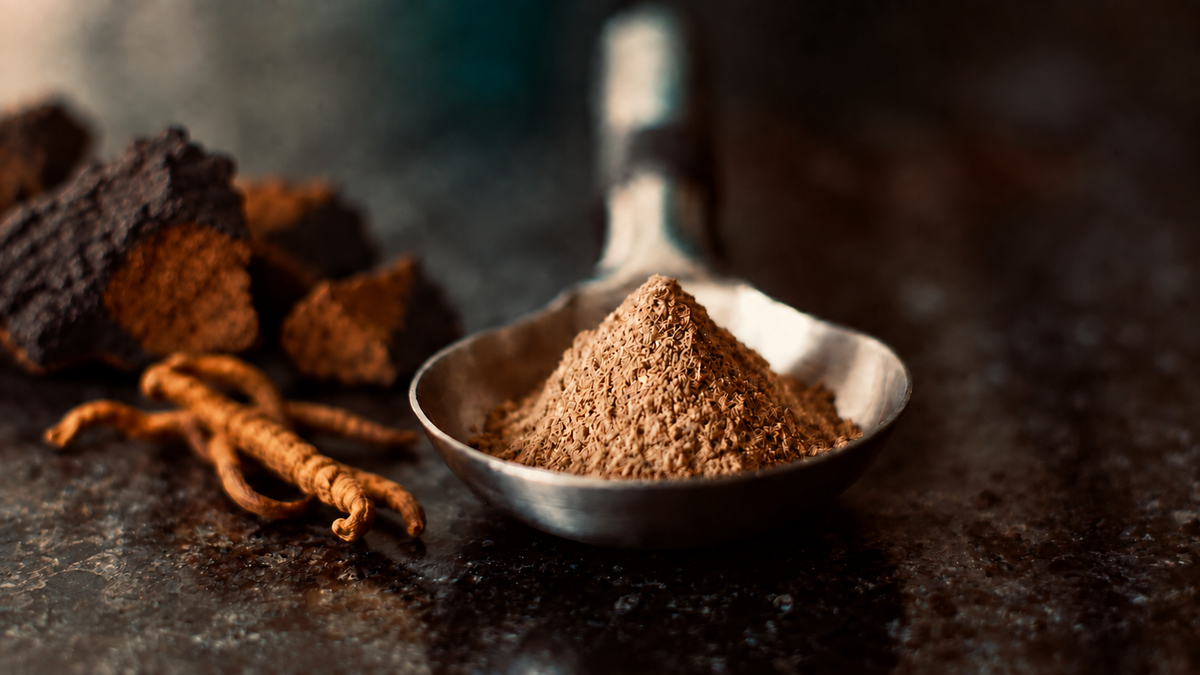
What Does 10:1, 15:1 or 8:1 Mushroom Extract Actually Mean?
A 15:1 mushroom extract sounds more impressive than an 8:1, but does the bigger number actually mean a better product? We explain what extraction ratios measure, what they don't tell you, and why the finished extract matters more than the headline number.
Read moreabout What Does 10:1, 15:1 or 8:1 Mushroom Extract Actually Mean?