


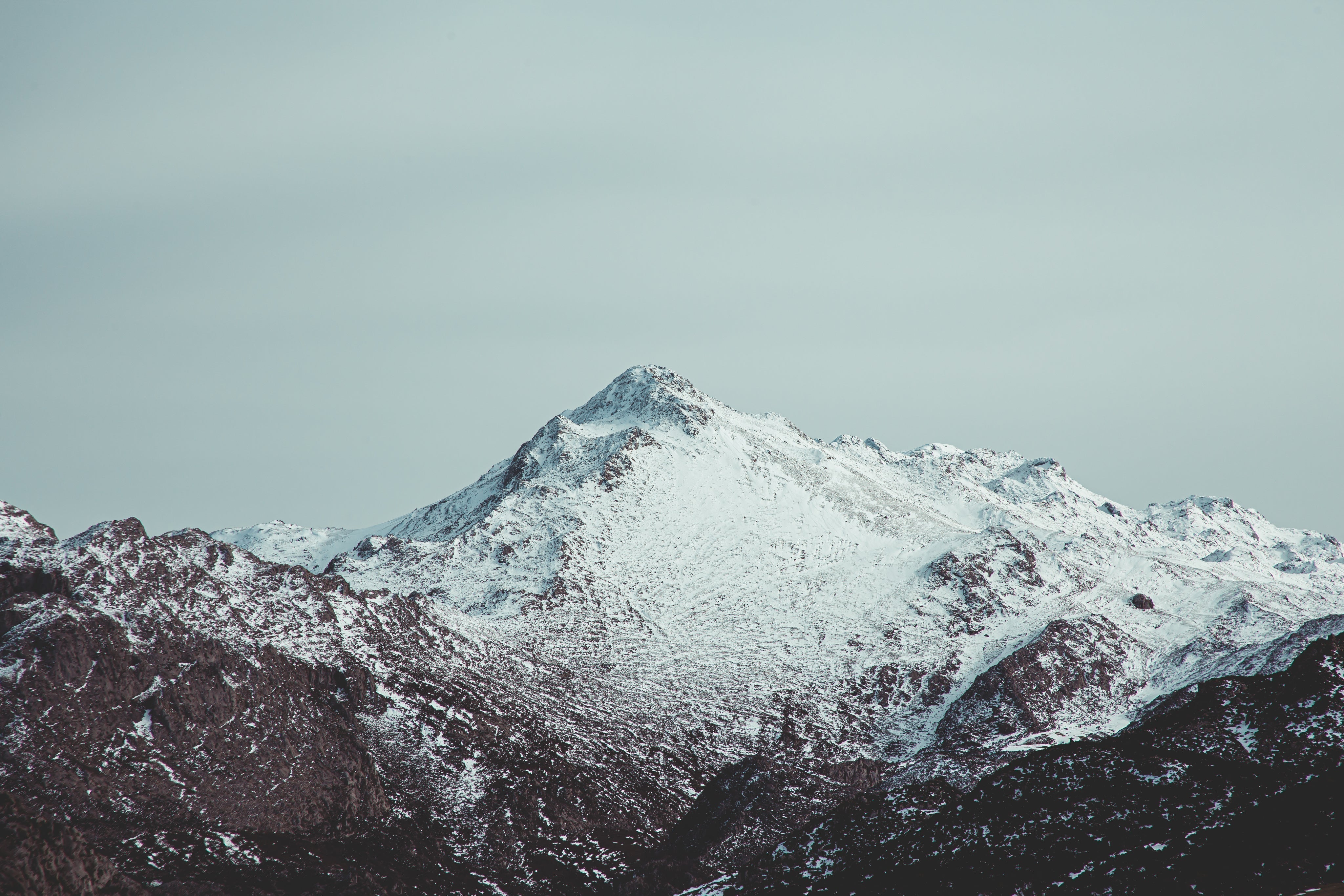
Shilajit is not one uniform substance.
Different regions produce resins with distinct mineral profiles, compositions, textures and overall character. Siberian Altai, Mongolian Altai, Kashmiri, Hunza and Hindu Kush each bring something different to the table.
If you're trying to decide which Shilajit is best, the answer is simple. There's no single best option, only the one that best suits your preferences. This is especially relevant given how often certain origins are positioned as inherently superior, despite the reality being considerably more nuanced.
At One Life Foods, we approach Shilajit in much the same way people approach fine wine or whisky.
Origin matters. Environment matters. And over time, those factors shape something with its own character.
The difference is that with Shilajit, we can also examine the laboratory results.
Understanding the Differences Between Shilajit Types
Shilajit varies based on several key factors:
-
Geographical origin, often oversimplified into altitude claims
-
Mineral and elemental composition
-
Measured fulvic and humic acid fractions
-
Environmental conditions and geological history
-
Purification and processing methods
These influence not just the chemistry, but also the texture, aroma, taste and overall character of the finished resin.
Two resins can have similar laboratory results yet look and taste quite different.
Equally, two products sold under the same broad regional name can have different compositions.
The origin matters.
But so does the individual product.
Shilajit Types Explained
Quick Comparison
| Origin | Character | Distinctive Feature |
|---|---|---|
| Siberian Altai | Balanced, mineral-led | Broadest testing coverage and highest measured elemental total in our range |
| Mongolian Altai | Smooth, earthy and rounded | Strong measured fulvic and humic fractions |
| Kashmiri | Deep, smoky and astringent | Pronounced sensory character and substantial elemental profile |
| Hunza | Lighter and refined | Highest measured fulvic acid percentage |
| Hindu Kush | Firm, pungent and smoky | Highest measured humic acid percentage |
This is a comparison of the resins we stock, not a claim that every Shilajit from these regions will share exactly the same characteristics.
Siberian Altai Shilajit
Clean, steady and mineral-driven.
Our Siberian Altai resin has a broad elemental profile and the most extensive analytical screening currently available across our five origins.
Its measured elemental total is 11.11%, the highest in our range, although the number of elements analysed and quantified differs between products.
The overall character is balanced rather than overpowering.
It is a natural starting point for those who want a traditional resin with detailed testing behind it.
Best suited for:
-
Those new to Shilajit
-
Customers who value extensive laboratory characterisation
-
Those who prefer a balanced, mineral-led resin
Explore our Pure Siberian Altai Shilajit Resin.
Mongolian Altai Shilajit
Balanced, smooth and versatile.
Mongolian Altai has a rounded, earthy character and a particularly interesting measured composition.
Our September 2026 laboratory analysis returned 51.93% fulvic acids and 10.19% humic acids.
That gives it substantial measured fractions of both, without reducing the product to a single headline number.
Its comparatively smooth character also makes it an appealing option for people who prefer a less pronounced resin.
Best suited for:
-
Those wanting a rounded, earthy profile
-
Customers interested in both fulvic and humic composition
-
Simple, consistent daily routines
Explore our Pure Mongolian Altai Shilajit Resin.
Kashmiri Shilajit
Deeper, darker and more distinctive.
This is one of the most pronounced resins in our range.
Its smoky aroma, astringent taste and substantial elemental profile give it a character that stands apart from the smoother Altai and Hunza varieties.
Our Kashmiri resin comes from the Pir Panjal region, with measured fulvic acids of 41.84% and humic acids of 7.08%.
Its elemental total is 10.08%, second highest among the results reported for our five origins.
It's not necessarily the easiest resin for someone who prefers a mild taste.
But if you appreciate a more assertive character, that may be precisely the appeal.
Best suited for:
-
Those who prefer a stronger sensory character
-
Customers interested in substantial elemental composition
-
People who enjoy a darker, more astringent resin
Explore our Pure Kashmiri Shilajit Resin.
Hunza Shilajit
Lighter, cleaner and more refined.
Sourced from the Karakoram region, Hunza has a comparatively restrained sensory character.
It also has the highest measured fulvic acid result in our current range: 64.13%.
Its humic acid result, however, is only 1.16%.
That contrast is interesting. It demonstrates why looking at fulvic acid alone doesn't tell you everything about the finished resin.
Hunza may be the most appealing option if a high measured fulvic fraction is your priority, or if you prefer a lighter resin character.
Best suited for:
-
Those interested in the highest measured fulvic fraction in our range
-
Customers preferring a more refined sensory profile
-
Simple daily use
Explore our Pure Hunza Shilajit Resin.
Hindu Kush Shilajit
Firm, smoky and unmistakably distinctive.
Our Hindu Kush resin comes from the Chitral region and has a character of its own.
Firm and sometimes brittle when cool, it carries a pungent, smoky and slightly grassy aroma.
The composition is just as distinctive.
Laboratory analysis returned 59.53% fulvic acids and 10.40% humic acids — the highest humic acid result in our current range.
At the same time, its measured elemental total is only 0.80%, the lowest of the five.
That makes Hindu Kush an interesting contrast to the more mineral-led Siberian Altai and Kashmiri resins.
A different composition. A different character.
Best suited for:
-
Those who prefer a firm resin with a pronounced aroma
-
Customers interested in a high measured humic acid fraction
-
People exploring the differences between mountain origins
Explore our Pure Hindu Kush Shilajit Resin.
Functional Shilajit Blends
Alongside pure resins, there are also blended options designed around more specific ingredient combinations.
These pair Shilajit with other compounds or botanical extracts, providing a different approach from taking pure resin on its own.
Shilajit and Lion’s Mane
A combination often chosen by people interested in cognitive-focused supplement routines.
Common areas of interest include:
-
Focus
-
Clarity
-
Mental performance
The important consideration is the quality and amount of each ingredient, rather than the combination sounding impressive on a label.
Shilajit and Cordyceps
A combination commonly associated with performance-focused routines.
Often considered for:
-
Training routines
-
Endurance-focused supplementation
-
Those interested in functional mushrooms
As with any blend, the formulation and actual ingredient quantities matter.
Shilajit and Ashwagandha
A pairing often chosen by people interested in broader wellbeing and recovery-focused routines.
Common areas of interest include:
-
Stress-related routines
-
Recovery
-
General wellbeing
Combining two ingredients doesn't automatically make the resulting product more effective. It needs to be a sensible formulation in its own right.
How to Choose the Right Shilajit
There is no single best Shilajit.
The right choice depends on what you value most: sensory character, measured composition, origin, testing coverage or simply personal preference.
If you want a more structured way to assess quality alongside origin, our Shilajit Buying Guide puts those considerations into context.
-
Choose Siberian Altai if you want a balanced, mineral-led resin with our broadest testing coverage.
-
Choose Mongolian Altai if you prefer a smoother, earthier character with substantial measured fulvic and humic fractions.
-
Choose Kashmiri if you appreciate a darker, smokier and more astringent resin.
-
Choose Hunza if you want our highest measured fulvic acid percentage and a lighter sensory profile.
-
Choose Hindu Kush if you prefer a firmer, more pungent resin with our highest measured humic acid percentage.
If you're unsure, Siberian Altai or Mongolian Altai are reasonable starting points.
Not because they're universally better.
Because their relatively balanced sensory profiles make them accessible choices for comparing the range.
You can always explore a different origin later.
To see the products together, visit our Shilajit resin collection.
Why Composition Matters More Than a Single Number
Shilajit is often reduced to one metric, usually fulvic acid percentage.
While that figure is useful when the analytical method is identified, it is only one part of the picture.
Shilajit contains a complex mixture of:
-
Fulvic and humic substances
-
Mineral elements
-
Other naturally occurring organic compounds
Different origins and processing methods produce different results.
Here is how our five resins compare using their published laboratory analyses.
Measured Composition Across Our Five Shilajit Origins
| Origin | Fulvic Acids | Humic Acids | Measured Elemental Total |
|---|---|---|---|
| Siberian Altai | 41.19% | 5.80% | 11.11% |
| Mongolian Altai | 51.93% | 10.19% | 8.25% |
| Kashmiri | 41.84% | 7.08% | 10.08% |
| Hunza | 64.13% | 1.16% | 2.16% |
| Hindu Kush | 59.53% | 10.40% | 0.80% |
The fulvic and humic results were obtained using ISO 19822:2018.
The elemental totals represent the sum of numerically quantified elements in the relevant laboratory analyses. They are not measures of nutritional value, and the analytical panels and sample dates differ between origins.
That's an important distinction.
Siberian Altai has the highest measured elemental total, but also the broadest elemental characterisation.
Hunza has the highest measured fulvic acid percentage, yet the lowest humic acid result.
Hindu Kush has the highest measured humic acid percentage, alongside the lowest elemental total.
None of those observations proves that one resin is more effective than another.
They show that the products really are different.
And that is considerably more useful than declaring one origin the winner because it has the largest number printed on the label.
More important considerations include:
-
The measured balance between fulvic and humic fractions
-
The elemental profile and scope of the laboratory analysis
-
The origin and integrity of the source material
-
How the resin has been purified and processed
-
Whether the product has been screened for relevant contaminants
A high fulvic acid figure is not a substitute for proper testing.
Nor is a large mineral total proof of a better product.
For the underlying certificates, methods and reporting dates, see How We Test Our Shilajit.
What Is the Best Type of Shilajit?
There is no universal best.
If you're judging by measured fulvic acid percentage alone, Hunza comes out highest in our range.
If humic acid percentage is your priority, Hindu Kush has the highest reported result.
If you want the highest measured elemental total and our most extensive screening coverage, Siberian Altai stands apart.
Mongolian offers a rounded composition and sensory character, while Kashmiri is more pronounced in taste and aroma.
But a laboratory percentage cannot tell you which one you'll prefer.
The best choice is the resin whose origin, composition, testing and character make sense to you.
The Bottom Line
Each Shilajit resin has its own character.
None should be declared universally better or worse simply because it comes from a particular mountain range or has a higher reported percentage.
Some are more mineral-led. Some have higher measured fulvic or humic fractions. Some are smoother, while others are smoky, pungent or distinctly astringent.
That variety is part of what makes regional Shilajit interesting.
The goal is not to chase a mythical best origin.
It is to understand what you're buying, examine the evidence and find the resin you prefer.
Still Not Sure?
If you're unsure where to start, keep it simple.
Siberian Altai and Mongolian Altai are good starting points for those who prefer a more balanced sensory character.
For something more pronounced, explore Kashmiri or Hindu Kush.
If high measured fulvic acid content and a comparatively refined profile appeal to you, Hunza is worth considering.
And if a pure resin isn't what you're looking for, a Shilajit blend may be more convenient, provided the ingredients and quantities make sense.
Explore the full One Life Foods Shilajit range, or use our Shilajit Guide to compare the five origins and their published laboratory results in more detail.
Written By
Written by Chris Simon, Founder of One Life Foods.
Chris has worked in the supplement industry since 2009 and is known for seeking out exceptional ingredients, products, and formulations. Read more about Chris and the story behind One Life Foods.

Share:
Fulvic Acid in Shilajit: Which Test Can You Trust?
Is Himalayan Shilajit Really the Best? A More Honest Look at Source and Supply