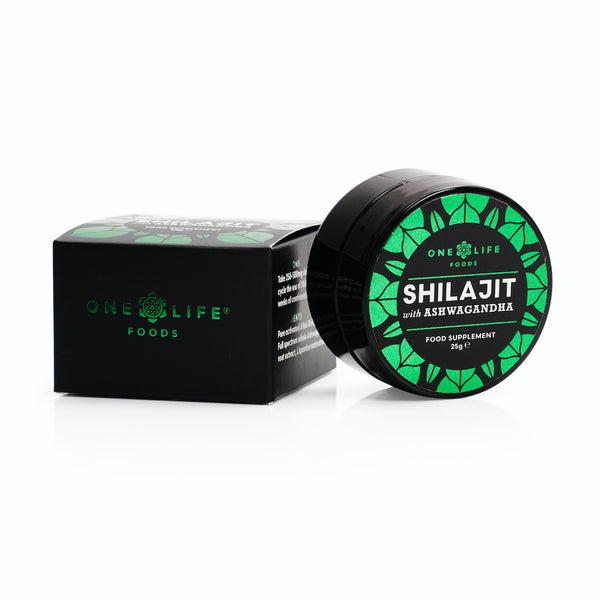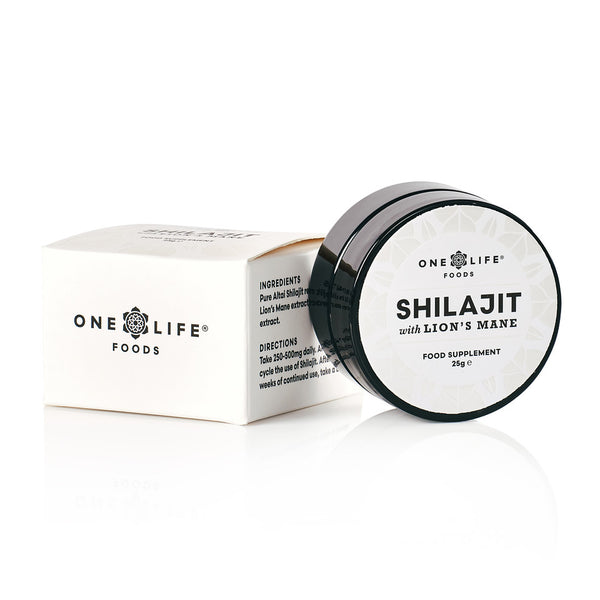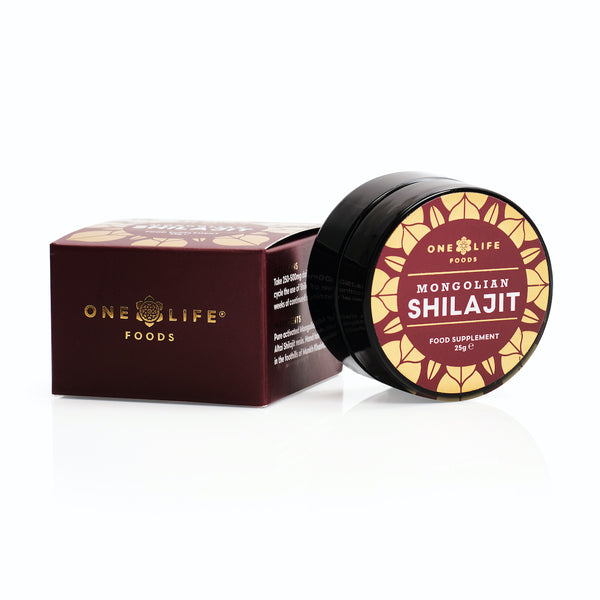
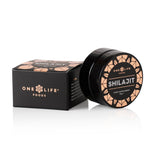

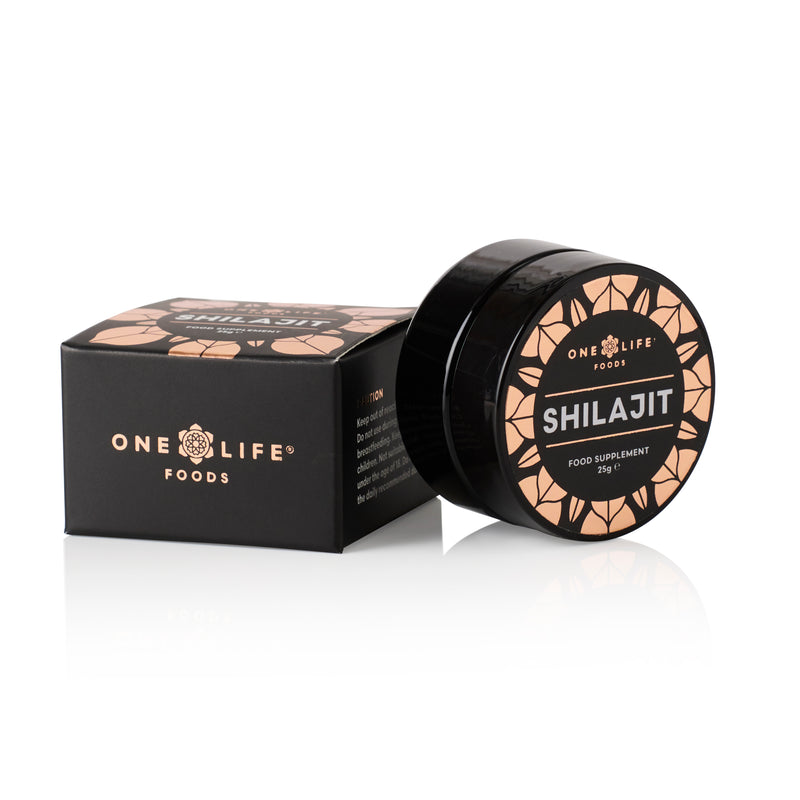







Pure Altai Shilajit Resin 25g
Pure Altai shilajit. Nothing diluted. Nothing unnecessary.
Sourced from the Altai Mountains, naturally rich in fulvic compounds and trace minerals. Resin-based and carefully purified.
Not all shilajit is the same.
Altai is known for a clean, balanced mineral profile.
Premium Altai Shilajit Resin
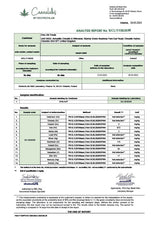
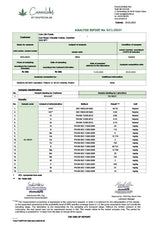
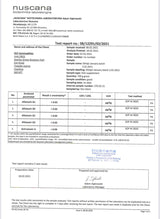
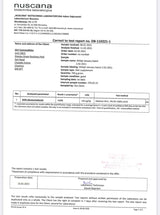
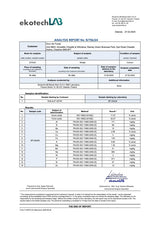
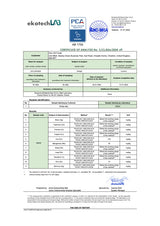
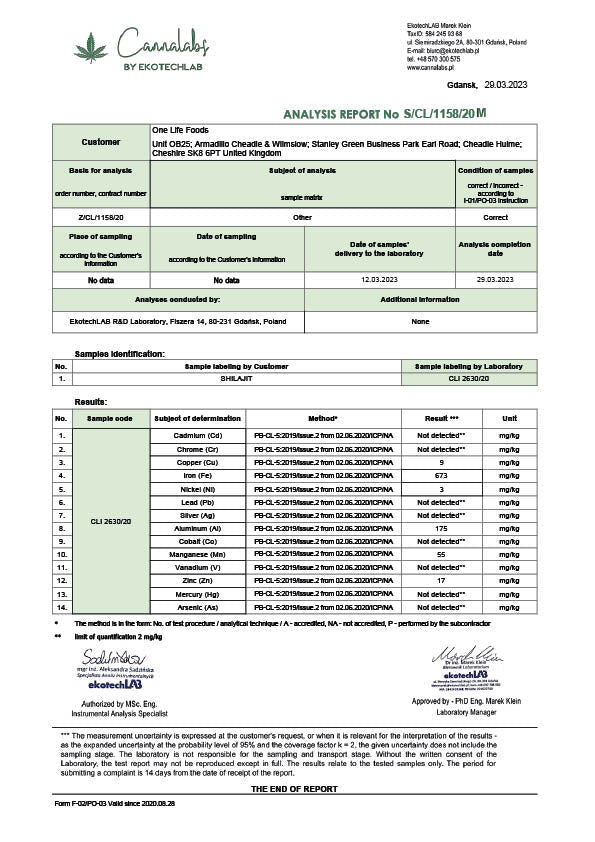
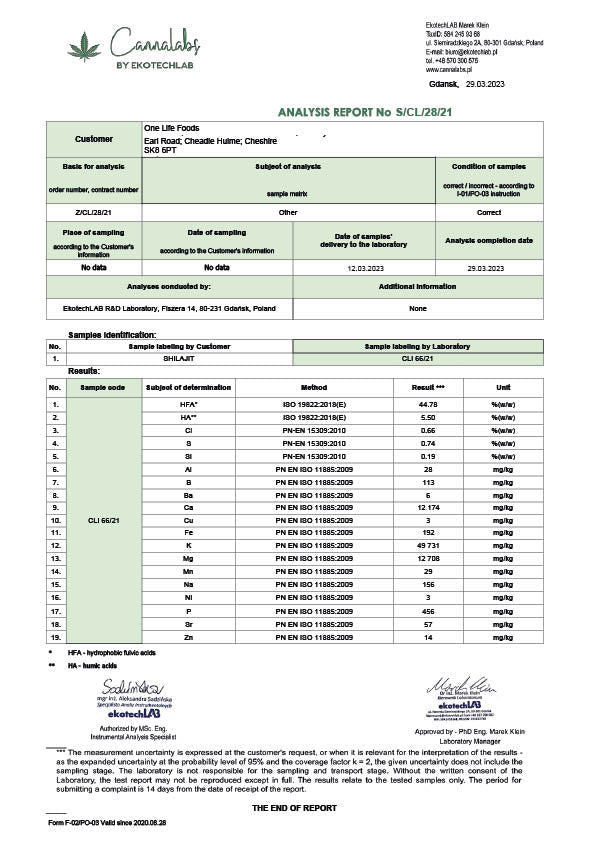
Shilajit analysed using IHSS-aligned methods with a clean, mineral-rich profile.
A full-spectrum premium-grade Shilajit resin sourced from the Altai Mountains, naturally rich in fulvic acid and a broad spectrum of trace minerals.
Formed through the gradual breakdown of plant matter, it provides a complex natural matrix of organic compounds.
This is a true resin, not a powder or extract, analysed using IHSS-aligned methods to ensure accurate composition rather than inflated figures.
Ideal for those looking to buy authentic Shilajit in the UK, with fast domestic delivery and full transparency.
Selected with a focus on compositional integrity, not marketing-driven metrics.
Supplied as a raw resin with no fillers, carriers, or processing agents.
Potential Benefits of Shilajit Resin
Shilajit has been traditionally used in various systems for its broad-spectrum composition and role in supporting overall wellbeing.
It is commonly associated with:
- Supporting energy and daily vitality
- Contribution to mineral intake
- Use within performance-focused routines
- General wellbeing and balance
Why This Shilajit
- IHSS-aligned analytical approach
- Focus on full mineral matrix, not isolated metrics
- Sourced from the Altai region
- Measured for accuracy and transparency, not inflated figures
Buying Shilajit Resin - What Matters
When choosing Shilajit, quality varies significantly.
Key considerations include:
- Resin vs powder or capsules
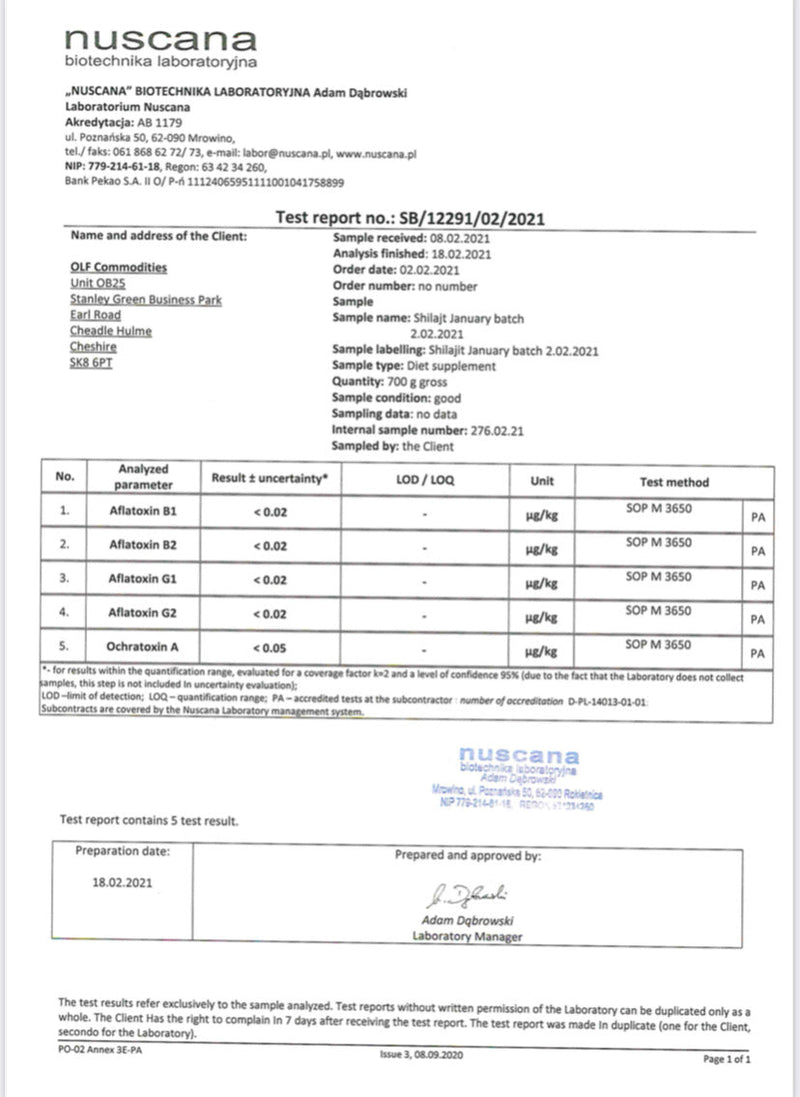
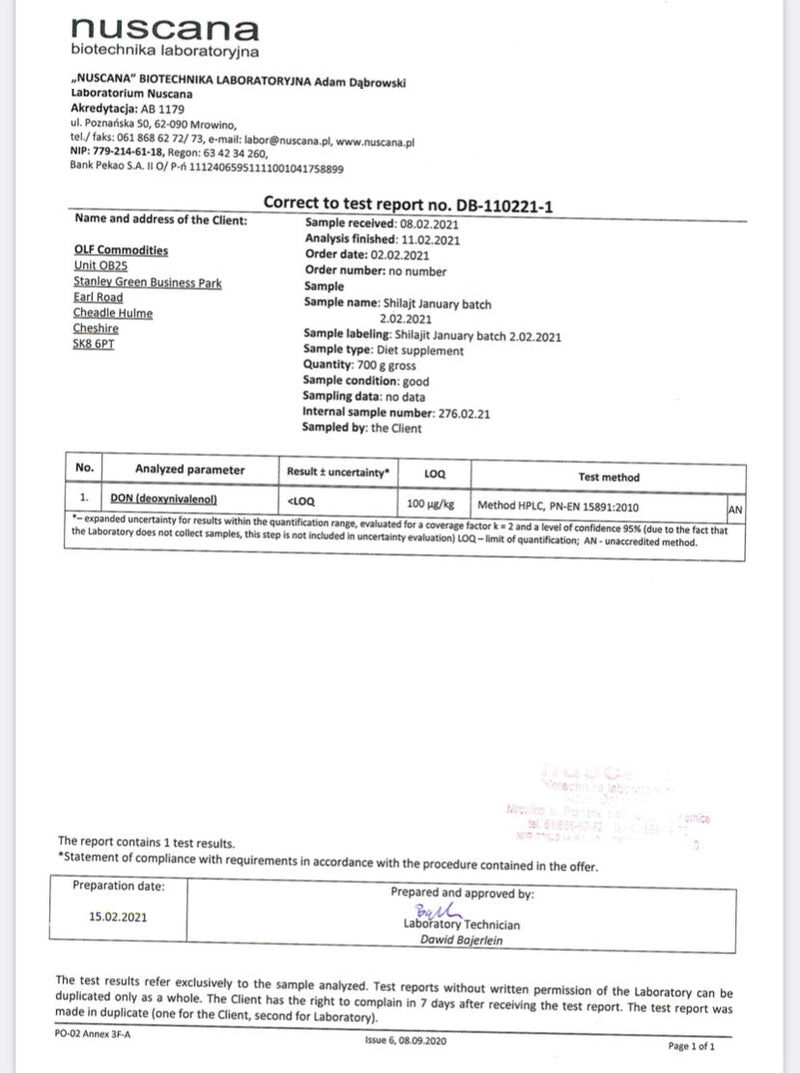
- Verified analytical methods
- Source region and environmental conditions
- Transparency of composition
This product is:
- Resin-based (not processed extract)
- Analysed using IHSS-aligned methods
- Sourced from the Altai region
- Supplied from within the UK
Traditional Use & Composition
Shilajit has been used in traditional systems for centuries and is valued for its naturally occurring mineral and organic composition.
It provides a combination of:
- Fulvic and humic substances
- Trace minerals in naturally occurring forms
- Organic compounds formed through long-term decomposition
It is typically used as part of a broader approach to general wellbeing and lifestyle support.
Composition & Structure
Shilajit is not a single compound but a naturally occurring matrix formed over time under specific environmental conditions.
This includes:
- Fulvic acid and related organic compounds
- Humic substances
- Trace minerals in ionic forms
- Dibenzo-alpha-pyrones and associated metabolites
The structure and interaction of these components define the material more than any single isolated value.
Compare this with our Kashmiri Shilajit, which has a deeper and more astringent profile.
Beyond Fulvic Acid
Shilajit is often reduced to a single metric, usually fulvic acid percentage. This is an oversimplification.
Its value lies in the interaction between its organic and mineral components, not in one isolated number.
A well-preserved matrix reflects:
- The balance between fulvic and humic substances
- The presence of naturally occurring minerals
- The integrity of the original material
Focusing solely on fulvic acid does not fully represent the composition.
Learn more about why fulvic acid percentages can be misleading in our detailed guide.
Analytical Standard
Fulvic acid content can vary significantly depending on how it is measured.
This product is analysed using methods aligned with the International Humic Substances Society (IHSS), widely regarded as the reference standard for distinguishing true fulvic and humic fractions.
IHSS-based analysis separates these components based on their molecular characteristics and chemical behaviour, rather than relying on simple solubility or colour-based methods.
Many commercially available products rely on simpler testing approaches, which can overestimate fulvic content by including non-specific soluble compounds.
IHSS analysis is less commonly used due to the need for specialised laboratory protocols, limited availability and higher cost. Few products on the market are analysed using IHSS-aligned methodologies.
This approach prioritises accurate composition and transparency over headline figures.
Why Altai Shilajit
The Altai region is known for producing clean, mineral-rich Shilajit due to its altitude and environmental conditions.
- High-altitude formation
- Reduced environmental contamination
- Naturally concentrated mineral profile
- Traditional harvesting practices
While altitude is often used as a marketing point, it does not by itself determine quality or composition. Learn more in our guide: The Altitude Myth in Shilajit.
Who It’s For
- Individuals looking for a high-quality, resin-based Shilajit, not powders or low-grade extracts
- Those who prioritise accurate composition and transparency over inflated marketing claims
- People incorporating Shilajit into a performance-focused or structured routine
- Those seeking a traditional, minimally processed form of Shilajit
How to Use Shilajit Resin
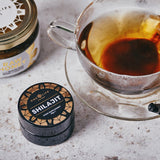
Shilajit resin is typically dissolved in warm water or milk and taken in small amounts.
Usage can vary depending on individual preference and routine. For full guidance, see our detailed directions guide.
FAQ
What is Shilajit resin?
Shilajit resin is a natural substance formed over time from the decomposition of plant matter in mountainous regions. It contains a complex matrix of organic compounds, including fulvic and humic substances, along with naturally occurring trace minerals.
What does Shilajit taste like?
Earthy and slightly bitter, characteristic of purified Shilajit resin.
How do you take Shilajit resin?
Shilajit resin is typically dissolved in warm water or milk and taken in small amounts. Its resin form allows for flexible dosing compared to fixed-dose capsules or powders.
How long should Shilajit be taken for?
Usage varies depending on individual preference. Some choose to use it continuously, while others cycle use as part of a broader routine.
Is Shilajit resin better than capsules or powder?
Resin is generally considered the most traditional and least processed form of Shilajit. It retains the full natural matrix of organic compounds and trace minerals.
In contrast, some powders and capsule products may be derived from processed materials or isolated fulvic fractions rather than true Shilajit resin. These forms may not provide the same balance of minerals and associated compounds that define naturally formed Shilajit.
Can Shilajit be combined with other supplements?
Yes, it is often used alongside other products as part of a broader routine. Learn more in our guide: What is Shilajit.
How should Shilajit be stored?
Store in a cool, dry place away from direct sunlight to maintain consistency and quality.
Important Information
Food supplements should not be used as a substitute for a varied, balanced diet and healthy lifestyle.
Pure Activated Shilajit Resin. Hand harvested and crafted by indigenous farming families in the Altai mountains of Siberia.
Take 250-500 mg daily. Always cycle the use of Shilajit. After 4-8 weeks of continued use, take a 4 weeks break.
Shilajit is best consumed by stirring into hot water/green tea or black coffee.
*The best way is to take a pea sized amount on a knife and stick it to the inside of a cup of green tea or black coffee. Stick it just below the water line and leave there for a couple of minutes, so it softens and begins to dissolve. Then, using the knife, gently rub back and forth against the side of the cup until it completely dissolves.
How to measure Shilajit:
100 mg = 1 rice grain
500 mg = 1 green pea
Not recommended if you're pregnant or breastfeeding.