


Learn

How We Test Mushroom Extracts: NMR, LC-MS and What the Results Actually Tell Us
“Lab tested” can mean almost anything unless you know what was actually tested. We explain NMR, LC-MS, chemical fingerprinting, compound profiling and why different analytical methods answer different questions about a mushroom extract.
Read moreabout How We Test Mushroom Extracts: NMR, LC-MS and What the Results Actually Tell Us
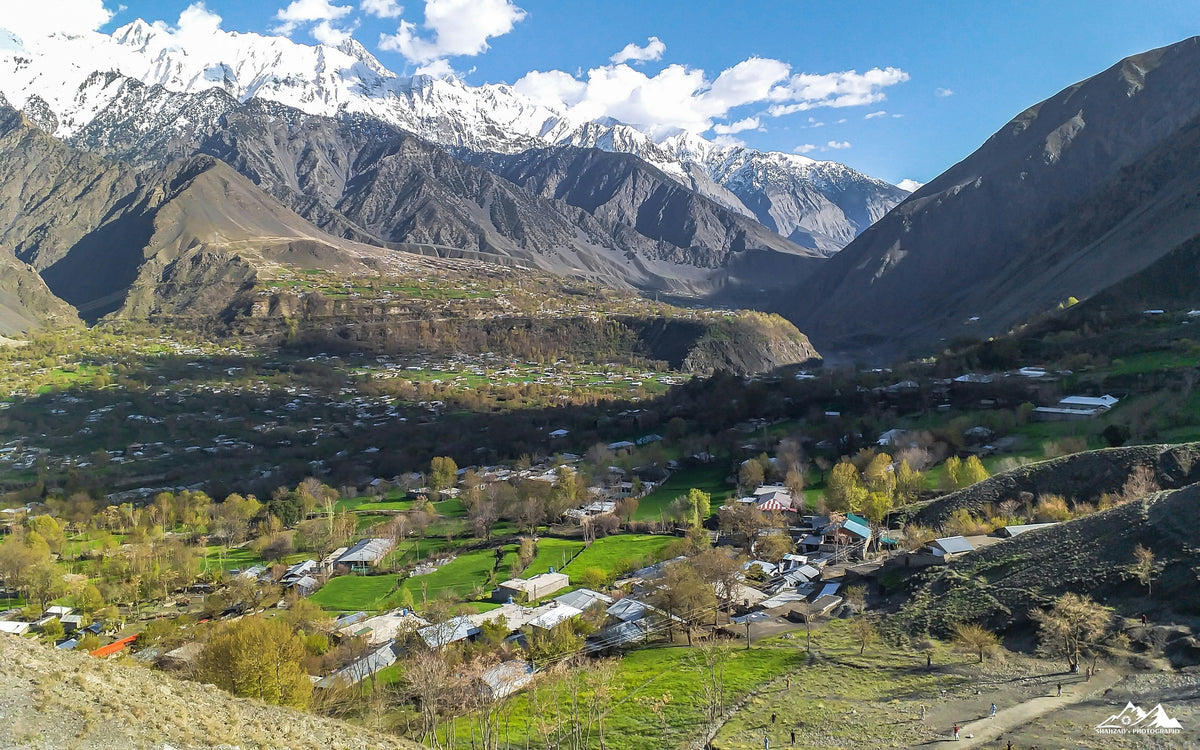
Hindu Kush Shilajit: History, Folklore and a Distinctive Mountain Resin
Hindu Kush Shilajit comes from a mountain region shaped by trade, mineral history and overlapping South Asian, Persian and Central Asian traditions. We look at what makes this origin distinctive, from the names Salajeet and Mumiyo to its stronger, more sulphurous aroma, while separating documented history from the folklore that's often repeated around Shilajit.
Read moreabout Hindu Kush Shilajit: History, Folklore and a Distinctive Mountain Resin
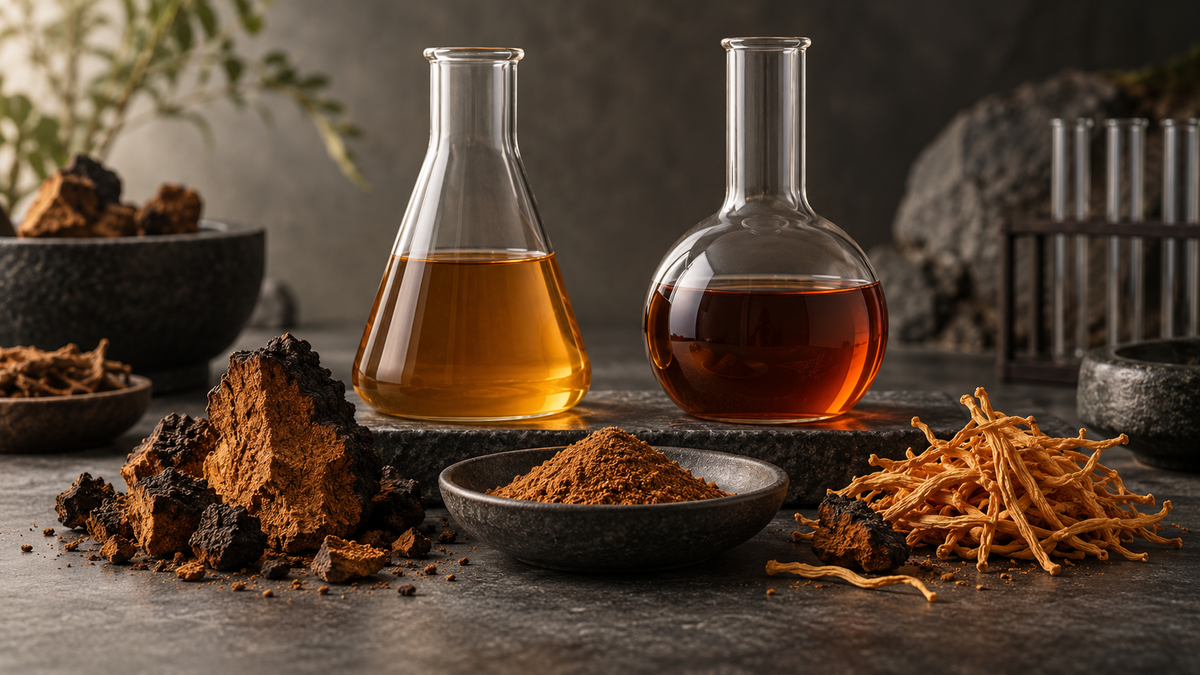
Hot Water vs Dual Extraction: Does Alcohol Make a Better Mushroom Extract?
Hot water and dual extraction are often treated as different quality grades, but the reality is more complicated. We explain what each process does, why alcohol can matter, and why the finished extract tells you more than the solvent name.
Read moreabout Hot Water vs Dual Extraction: Does Alcohol Make a Better Mushroom Extract?
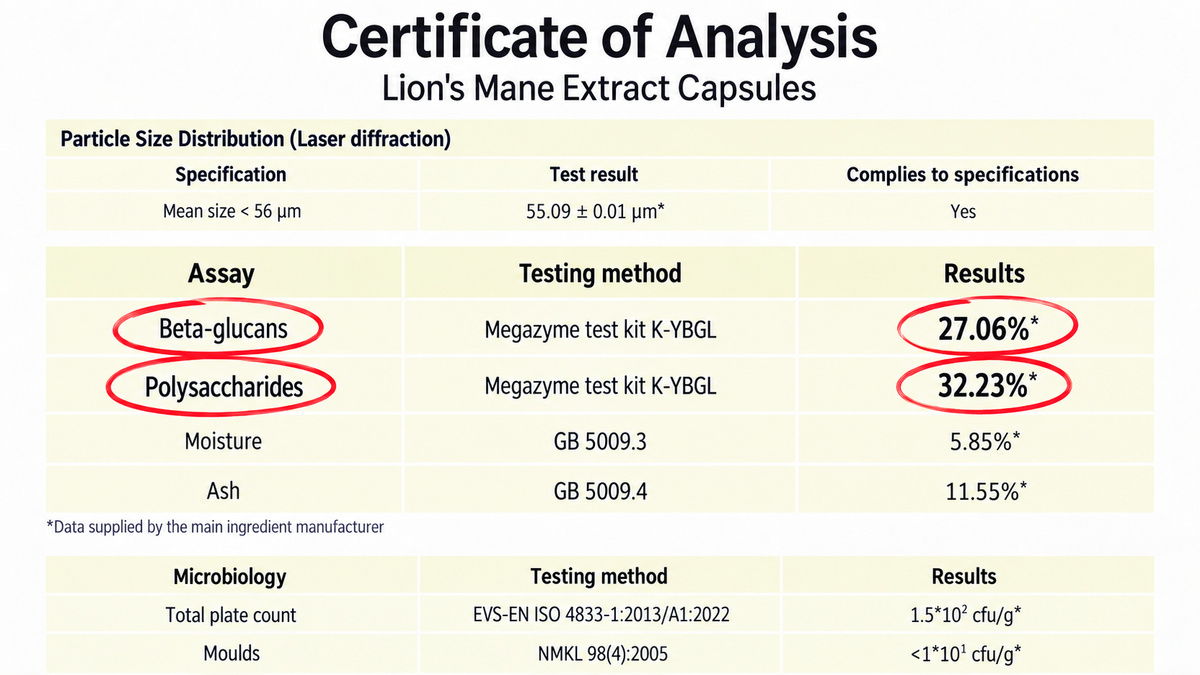
Beta-Glucans vs Polysaccharides: What Do Mushroom Supplement Numbers Really Mean?
Beta-glucans, polysaccharides, alpha-glucans and starch can all appear when comparing mushroom supplements. Here’s what those numbers actually mean, why testing method matters, and why one percentage can’t tell the whole quality story.
Read moreabout Beta-Glucans vs Polysaccharides: What Do Mushroom Supplement Numbers Really Mean?
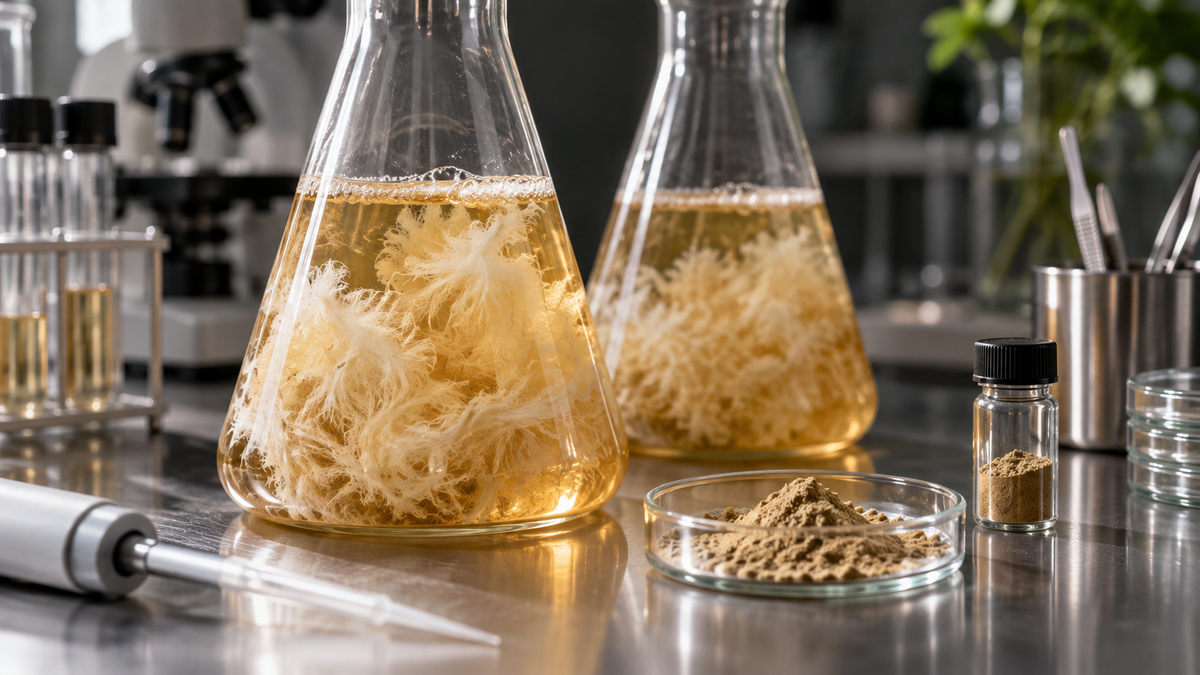
Cordyceps CS-4 Explained: Mycelium, Cultivation, Extraction & Identity
Cordyceps CS-4 isn’t a wild caterpillar fungus or a conventional fruiting-body supplement. We explain cultured mycelium, liquid fermentation, modern taxonomy, extraction, compounds and what to look for when choosing a CS-4 product.
Read moreabout Cordyceps CS-4 Explained: Mycelium, Cultivation, Extraction & Identity
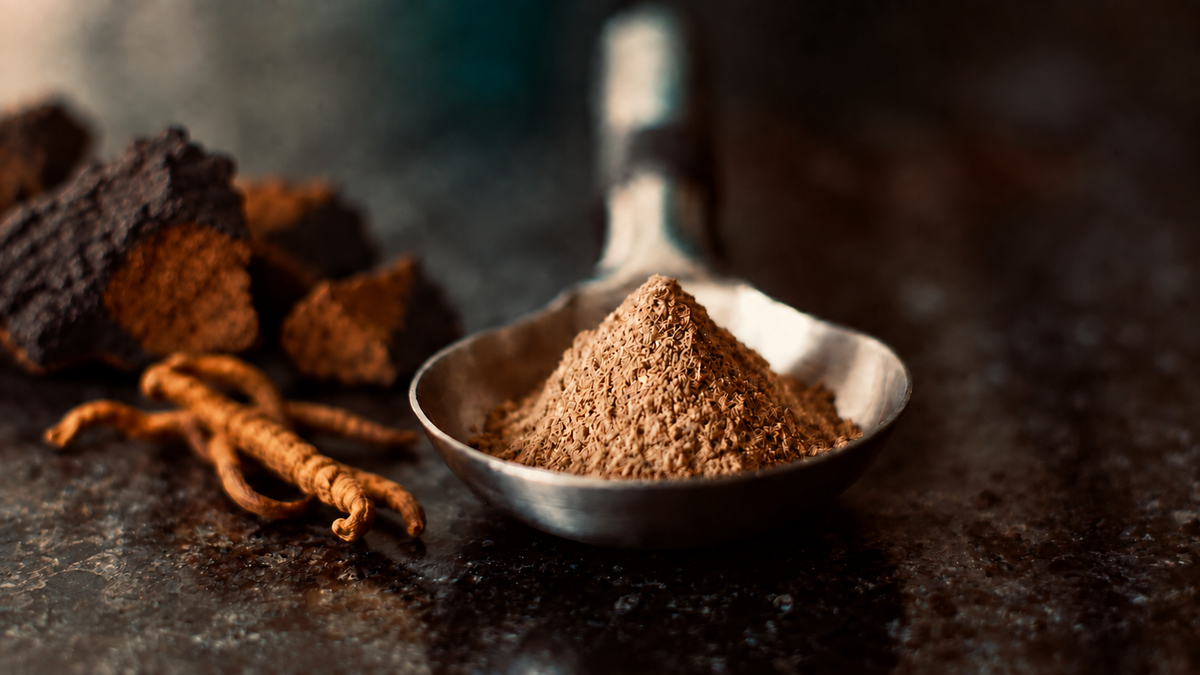
What Does 10:1, 15:1 or 8:1 Mushroom Extract Actually Mean?
A 15:1 mushroom extract sounds more impressive than an 8:1, but does the bigger number actually mean a better product? We explain what extraction ratios measure, what they don't tell you, and why the finished extract matters more than the headline number.
Read moreabout What Does 10:1, 15:1 or 8:1 Mushroom Extract Actually Mean?