


Learn

How Was Shilajit Traditionally Purified? Triphala, Fire, Sunlight and Ayurvedic Shodhana
Traditional Shilajit purification wasn’t simply a matter of rinsing mountain resin through a cloth. Ayurvedic shodhana could involve water, Triphala decoction, herbal juices, milk, fermented liquids, sunlight and vigorous heating over fire. These methods could remove debris, but they could also transform the finished product.

How Much Shilajit Is Actually in Your Shilajit?
A 30 gram jar contains 30 grams of product, but that doesn’t necessarily mean it contains 30 grams of Shilajit dry matter. Here’s how concentration, water and serving size affect what you’re actually buying.
Read moreabout How Much Shilajit Is Actually in Your Shilajit?

Does Shilajit Contain Vitamins? What's True, What's Unproven and What's Marketing
Shilajit is often described as a natural source of vitamins, minerals and other nutrients. The minerals can be measured. The vitamin claim is far less certain. Here is what the chemistry actually shows.
Read moreabout Does Shilajit Contain Vitamins? What's True, What's Unproven and What's Marketing
Full Spectrum vs Isolate Supplements: Why One High Active Compound Doesn’t Tell the Whole Story
Full spectrum does not simply mean better, and high active percentage does not always mean more effective. This guide explains marker compounds, natural matrices, extracts, isolates, black seed oil, shilajit and why the biggest number on the label is not always the smartest one.
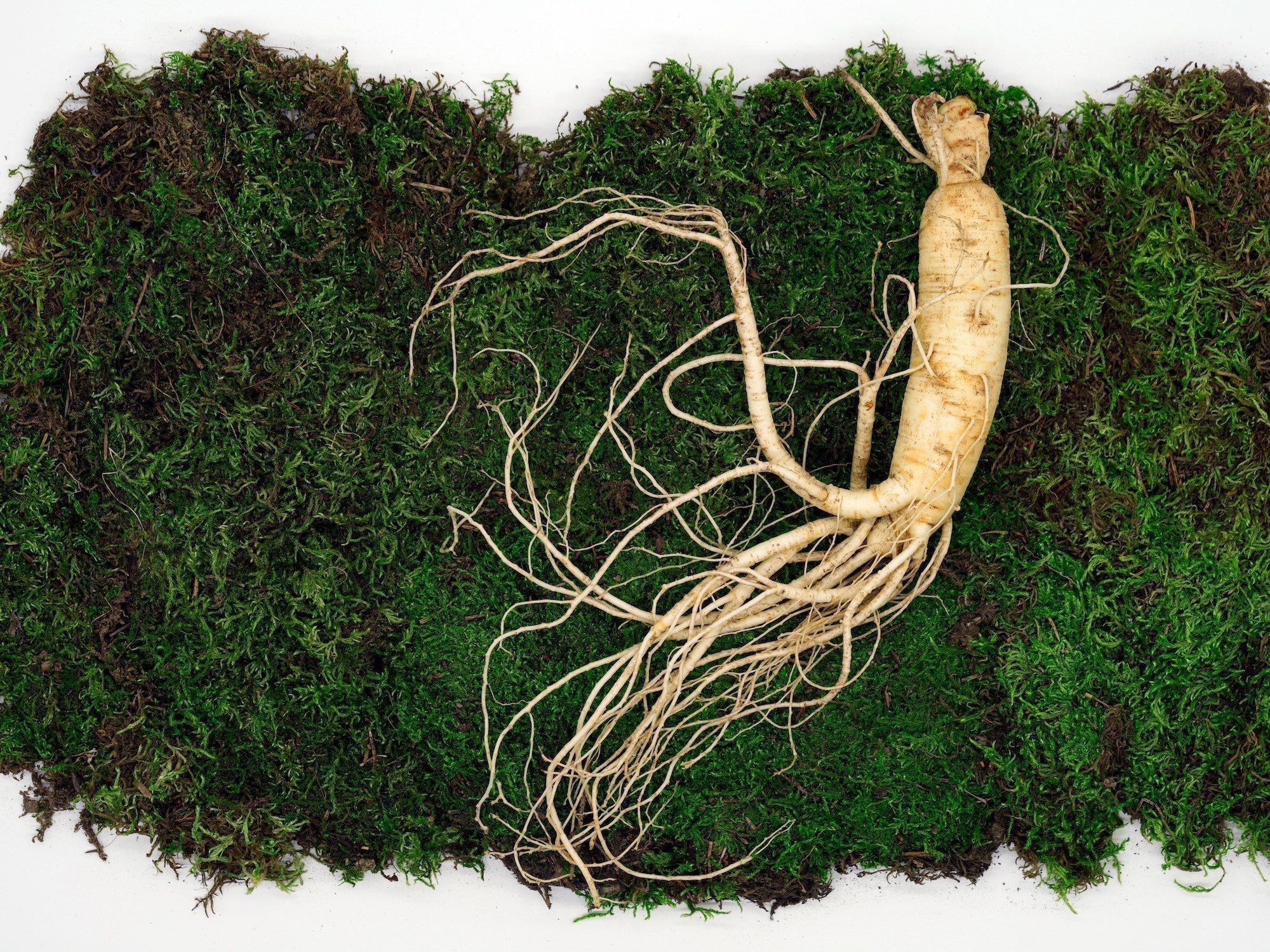
What Are Adaptogens? How They Work and What the Research Shows
Adaptogens such as Ashwagandha, Rhodiola and Reishi have attracted growing interest for their potential effects on stress, fatigue and recovery. But how do they actually work, and what does the research tell us? We examine the science behind adaptogens, the differences between individual ingredients and where the evidence is most promising.
Read moreabout What Are Adaptogens? How They Work and What the Research Shows

Why Is Shilajit Resin So Sticky? The Chemistry Behind Texture, Tackiness and Quality
Shilajit resin is naturally sticky, but texture alone does not prove quality. This article explains why real Shilajit can be soft, firm, stretchy, tacky or crystallised, and why testing, water content, fulvic acid, humic substances and mineral composition matter more than a simple spoon test.
Read moreabout Why Is Shilajit Resin So Sticky? The Chemistry Behind Texture, Tackiness and Quality