


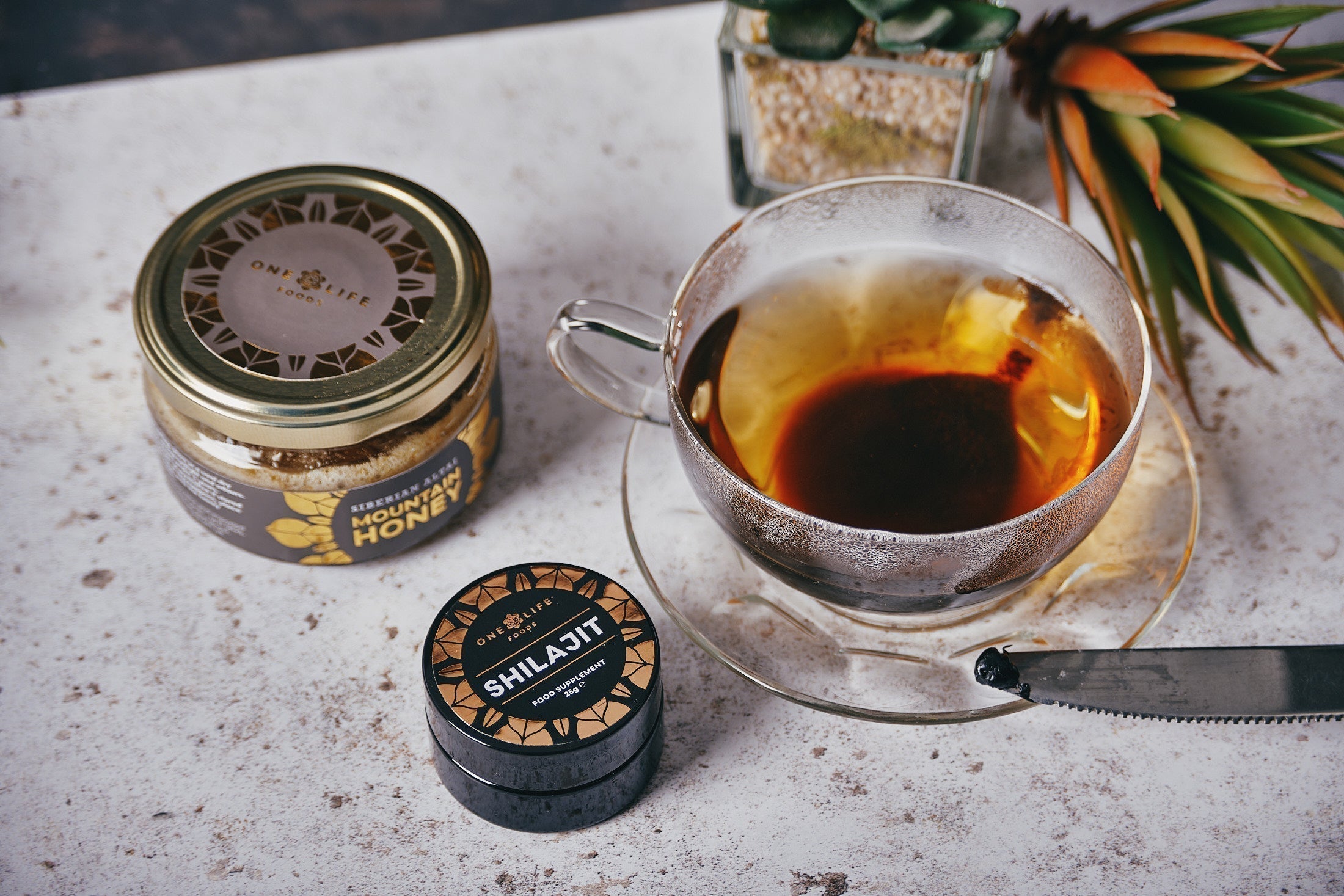
With Shilajit gaining serious momentum in the supplement space, it’s now more crucial than ever for consumers to fully understand the importance of lab testing before purchasing this powerful substance. And understanding what meaningful testing actually involves is just as important as seeing a certificate itself. Over the past couple of years, the market has seen a significant explosion of Shilajit brands, and it’s easy to see why. Shilajit is quickly becoming the latest health trend — and for good reason. When sourced properly, it has the potential to provide numerous health benefits, including boosting energy, supporting cognitive function, enhancing physical performance, and promoting overall wellness.
However, as the Shilajit market grows, so does the complexity of choosing a trustworthy and effective product. While lab certificates may seem like a simple validation of a brand’s claims, can you really trust the paperwork?
The Lack of Regulation in Shilajit Testing
In an industry that’s often poorly regulated, relying solely on a certificate or a brand’s promises can leave consumers vulnerable to counterfeit products, contamination, or ineffective formulations. Without proper scrutiny, even reputable-sounding labels can fall short of delivering what they claim — and this may not necessarily be through any fault of their own.
Producers and manufacturers are constantly looking for ways to cut corners and reduce costs, and unfortunately, third-party lab testing can be expensive. While there is currently no legislation mandating a specific standard of testing for Shilajit, there absolutely should be. The regions where Shilajit is sourced or produced often have varying standards and levels of compliance when it comes to testing for key components such as humic substances, minerals, heavy metals and contaminants, which are often misunderstood without proper context. This discrepancy can lead to some highly questionable results.
The Issue with "Total Fulvic Acid" Tests
Some laboratories report "total fulvic acid" levels using outdated or inflated testing methods, while others focus only on bioavailable fractions, which can produce vastly different outcomes. Much of this comes down to how fulvic acid is measured and interpreted in the lab. For instance, one lab might claim a fulvic acid content of 20%, while another might report 60% for the exact same sample. This discrepancy has led to a practice known as "lab shopping," where suppliers send their samples to multiple labs and only disclose the most favorable results.
In-House Labs and Falsified Certificates of Analysis (COAs)
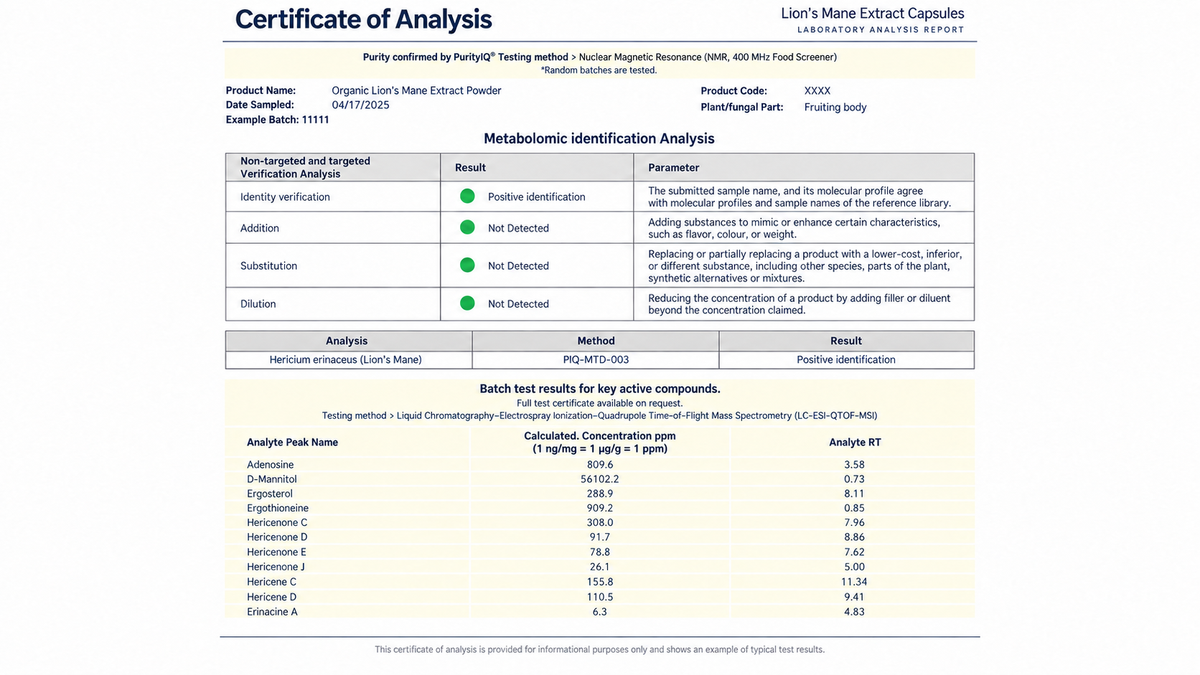
In addition to the lack of regulation and a generally lax set of standards, many suppliers provide certificates of analysis (COAs) that are generated by in-house labs that aren’t accredited or independent. In some cases, COAs may even be falsified or photoshopped, especially when targeting less-experienced buyers.
How the tests differ, and why it matters here
The method a lab uses changes the result. Some approaches are quick and cheap but easily inflated, while the rigorous, internationally recognised method (ISO 19822:2018) is slower, costlier, and far harder to game. That gap is exactly what makes "lab tested" such a slippery phrase, because two labs can hand back very different numbers for the same sample.
We break down how each method works, and why the figures vary so much, in a dedicated guide: Fulvic Acid in Shilajit: Which Test Can You Trust? And if you want to know how to read what is actually on a report, see: How to Read a Shilajit Lab Report.
The Importance of Proper Sample Storage and Handling
It’s also crucial to recognise that not all labs maintain the same level of care when it comes to the storage and handling of samples. While it may seem like common sense to ensure that equipment is thoroughly cleaned to avoid contamination, this is unfortunately not always the case.
Shilajit is a delicate substance, and improper storage — such as exposure to extreme temperatures or humidity — can significantly alter its chemical composition. If samples are mishandled or not stored under the proper conditions before testing, the results may not accurately reflect the true content of the product. Furthermore, issues like inadequate equipment cleaning, cross-contamination between samples, or the use of subpar reagents can all compromise the reliability of test outcomes. Without strict adherence to proper protocols, even well-intentioned tests can produce misleading or unreliable data.
Conclusion
As the Shilajit market continues to grow, it’s essential for consumers to navigate this expanding space with a discerning eye, particularly when it comes to lab testing. While lab certificates may appear as a simple form of validation, the reality is that not all tests are created equal. From inconsistent testing methods and lack of standardisation to potential mishandling of samples and questionable practices like lab shopping, the reliability of test results can vary significantly.
For consumers, this means that understanding the intricacies behind lab testing is crucial to ensuring the authenticity and potency of the Shilajit they’re purchasing. In the absence of strict regulations and universal testing standards, the responsibility falls on the consumer to seek out brands that prioritise transparency, third-party accreditation, and rigorous testing procedures. Understanding these factors makes it much easier to evaluate what actually matters when choosing a Shilajit product. To truly benefit from Shilajit’s potential health benefits, it’s important to choose products that have been tested by independent, reputable labs using reliable methods. By doing so, consumers can confidently incorporate Shilajit into their wellness routines, knowing they’re getting a product that lives up to its claims — and one that’s truly safe and effective.
Explore the Full Shilajit Guide
Written By
Written by Chris Simon, Founder of One Life Foods.
Chris has worked in the supplement industry since 2009 and is known for seeking out exceptional ingredients, products, and formulations. Read more about Chris and the story behind One Life Foods.

Share:
Supporting Your Immune System During Winter: The Science Behind Staying Well
Fillers vs. Cutting Agents: What’s Really In Your Supplements?