


Learn

Is Shilajit Safe? Side Effects, Safety, and What to Know Before Taking It
Is Shilajit safe? A science-led guide to side effects, contraindications, medication cautions, who should avoid it and why product purity matters.
Read moreabout Is Shilajit Safe? Side Effects, Safety, and What to Know Before Taking It
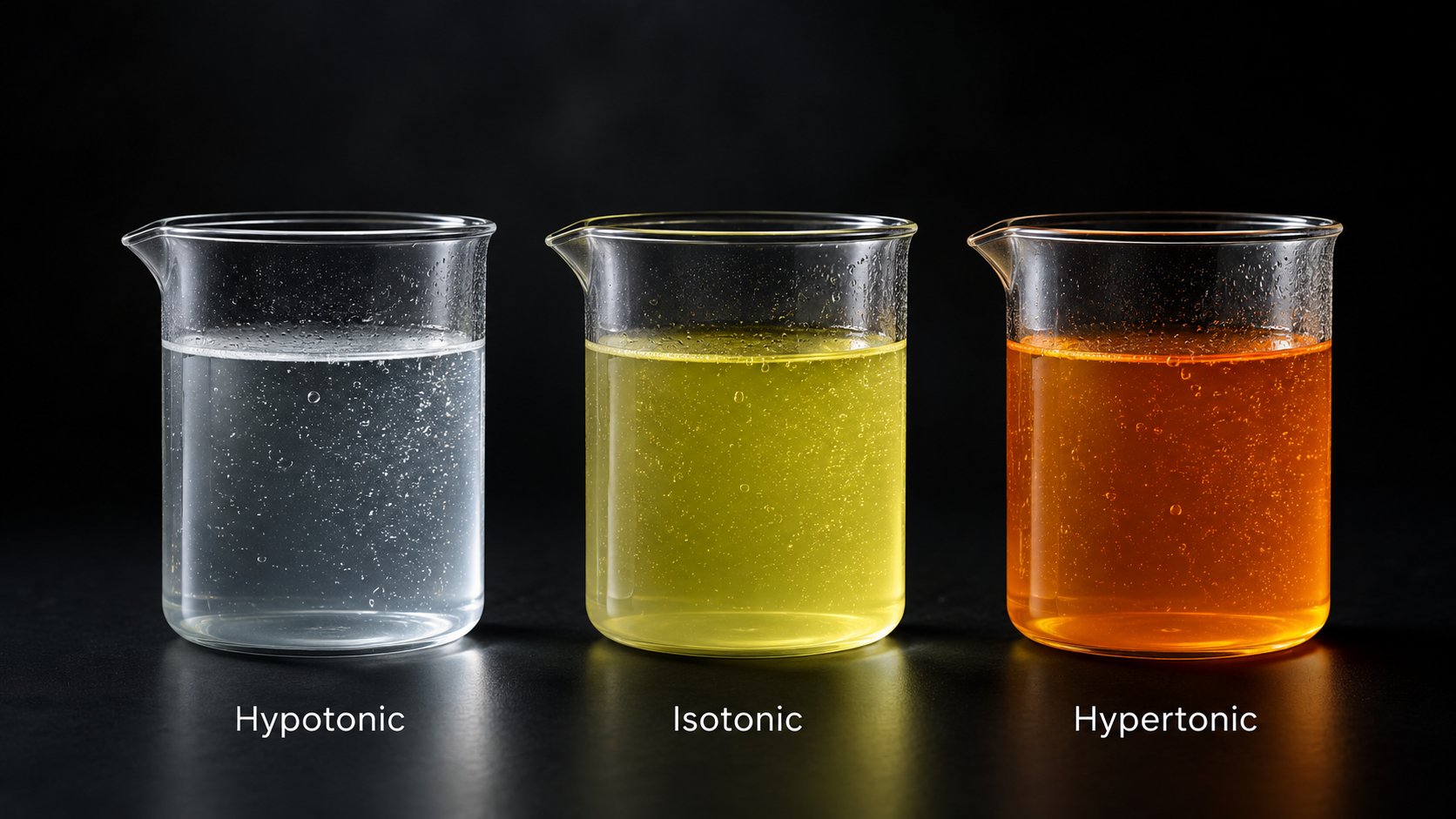
Isotonic, Hypotonic and Hypertonic Drinks: What’s the Difference for Athletes?
Isotonic, hypotonic and hypertonic drinks are built for different jobs. This guide explains how drink concentration affects hydration, fuel, electrolytes and performance, and how to choose the right format for your training.
Read moreabout Isotonic, Hypotonic and Hypertonic Drinks: What’s the Difference for Athletes?

What Electrolytes Do You Lose in Sweat? Sodium, Chloride, Potassium and Magnesium Explained
Sweat is mostly water, but it also contains electrolytes. This guide explains which minerals you lose when you sweat, why sodium and chloride matter most, and how to think about hydration during harder training sessions.

How Much Should Shilajit Cost? Understanding Price, Quality and Value
Why does one Shilajit resin cost £15 while another costs £80? Discover the factors that influence Shilajit pricing, including sourcing, purification, testing, composition, and quality, and learn how to assess true value beyond the marketing claims.
Read moreabout How Much Should Shilajit Cost? Understanding Price, Quality and Value

Why Sodium Helps Hydration: Fluid Balance, Nerve Signals and Performance
Sodium is often misunderstood, but in the right context it is one of the most important electrolytes for hydration. This guide explains how sodium supports fluid balance, nerve signalling and training performance, especially when sweat loss is high.
Read moreabout Why Sodium Helps Hydration: Fluid Balance, Nerve Signals and Performance
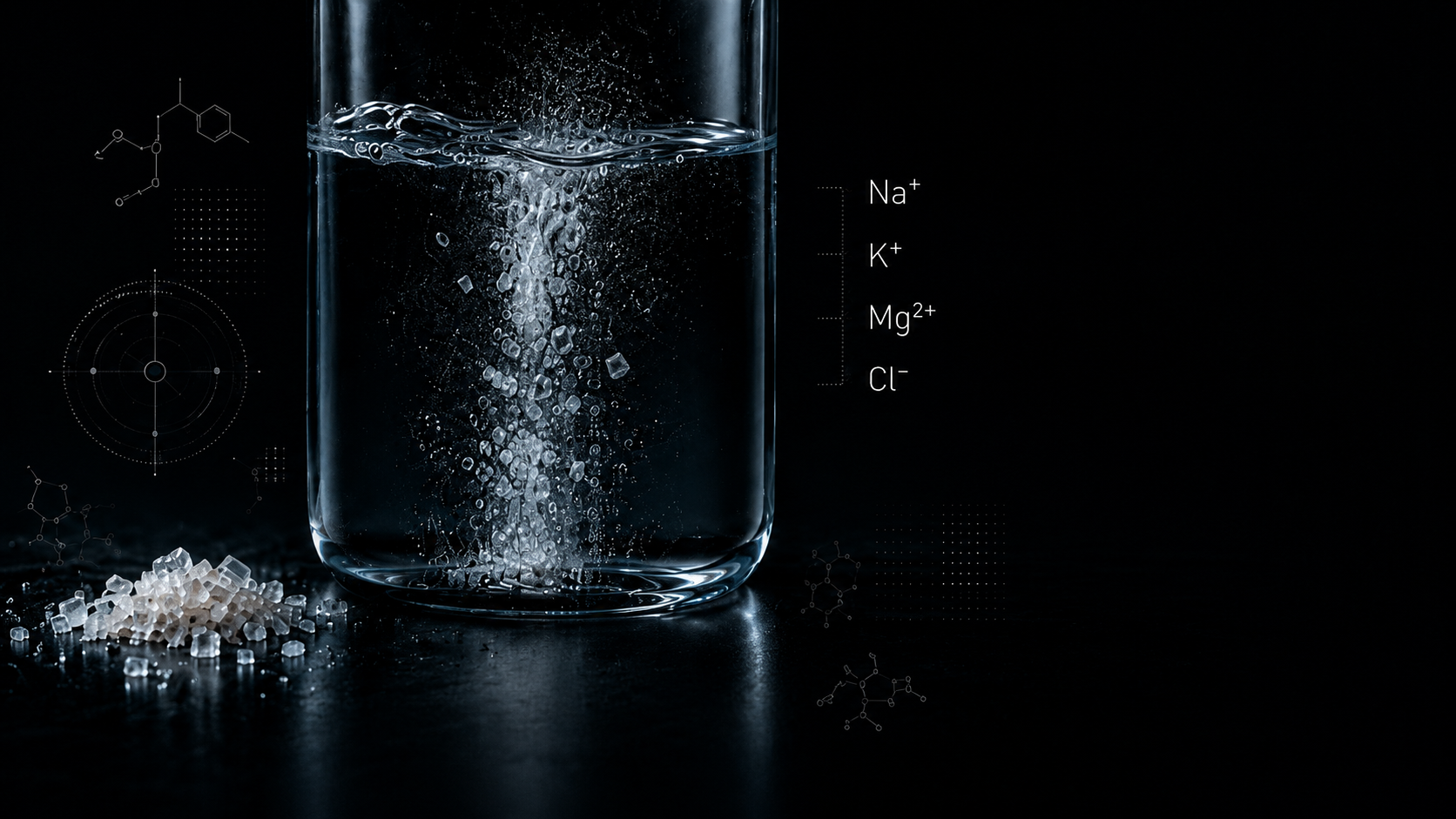
Electrolytes Explained: The Chemistry of Sodium, Potassium, Magnesium and Chloride
Electrolytes are charged minerals that help control fluid balance, nerve signalling and muscle function. This guide explains the key electrolytes behind hydration and performance, including sodium, potassium, magnesium, chloride and calcium.
Read moreabout Electrolytes Explained: The Chemistry of Sodium, Potassium, Magnesium and Chloride