


Learn
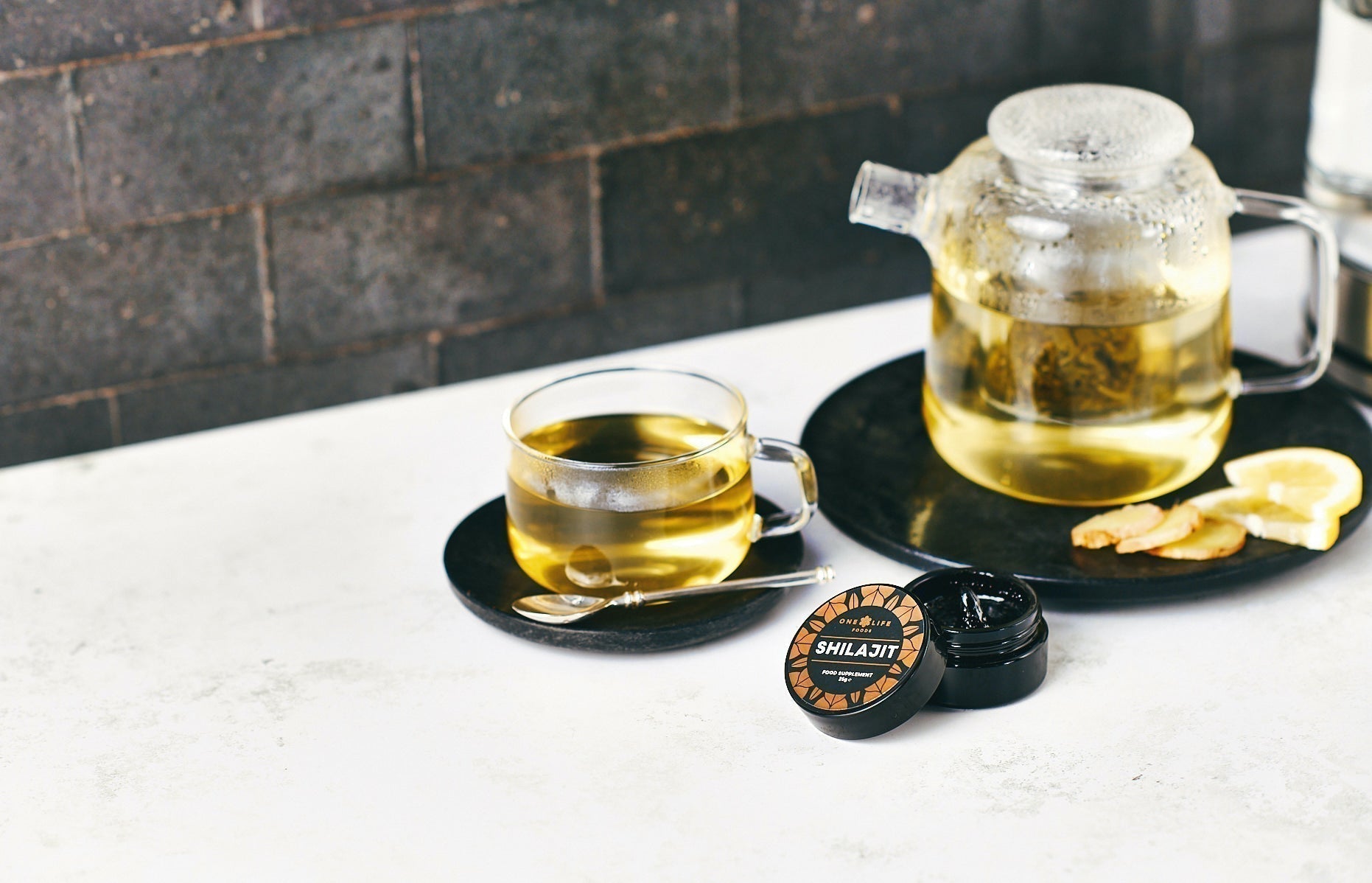
How to Take Shilajit Properly (Dosage, Timing, and Best Practices)
Learn how to take Shilajit resin, how much to use, the best time to take it, and the easiest ways to mix it with water, coffee, milk or food. We also cover measuring, cycling, storage and common mistakes.
Read moreabout How to Take Shilajit Properly (Dosage, Timing, and Best Practices)
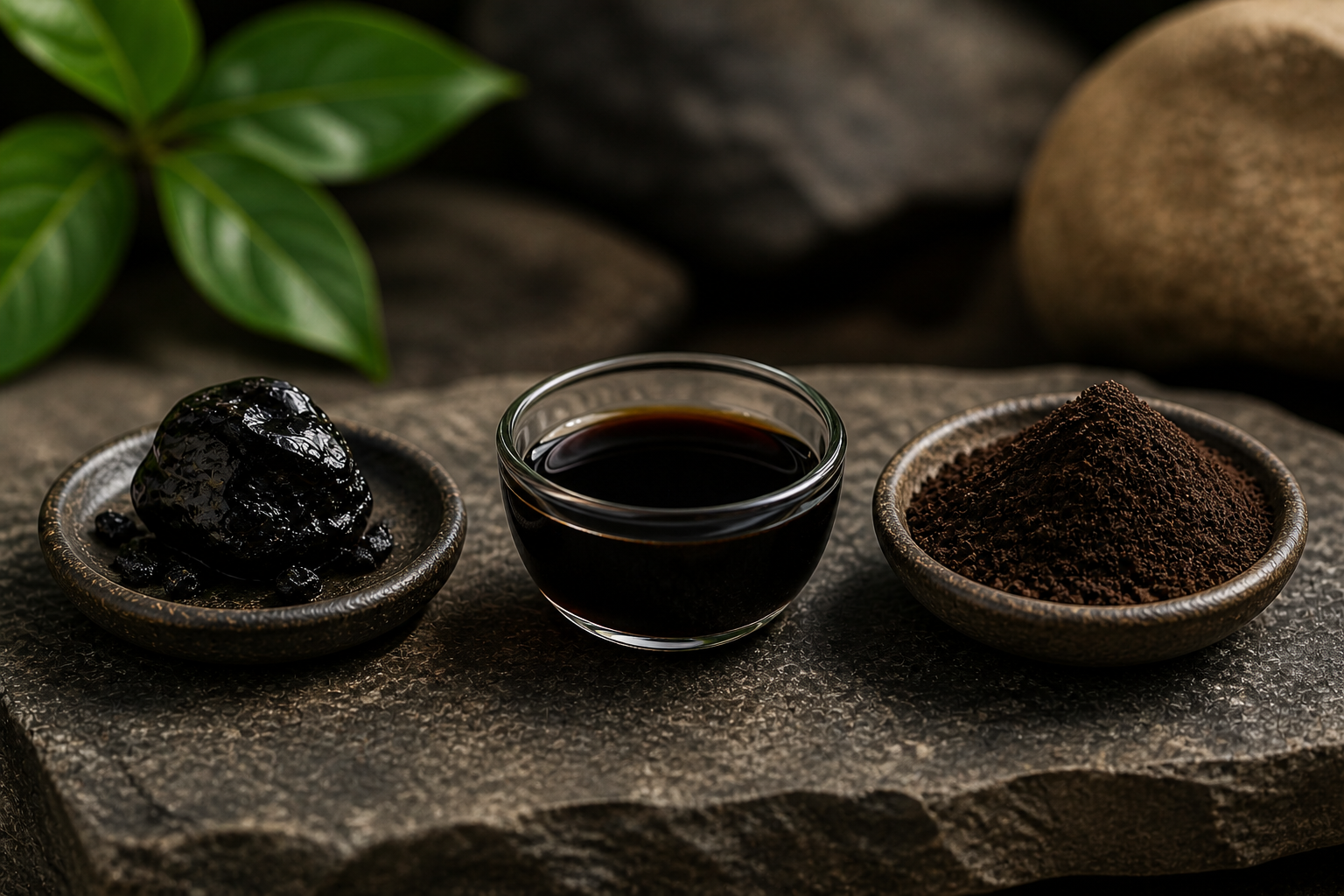
Shilajit Forms: Resin vs Liquid vs Powder (What Actually Matters)
Shilajit is sold as resin, liquid, powder, capsules and gummies. The format matters, but sourcing, processing, concentration and testing matter considerably more.
Read moreabout Shilajit Forms: Resin vs Liquid vs Powder (What Actually Matters)
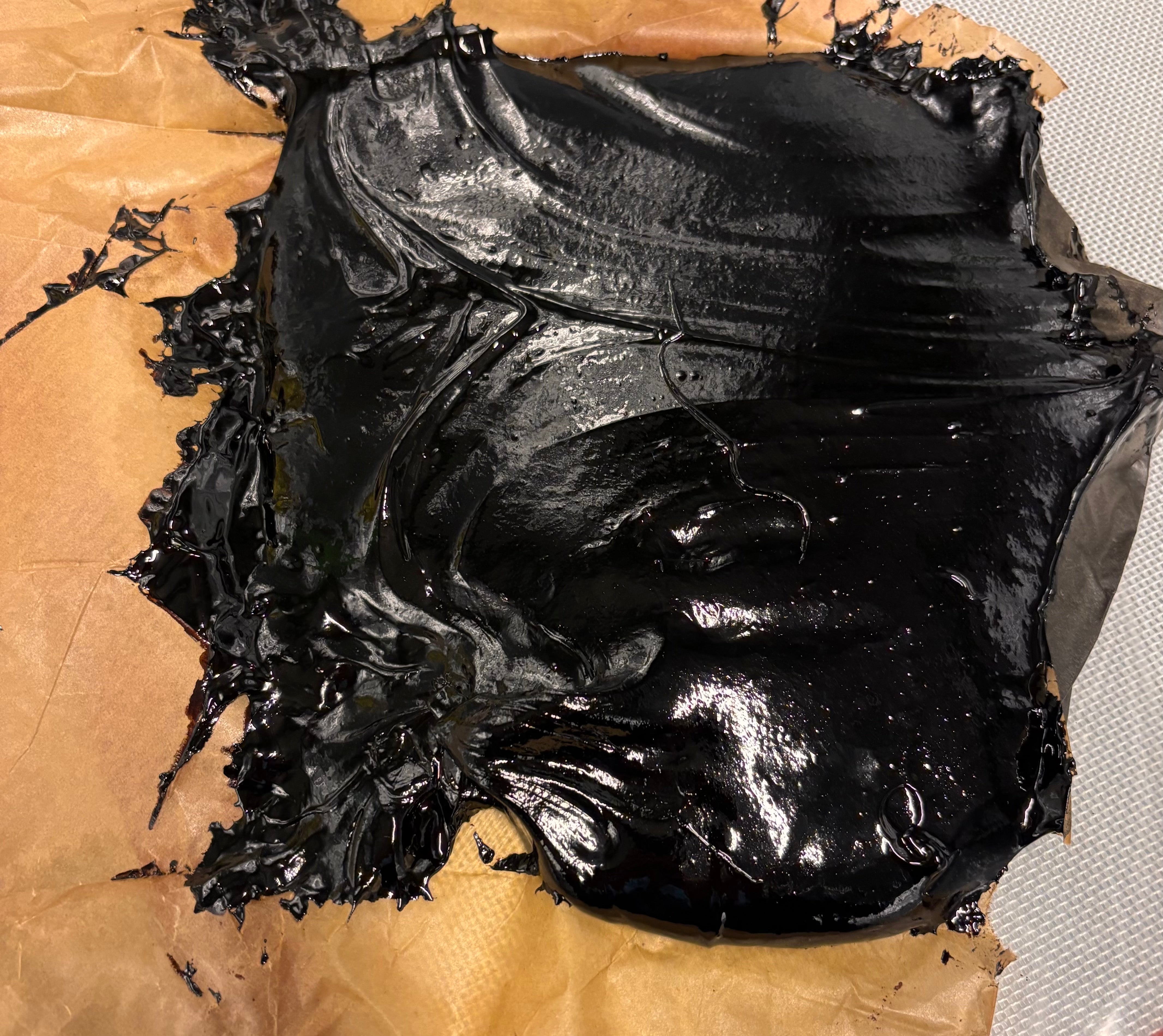
Shilajit Explained: How It Works, and What Actually Matters
Shilajit isn’t one active ingredient, one mineral count or one heroic fulvic-acid percentage. This guide explains how its wider matrix may work, what human research has shown, why we consider resin the clearest benchmark and how poor-quality products hide behind impressive claims.
Read moreabout Shilajit Explained: How It Works, and What Actually Matters
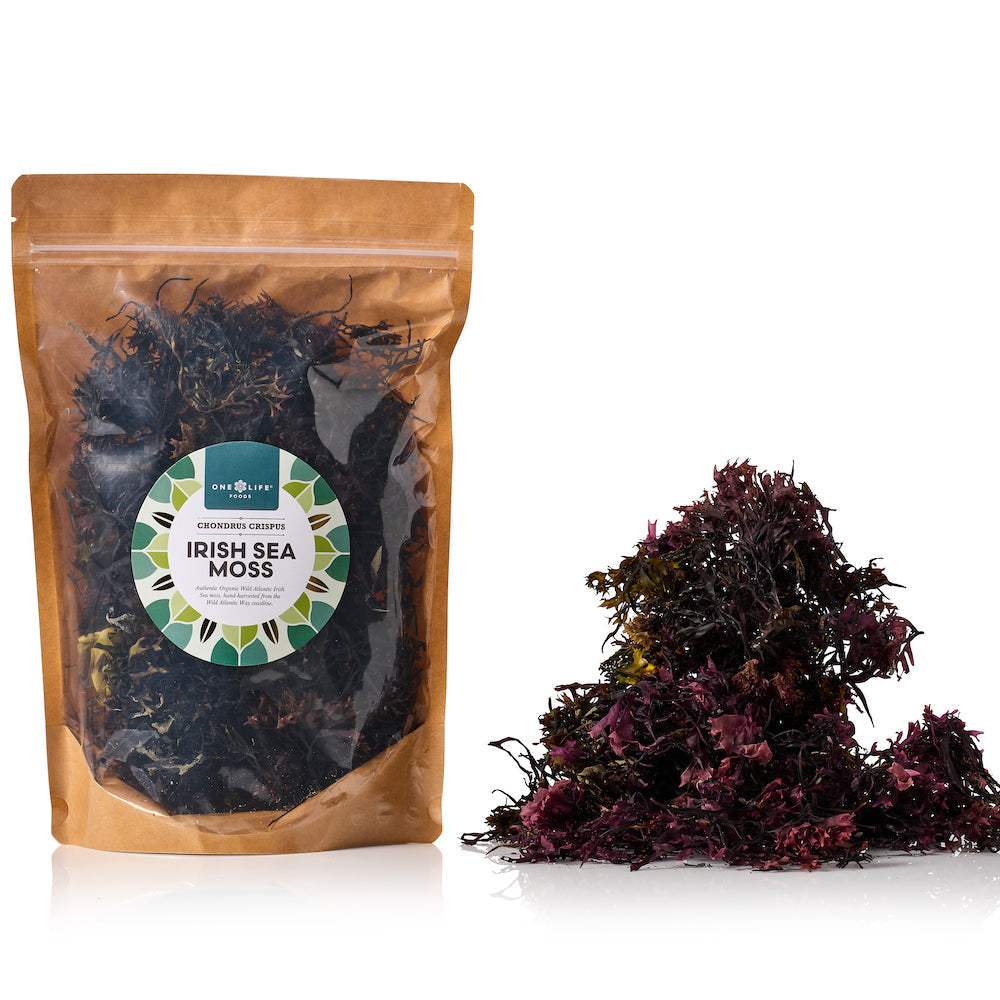
Exposing the Sea Moss Market: The Seaweed Saga You Didn’t Know You Needed
Discover the truth about the sea moss market in our latest blog. We break down the differences between true Irish Sea Moss (Chondrus crispus) and the tropical varieties flooding the market, uncover misleading claims, and explain why sustainably wild-harvested sea moss from the Atlantic is the gold standard. Learn about sustainability certifications, drying processes, and how to spot the real deal.
Read moreabout Exposing the Sea Moss Market: The Seaweed Saga You Didn’t Know You Needed
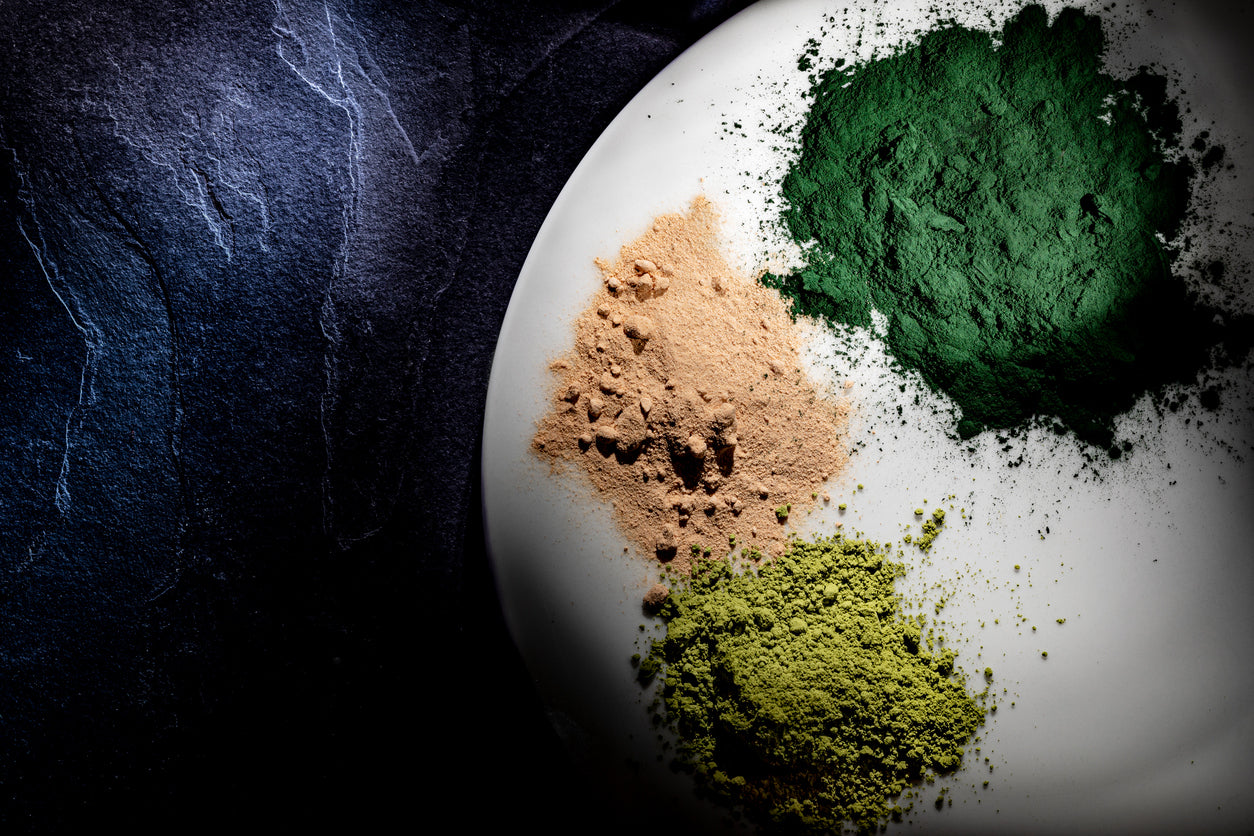
Powdered herbs are not useless, but they are often marketed like concentrated extracts. This guide explains the difference between raw powders and herbal extracts, why active compounds matter, and how to spot a supplement that is more substance than dust with a label.
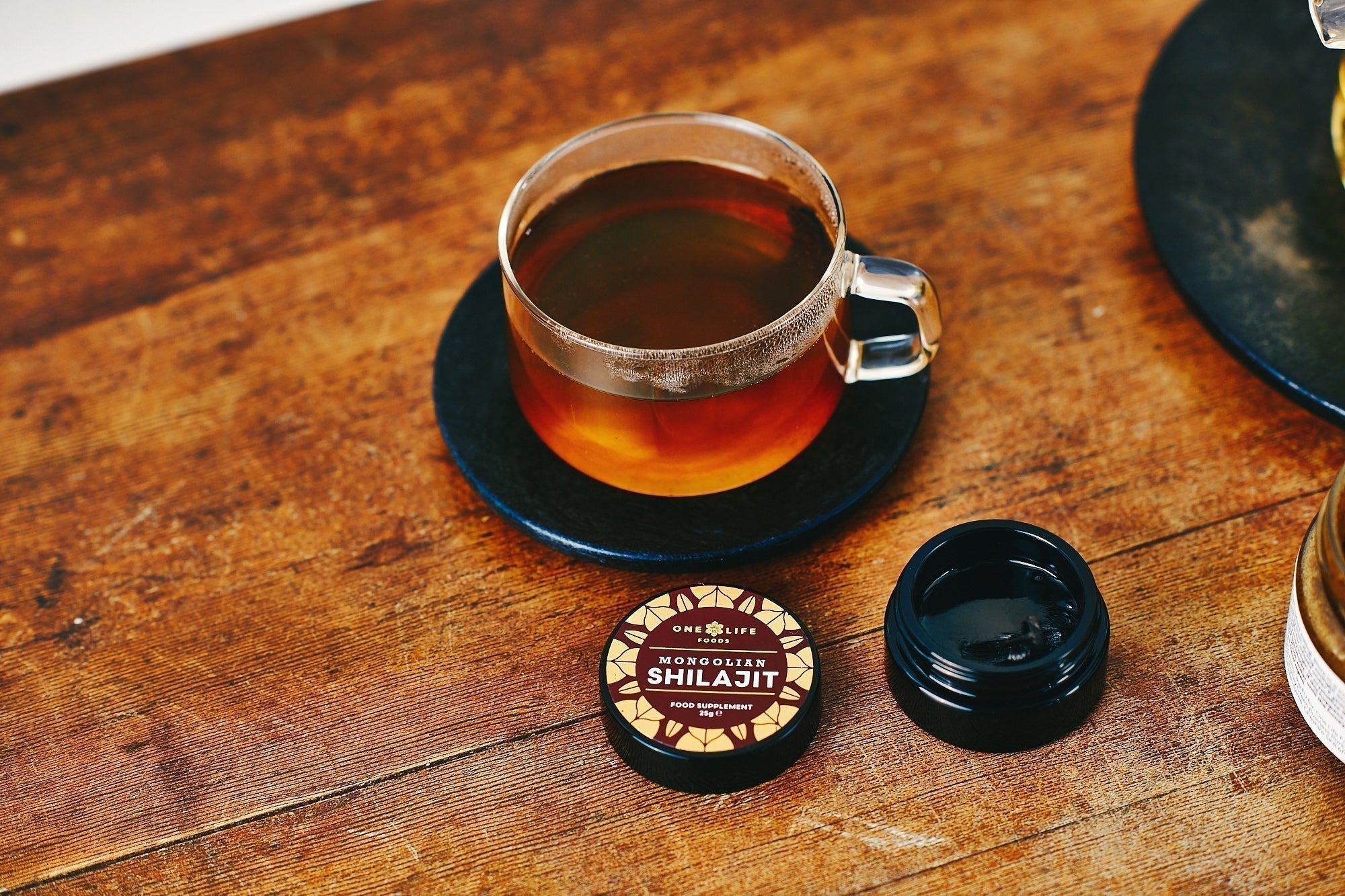
Shilajit isn’t a male supplement. Women-specific research has explored its effects on bone mineral density, skin microperfusion and connective-tissue biology, while its broader chemistry makes it relevant to energy, fatigue and long-term resilience.