


Learn
Are Mushroom Supplements Safe? Side Effects, Interactions & Who Should Be Cautious
Mushroom supplements aren't automatically suitable for everyone. Here’s what the human research does and doesn’t tell us about side effects, interactions and sensible precautions.
Read moreabout Are Mushroom Supplements Safe? Side Effects, Interactions & Who Should Be Cautious
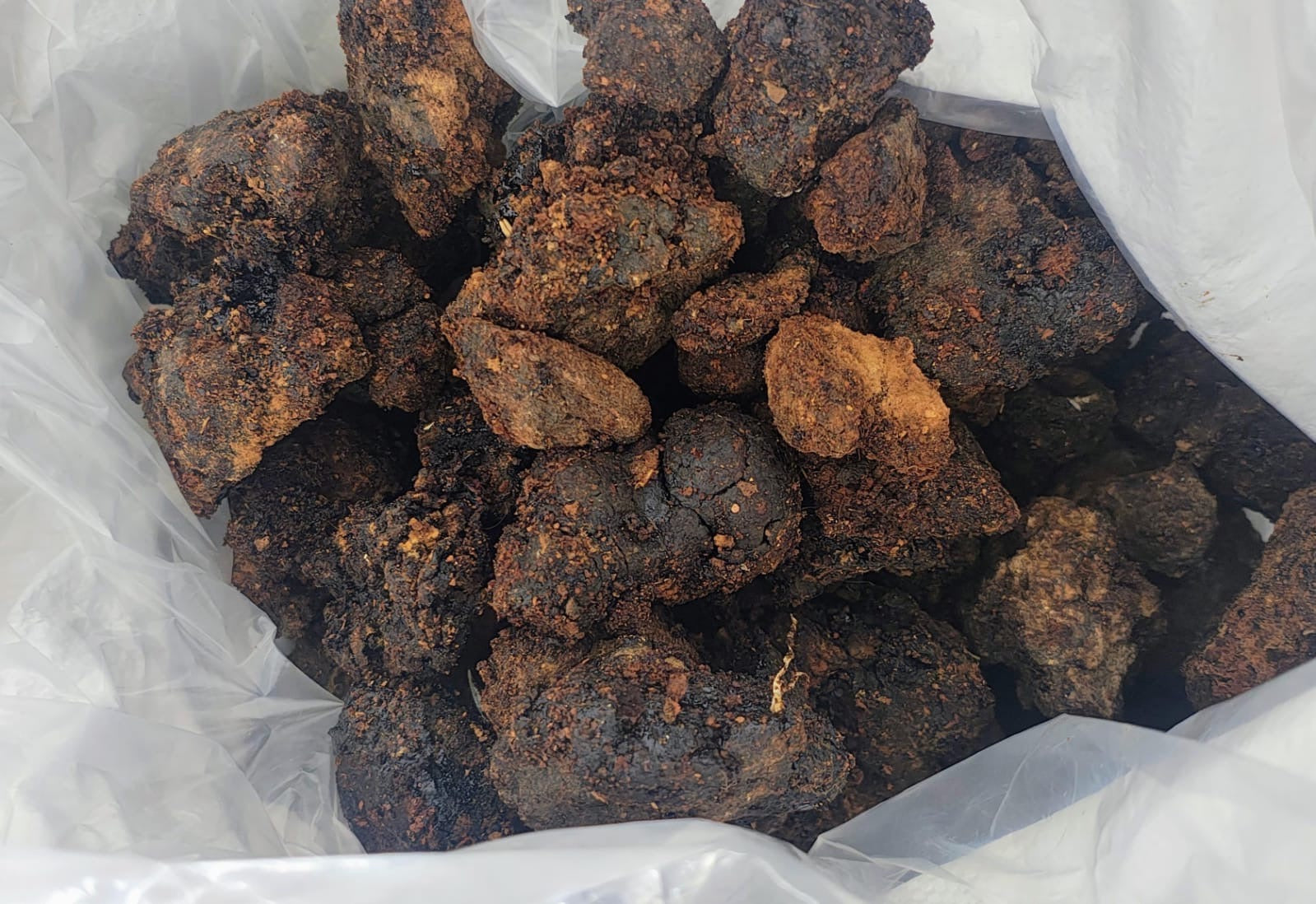
Is Raw Shilajit Really Better? The Purification Paradox Explained
Raw is often assumed to mean better. But when it comes to Shilajit, the relationship between authenticity and preparation is more nuanced. This guide explores traditional purification, modern processing, and why respecting tradition does not mean rejecting progress.
Read moreabout Is Raw Shilajit Really Better? The Purification Paradox Explained
Is Shilajit Safe? Side Effects, Safety, and What to Know Before Taking It
Is Shilajit safe? A science-led guide to side effects, contraindications, medication cautions, who should avoid it and why product purity matters.
Read moreabout Is Shilajit Safe? Side Effects, Safety, and What to Know Before Taking It
PAHs, Solvents, and Microbial Testing in Shilajit: What Actually Matters
Most Shilajit products focus on what they contain. This guide explains what should not be there, including PAHs, solvents, and microbial contamination, and why proper testing matters.
Read moreabout PAHs, Solvents, and Microbial Testing in Shilajit: What Actually Matters
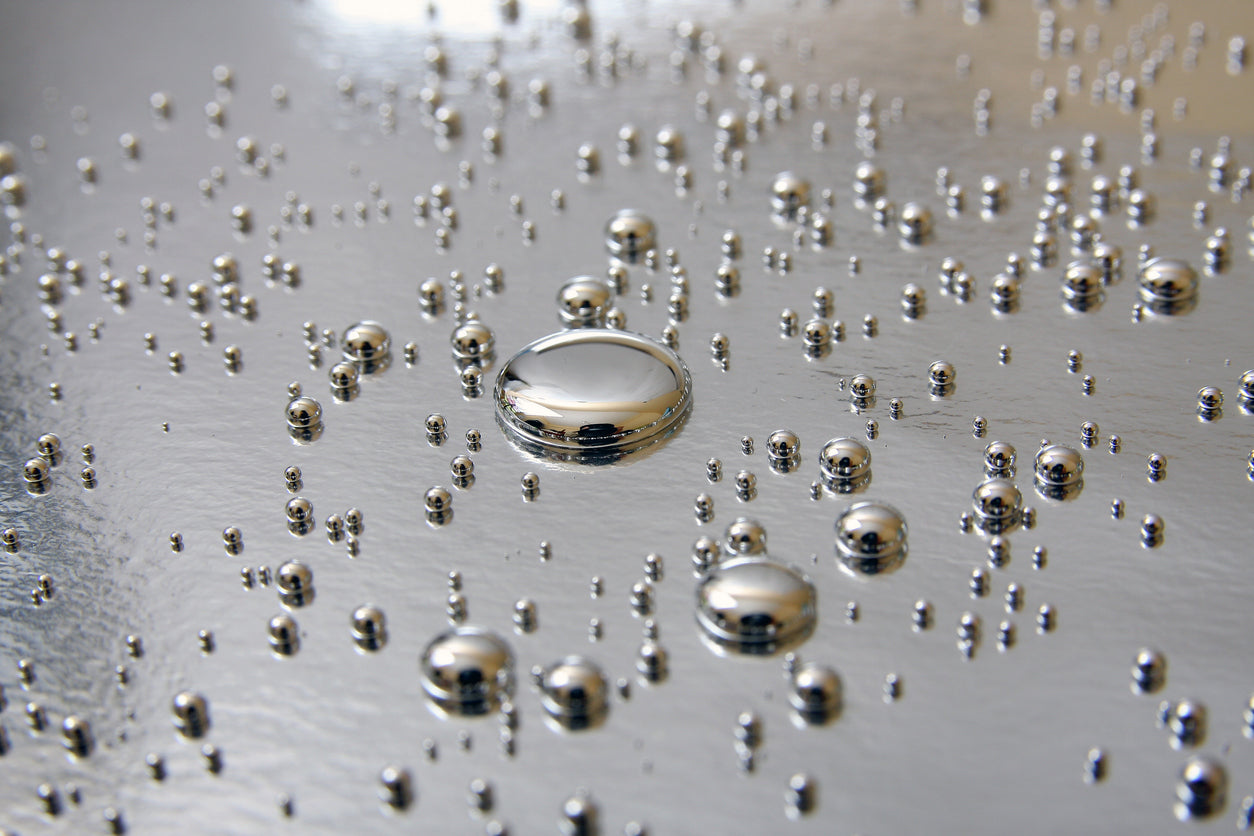
Heavy Metals in Shilajit: Context, Concern, and Clarity
Shilajit can contain lead, arsenic, cadmium, mercury and other elements, but a detected result does not tell you the risk on its own. This guide explains how concentration, serving size, chemical form, batch testing and UK or EU rules fit together, without panic or wishful thinking.
Read moreabout Heavy Metals in Shilajit: Context, Concern, and Clarity
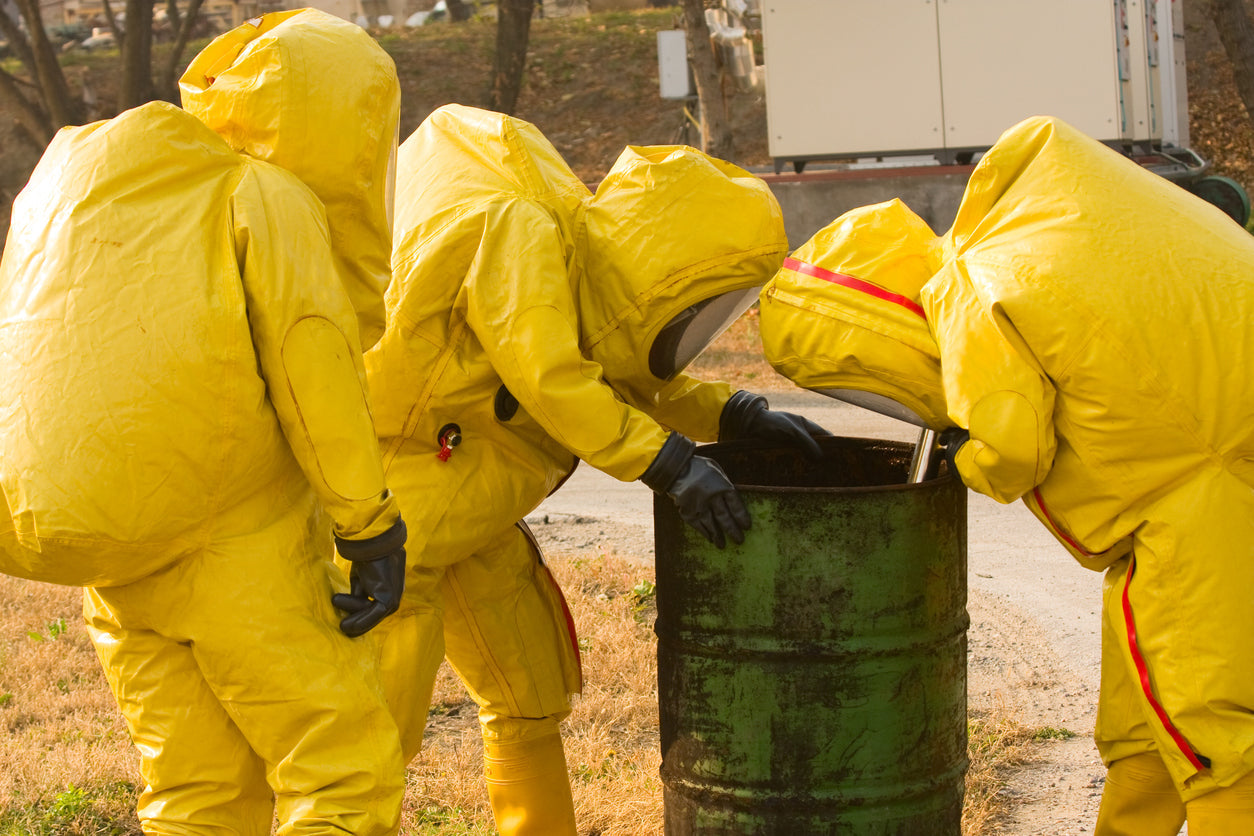
Is Your Shilajit Safe — or a Biohazard in a Jar?
Runny Shilajit isn’t automatically unsafe, but excess water, poor concentration and weak manufacturing controls can create the conditions for microbial growth. Here’s how to tell proper quality control from wet nonsense in a fancy jar.
Read moreabout Is Your Shilajit Safe — or a Biohazard in a Jar?