


Learn

Hydration for Strength Training: Power, Pump, Performance and Recovery
Hydration is not just an endurance concern. This guide explains how fluid balance and electrolytes support strength training, pump, nerve signalling, muscle function and consistency across harder gym sessions.
Read moreabout Hydration for Strength Training: Power, Pump, Performance and Recovery

Electrolytes Before, During and After Training: Timing Your Hydration Properly
Electrolyte timing depends on the session. This guide explains when to use electrolytes before, during and after training, why sweat loss changes hydration needs, and when water alone may be enough.
Read moreabout Electrolytes Before, During and After Training: Timing Your Hydration Properly

Why Sodium Helps Hydration: Fluid Balance, Nerve Signals and Performance
Sodium is often misunderstood, but in the right context it is one of the most important electrolytes for hydration. This guide explains how sodium supports fluid balance, nerve signalling and training performance, especially when sweat loss is high.
Read moreabout Why Sodium Helps Hydration: Fluid Balance, Nerve Signals and Performance
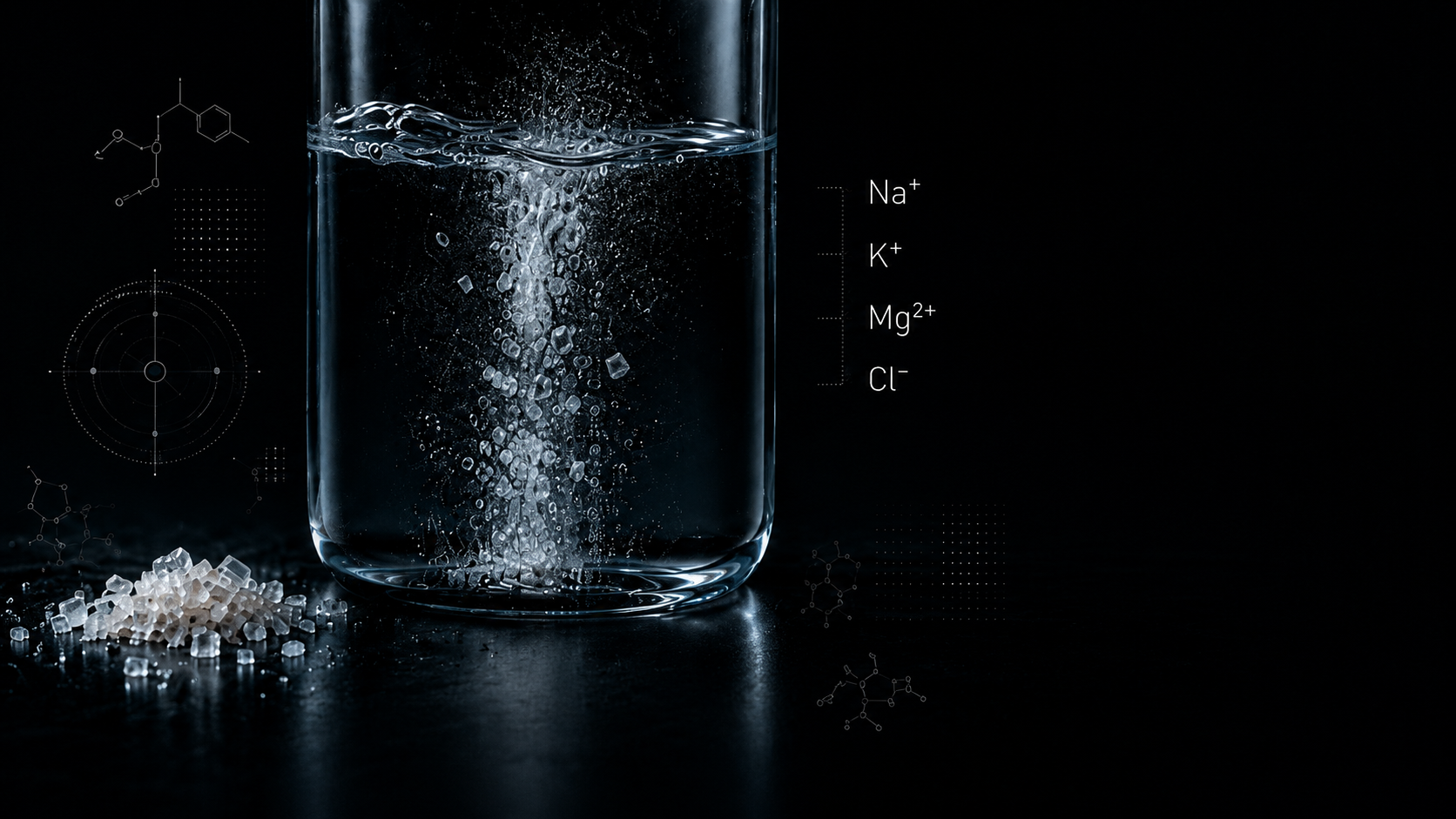
Electrolytes Explained: The Chemistry of Sodium, Potassium, Magnesium and Chloride
Electrolytes are charged minerals that help control fluid balance, nerve signalling and muscle function. This guide explains the key electrolytes behind hydration and performance, including sodium, potassium, magnesium, chloride and calcium.
Read moreabout Electrolytes Explained: The Chemistry of Sodium, Potassium, Magnesium and Chloride

The Gut Check (Part 2): What Microbes, Genes, and Culture Can Teach Us About Real Wellness
Your gut response to food is shaped by more than fibre and willpower. This guide explores how the microbiome, FODMAPs, genetics, traditional food preparation and wellness culture influence digestion, bloating, food tolerance and real-world gut health.
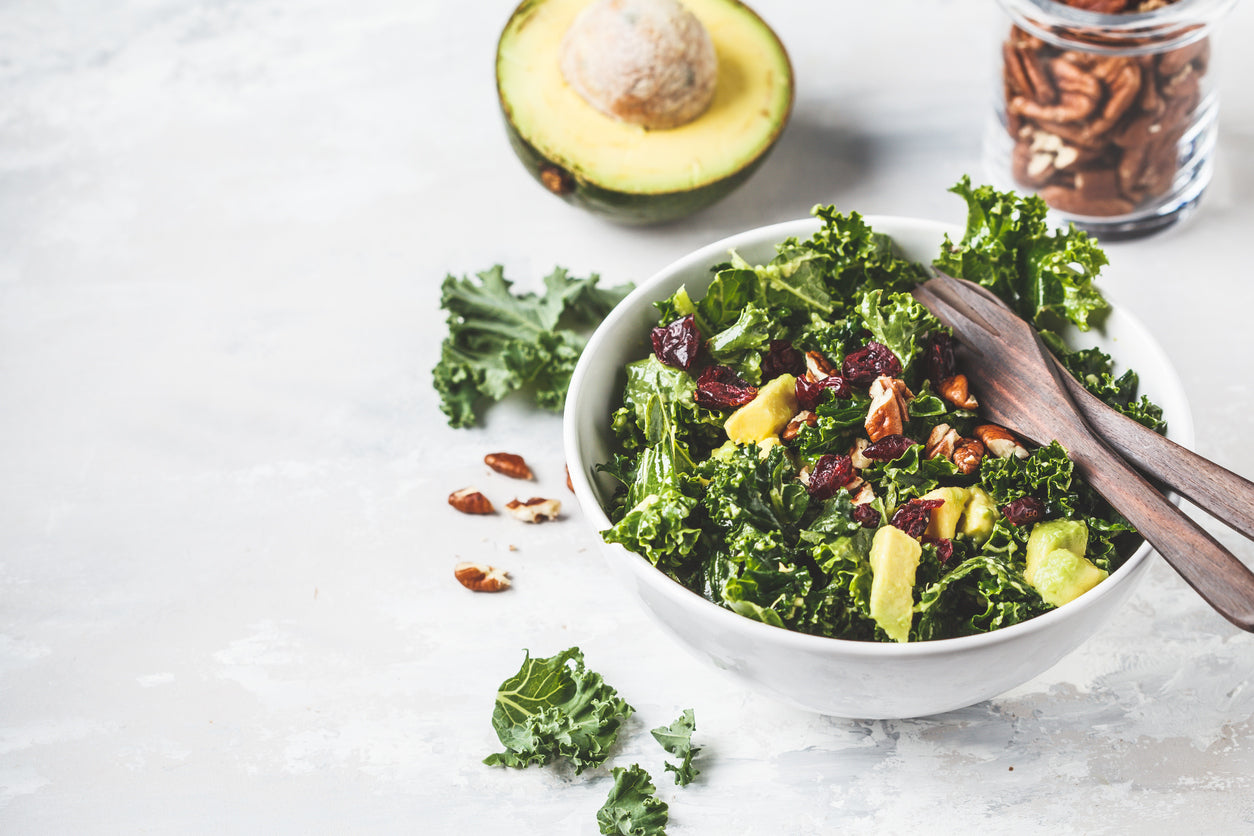
Gut Check Part 1: Challenging the Nutritional Gospel
Whole foods are often treated as automatically healthier, but sensitive digestion does not always agree. This guide explains why raw vegetables, whole grains, nuts, seeds and legumes can irritate some guts, and why cooking, soaking, sprouting or simplifying food can sometimes be the smarter choice.
Read moreabout Gut Check Part 1: Challenging the Nutritional Gospel