


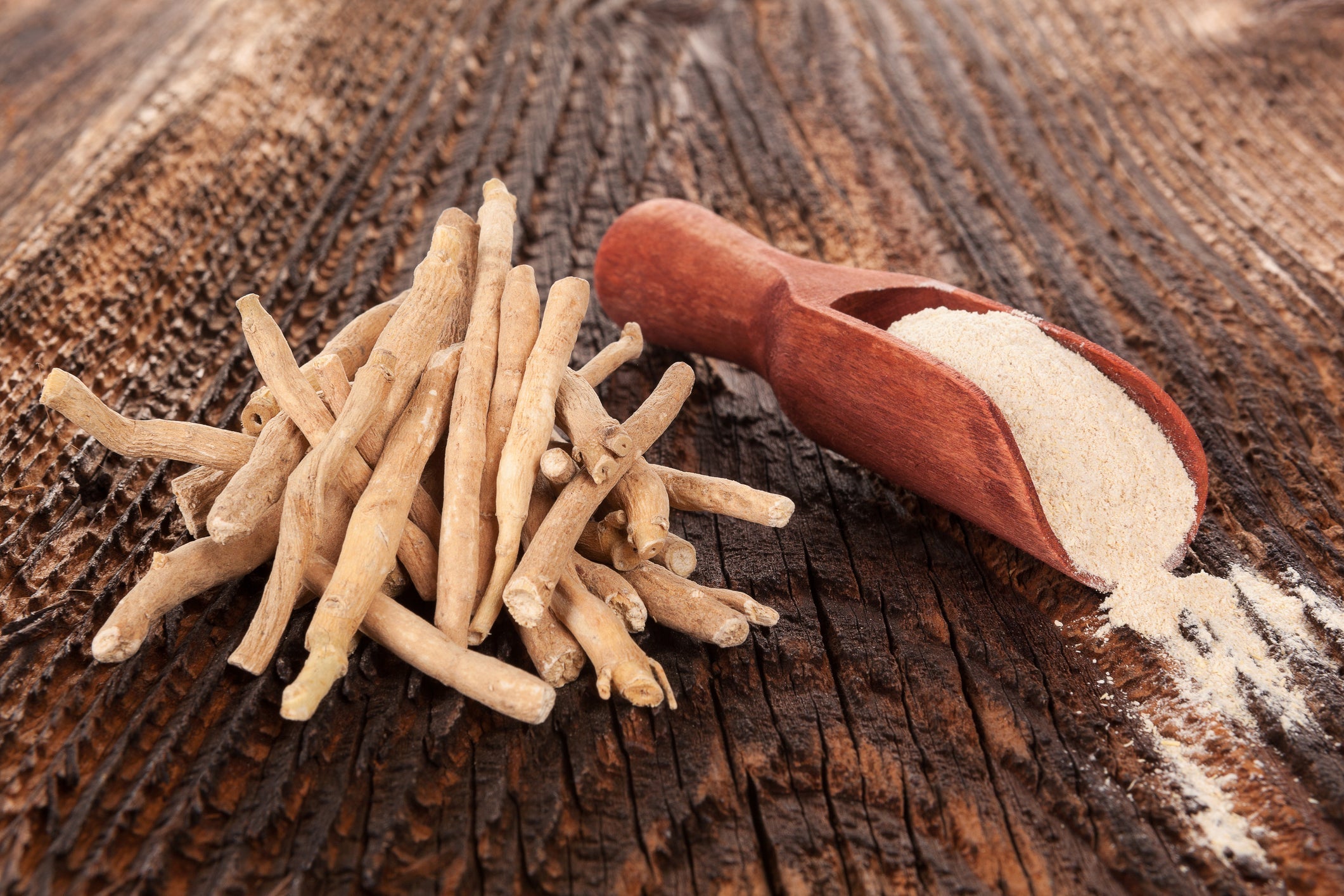
Ashwagandha, also called the “Indian Winter cherry” or “Indian Ginseng,” is an evergreen shrub typically found in India, Africa and parts of the Middle East. Ashwagandha is an ancient medicinal herb. It has a long history of being used in Ayurvedic medicine due to its many benefits such as increasing energy, improving overall health, reducing inflammation, the treatment of pain and anxiety.
Ashwagandha (Scientific name: Withania somnifera) is an adaptogenic herb that has been used for over 2,500 years. It is known in India as the “strength of the stallion” due to its ability to help boost the immune system following an illness. It is also used to increase stamina and works as a biological stress reliever, earning it the name “Indian ginseng”. There are many benefits linked to the use of ashwagandha. Below are just some of these.
- Relieves fatigue
Ashwagandha is a rejuvenating tonic and has been used for many years to relieve mental and physical fatigue. Research has found ashwagandha can be utilised in treating adrenal fatigue. The adrenals are endocrine glands which release cortisol and adrenaline; hormones that respond to stress. When your adrenals are overused as a result of mental, physical or emotional stress, it can cause a condition known as adrenal fatigue. Exhaustion of the adrenals has a knock-on effect on other hormones in the body. For example, low progesterone production as a result of adrenal fatigue can lead to oestrogen dominance, which in turn affects thyroid function.
- Regulates blood sugar levels
Ashwagandha has links to anti-diabetic benefits, which may be due to its phenolic constituents - including flavonoids. Flavonoids have a positive impact on glucose metabolism. Studies have concluded ashwagandha helps regulate blood sugar levels through its ability to improve insulin sensitivity.
- Aids the treatment of depression
Ashwagandha has been linked with positive outcomes in a variety of mental health conditions. One of which is depression. Ashwagandha improves resistance to stress, with some studies finding it is also efficient as an antidepressant treatment.
- Reduces stress and anxiety
Ashwagandha has profound calming properties making it a natural treatment for anxiety. This means it can be used to treat stress and anxiety without any of the negative effects associated with traditional medicines.
- Improves cognitive function
Taking ashwagandha can improve cognitive function by protecting neurons in the brain from damage. It may improve memory and act as a preventative against conditions such as Alzheimer’s and Parkinson’s. This is due to ashwagandha’s antioxidant-rich properties which help to scavenge free radicals and prevent cellular degeneration. Ashwagandha’s major chemical constituents, withanolides (in particular A and D) have been shown to reverse amyloid plaque build-up associated with cognitive impairment. These naturally occurring steroids may also be responsible for the herb's ability to improve attentiveness, data processing speed and cerebral skills.
- Aids sex drive and fertility
Ashwagandha has been used for many years in Ayurvedic medicine to help boost individuals’ sex drive, testosterone levels and also to improve male fertility. Recent studies have found improvements in sexual function, particularly in stimulation, lubrication, testosterone levels and orgasm. Ashwagandha has also been linked to an improvement in both sperm count and sperm mobility.
- Builds muscle strength
Ashwagandha may help promote an increase in muscle mass and strength when used as part of a resistance training programme. Studies have also found a significant reduction in exercise-induced muscle damage, as well as a reduction in body fat percentage.
Dosage
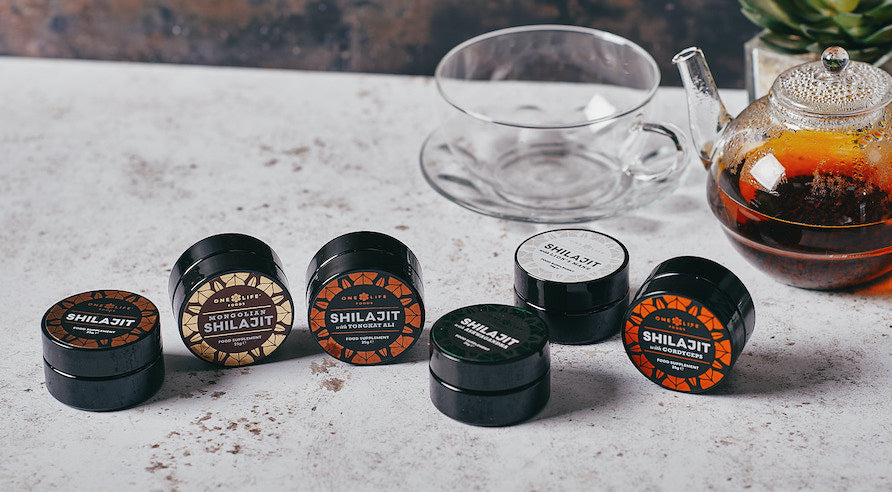
Our Shilajit and Ashwagandha product is a potent blend of Siberian shilajit resin, ashwagandha root extract and liquorice root extract. We recommend taking a large pea-sized amount in warm water, black coffee or green tea 1-2 times a day until you’ve completed a course. You can also allow a warm water mixture to cool before adding to smoothies or pre-workout. If you’re interested in finding out more about our shilajit and ashwagandha you can browse our range here https://onelifefoods.co.uk/ . For any questions, please do not hesitate to contact us: info@onelifefoods.co.uk


Share:
Everything you need to know about raw honey.
Chaga - The King of Medicinal Mushrooms