


Learn
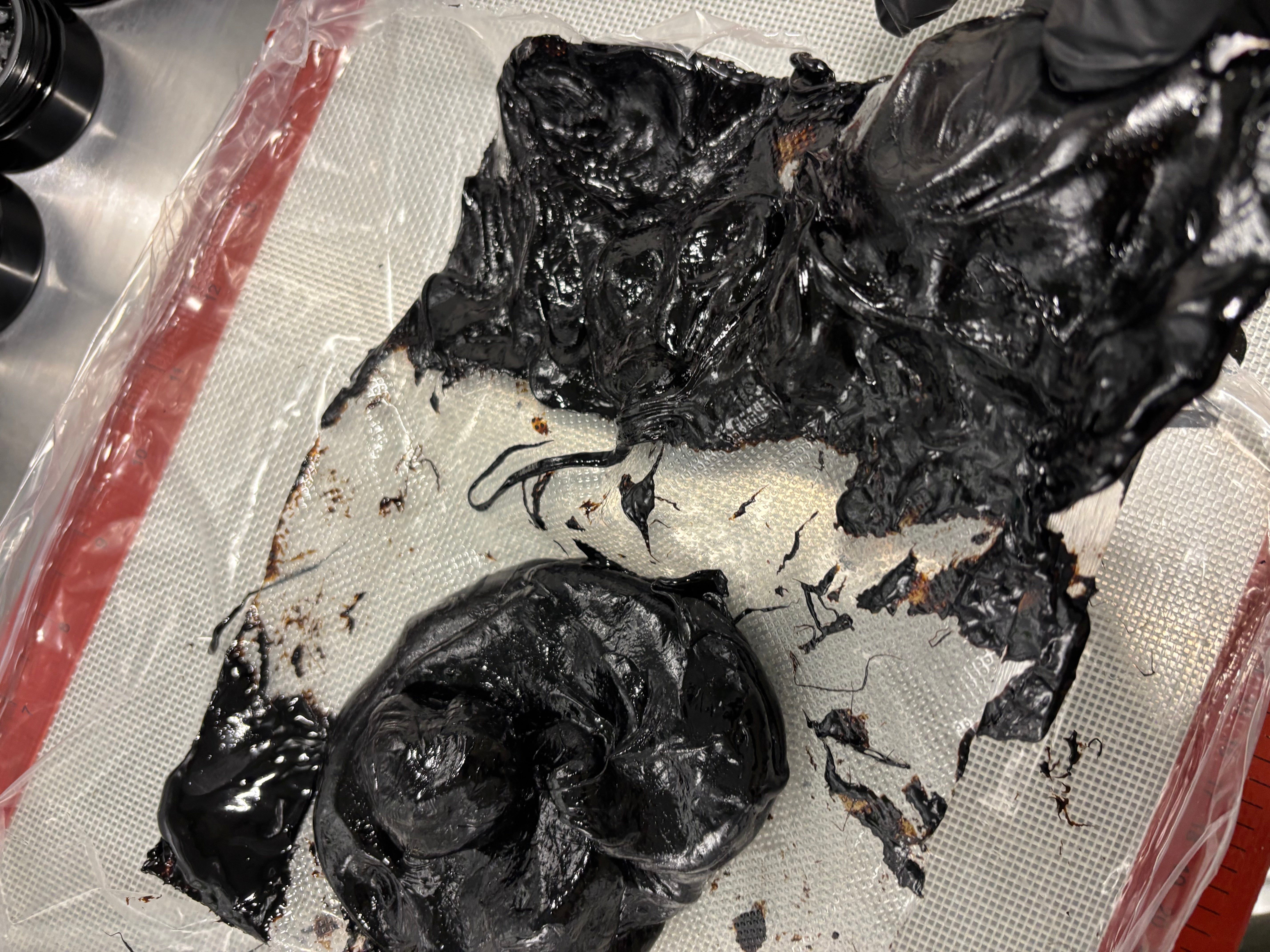
Why Is Shilajit Resin So Sticky? The Chemistry Behind Texture, Tackiness and Quality
Shilajit resin is naturally sticky, but texture alone does not prove quality. This article explains why real Shilajit can be soft, firm, stretchy, tacky or crystallised, and why testing, water content, fulvic acid, humic substances and mineral composition matter more than a simple spoon test.
Read moreabout Why Is Shilajit Resin So Sticky? The Chemistry Behind Texture, Tackiness and Quality
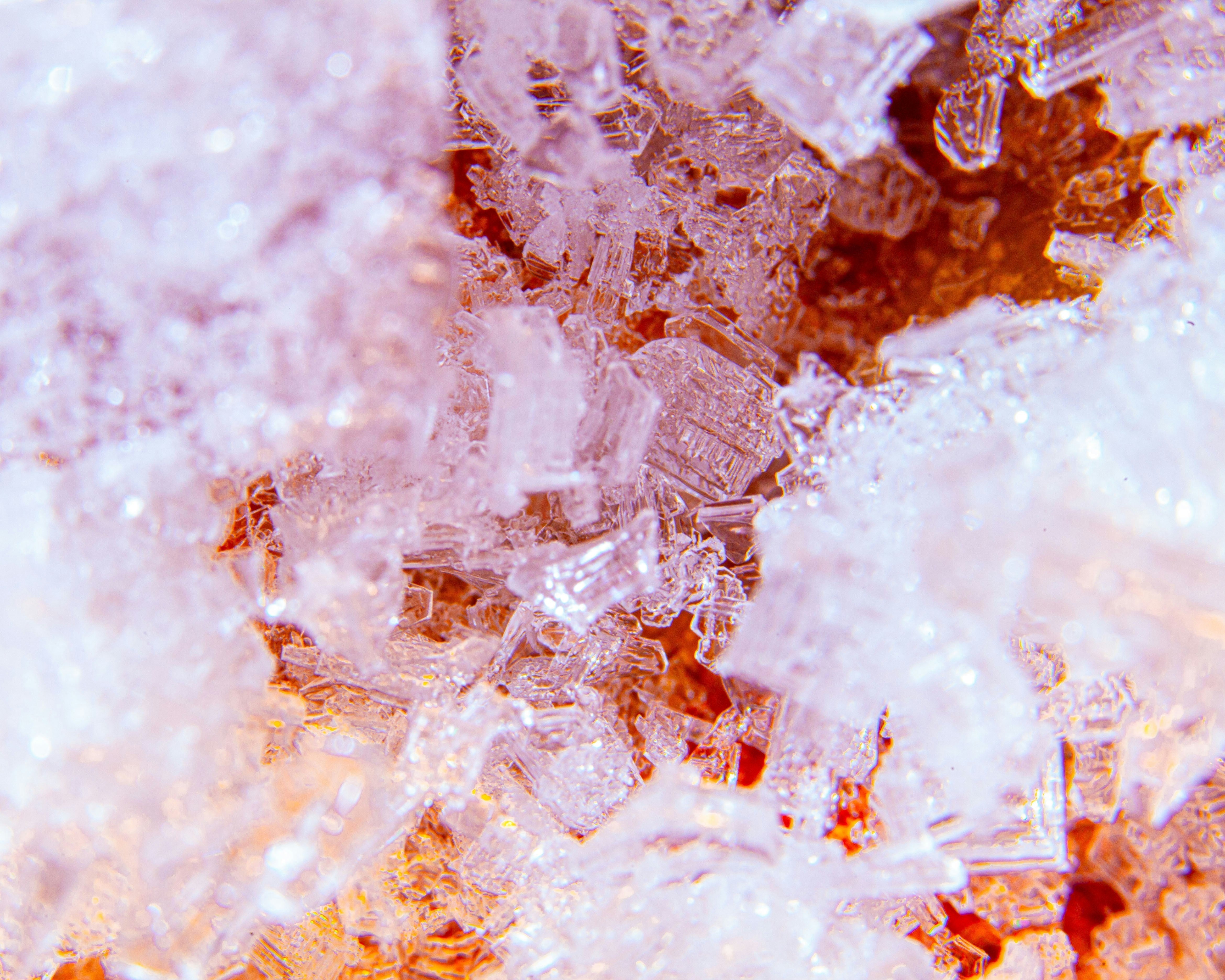
Electrolyte Forms Explained: Mineral Salts, Bioavailability and Why Compound Weight Can Mislead
Electrolyte forms matter because the compound on the label is not always the mineral amount your body receives. This guide explains sodium citrate, sea salt, potassium gluconate, potassium chloride, magnesium malate, calcium citrate and why elemental values are the numbers that count.
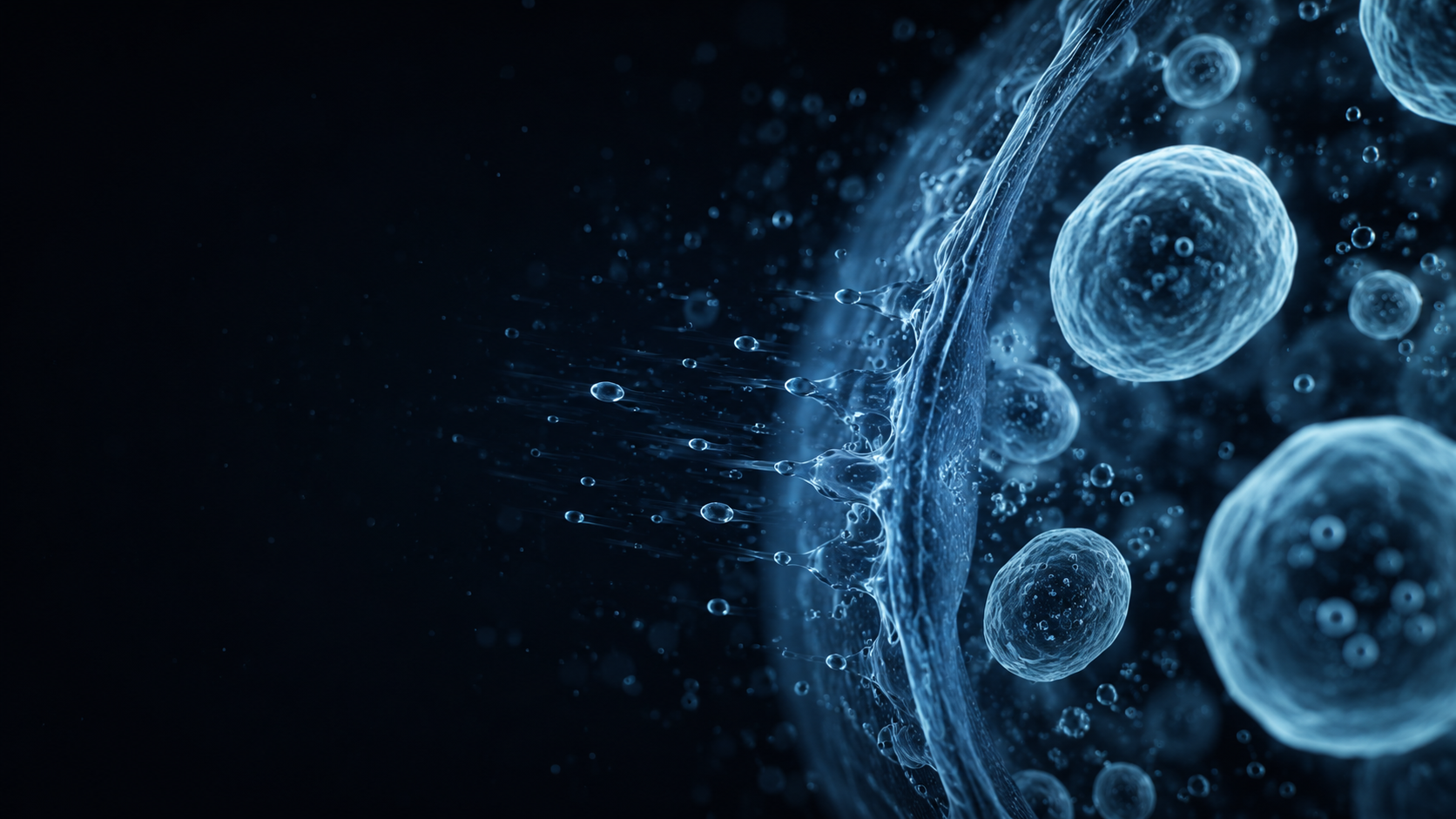
Osmolality, Osmosis and Hydration: How Water Actually Moves Through the Body
Hydration is not just fluid intake. This guide explains osmosis, osmolality and how water moves through the body, including why electrolytes, sodium and drink concentration matter during training.
Read moreabout Osmolality, Osmosis and Hydration: How Water Actually Moves Through the Body
What Makes a Good Intra-Workout Hydration Formula? Electrolytes, Osmolytes and Label Transparency
A good intra-workout hydration formula is not just flavoured electrolytes. It should be built in layers: fluid balance, sweat replacement, osmolyte support, performance support, drinkability and full label transparency.
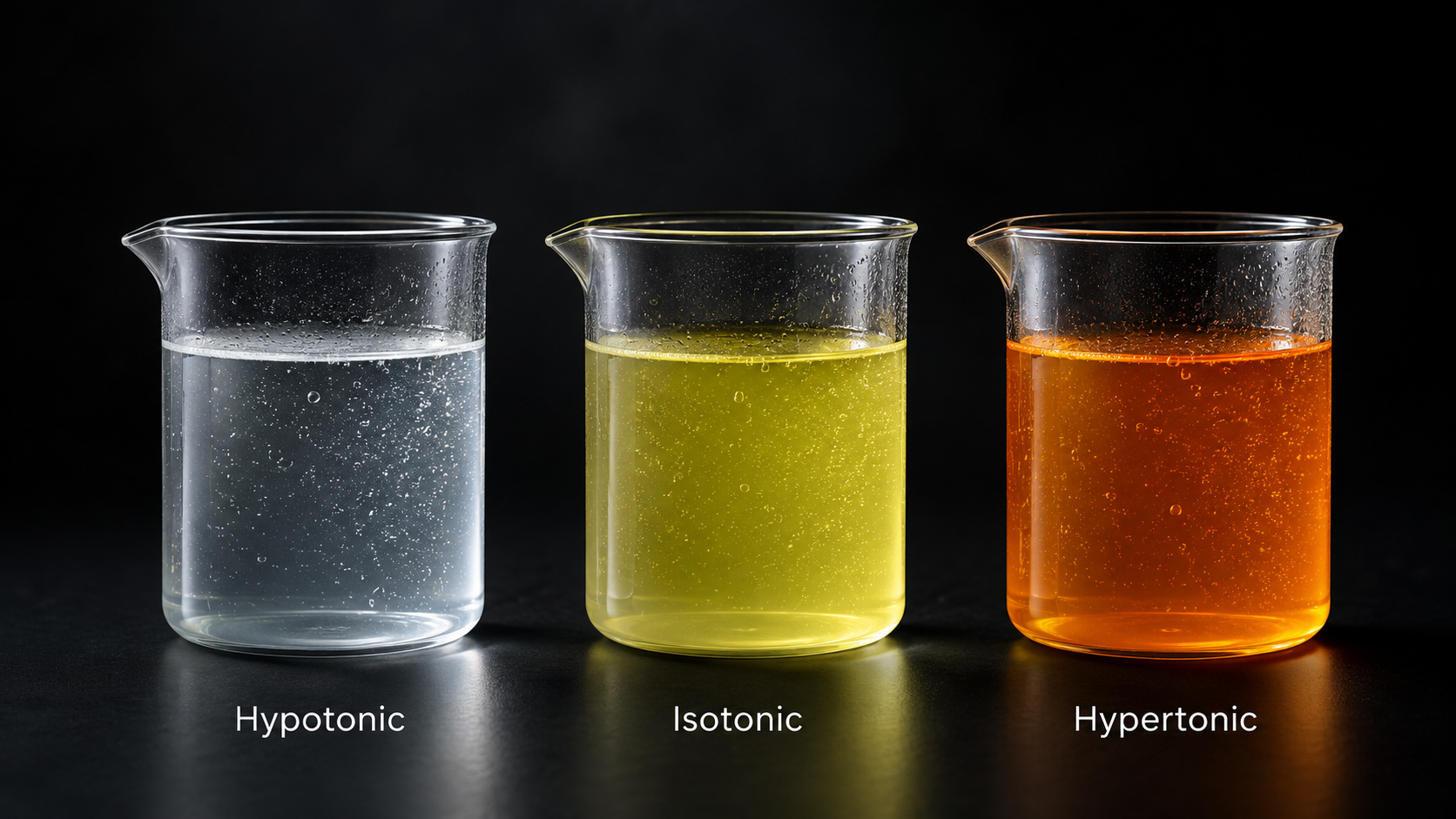
Isotonic, Hypotonic and Hypertonic Drinks: What’s the Difference for Athletes?
Isotonic, hypotonic and hypertonic drinks are built for different jobs. This guide explains how drink concentration affects hydration, fuel, electrolytes and performance, and how to choose the right format for your training.
Read moreabout Isotonic, Hypotonic and Hypertonic Drinks: What’s the Difference for Athletes?
What Electrolytes Do You Lose in Sweat? Sodium, Chloride, Potassium and Magnesium Explained
Sweat is mostly water, but it also contains electrolytes. This guide explains which minerals you lose when you sweat, why sodium and chloride matter most, and how to think about hydration during harder training sessions.