


Learn
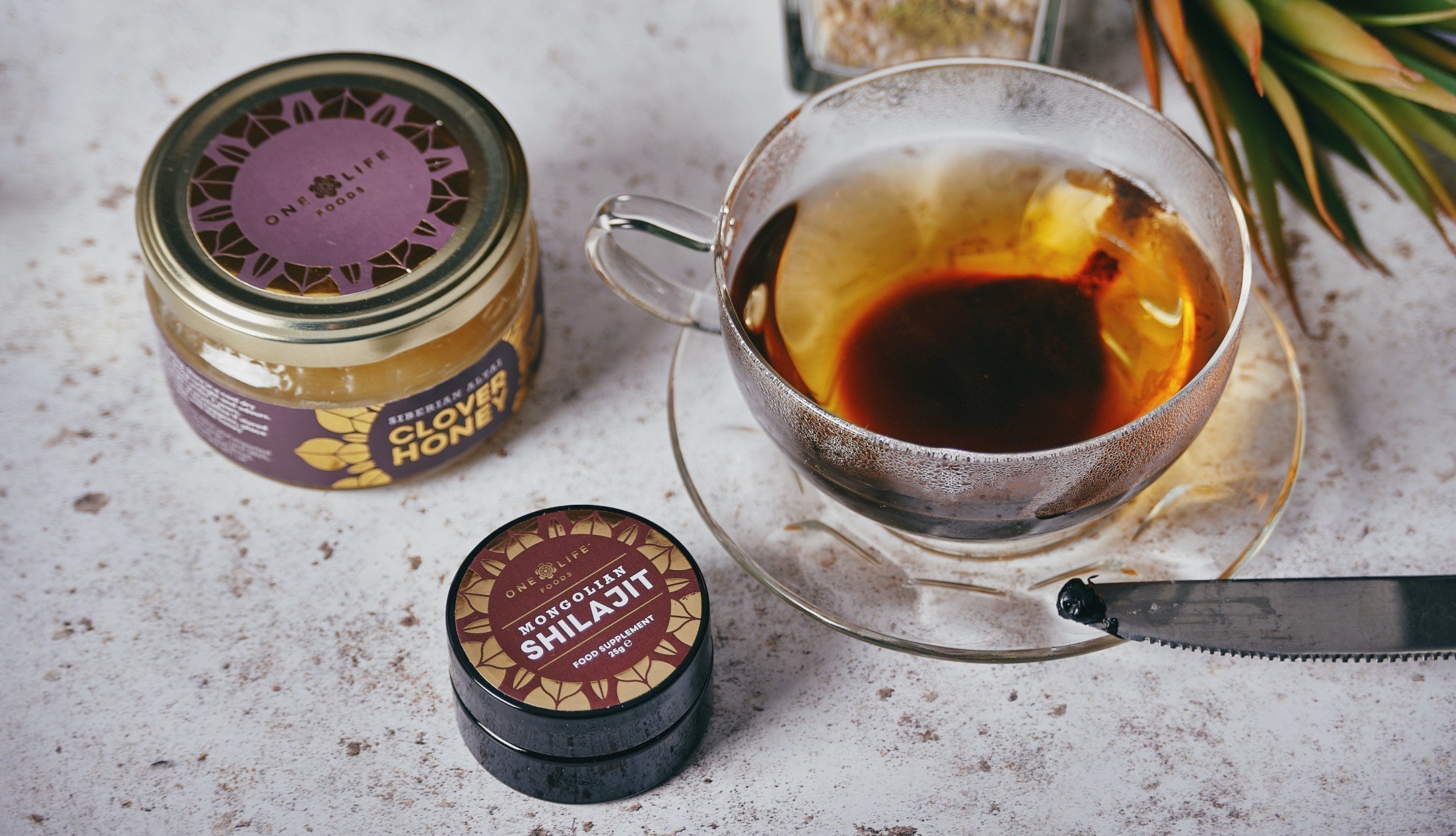
The Missing Half: Why Humic Acid Matters — The Overlooked Key to Full-Spectrum Shilajit
Fulvic acid gets the glory. Humic acid gets ignored. We explain what humic substances are, why they matter to full-spectrum Shilajit, how the proposed matrix effect may work, and why a resin with almost no humic acid can feel compositionally hollowed out.
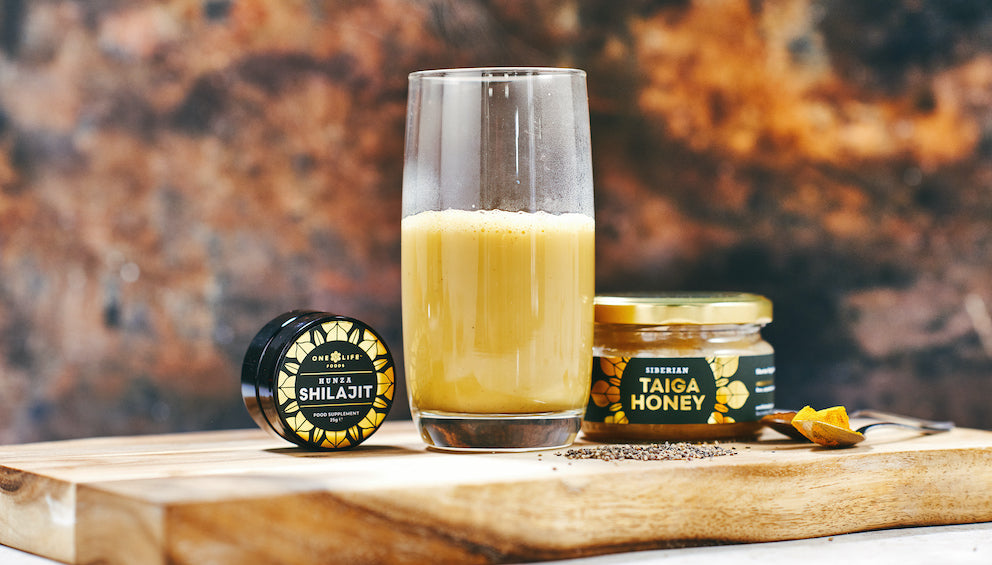
The Shilajit Deception: Why High Fulvic Acid Is a Red Flag — Sometimes
High fulvic acid does not automatically mean better Shilajit. We explain why some products claim 70% to 80%, how raw and purified resins differ, and why the test method matters more than the headline number.
Read moreabout The Shilajit Deception: Why High Fulvic Acid Is a Red Flag — Sometimes
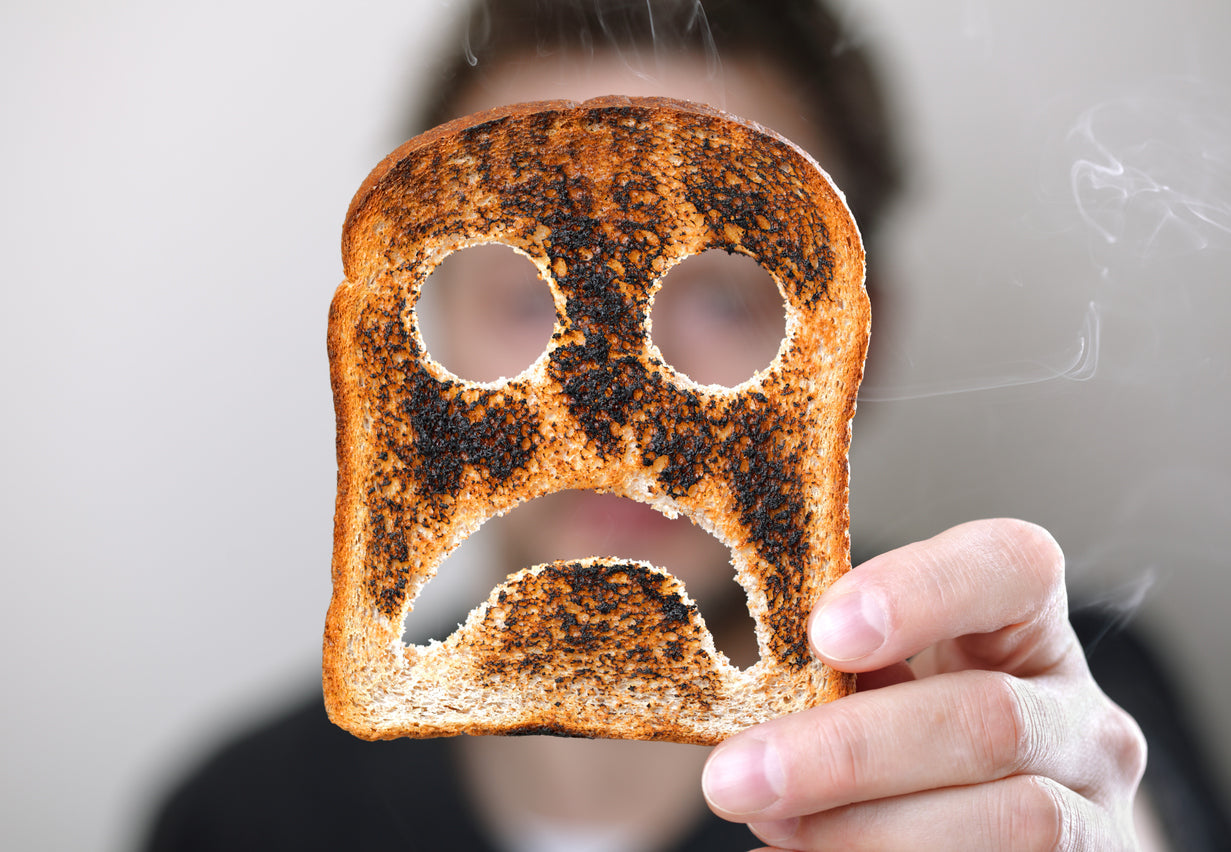
The Shilajit Flame Test: Because Nothing Says ‘Authentic’ Like Setting Fire to Your Supplements
The Shilajit flame test is dramatic, cheap and oddly satisfying, but it does not prove purity, potency or safety. This article explains what happens when Shilajit is exposed to flame, what the test might reveal, and why proper lab testing matters far more than supplement theatre with a lighter.
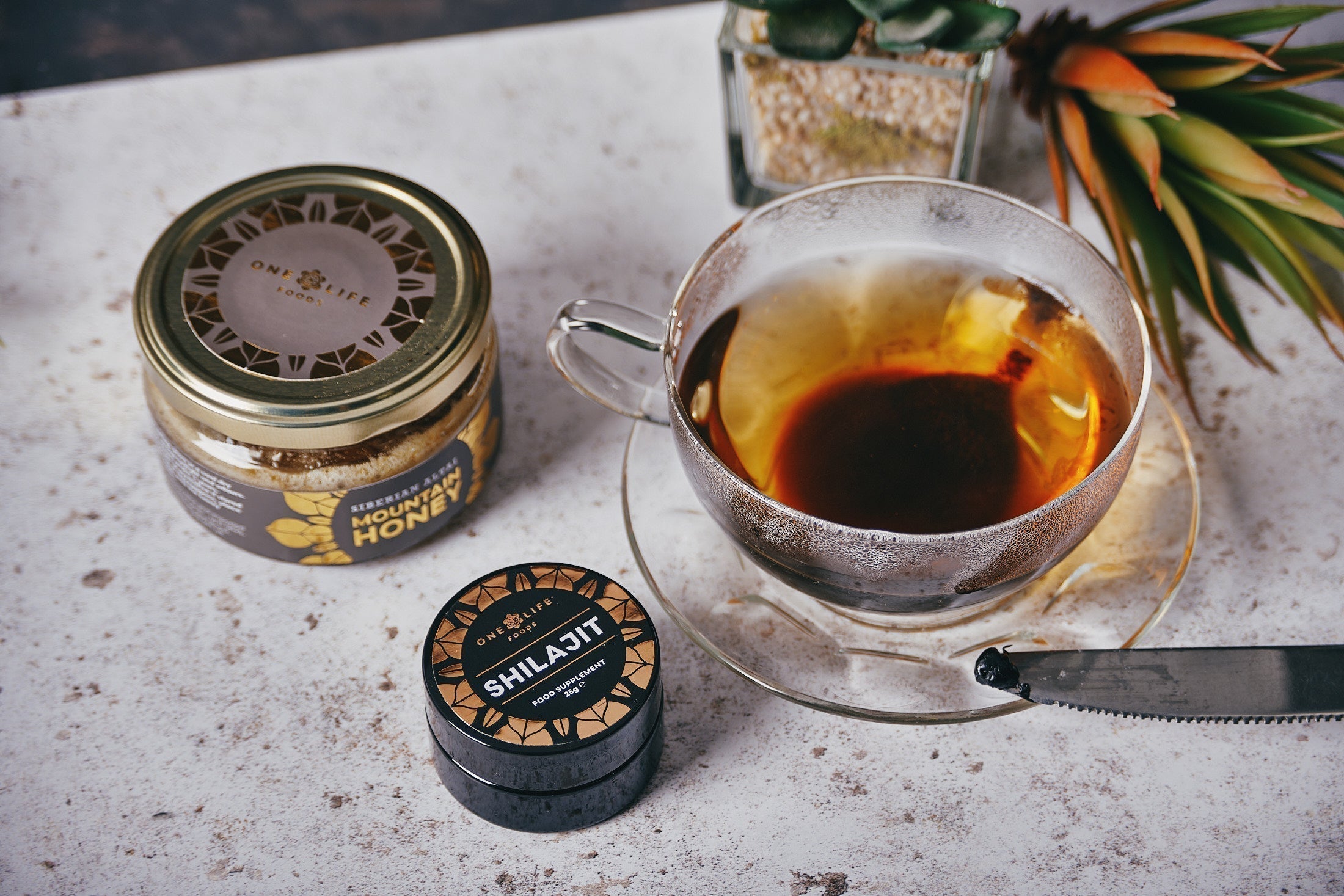
Why Lab Tests from Shilajit Suppliers Aren’t Always Reliable
With Shilajit becoming a popular supplement, it’s more important than ever for consumers to understand the nuances of lab testing. While lab certificates may seem like a guarantee of quality, inconsistent testing methods, regional variations, and questionable practices like "lab shopping" can make results unreliable. This post explores why not all lab tests are created equal, how improper sample handling can affect results, and the importance of choosing brands that prioritise transparency and third-party, accredited testing. By staying informed, consumers can ensure they’re getting the true benefits of Shilajit in its most effective form.
Read moreabout Why Lab Tests from Shilajit Suppliers Aren’t Always Reliable