


Learn
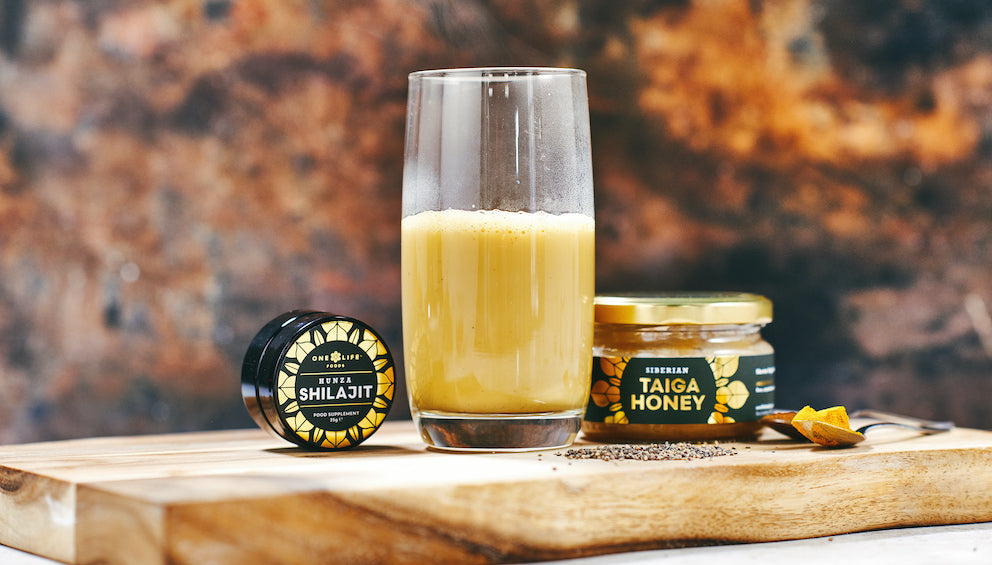
The Shilajit Deception: Why High Fulvic Acid Is a Red Flag — Sometimes
Not all Shilajit is created equal. Discover why ultra-high fulvic acid claims (60%–80%) often signal poor quality — and how real, full-spectrum resins differ.
Read moreabout The Shilajit Deception: Why High Fulvic Acid Is a Red Flag — Sometimes
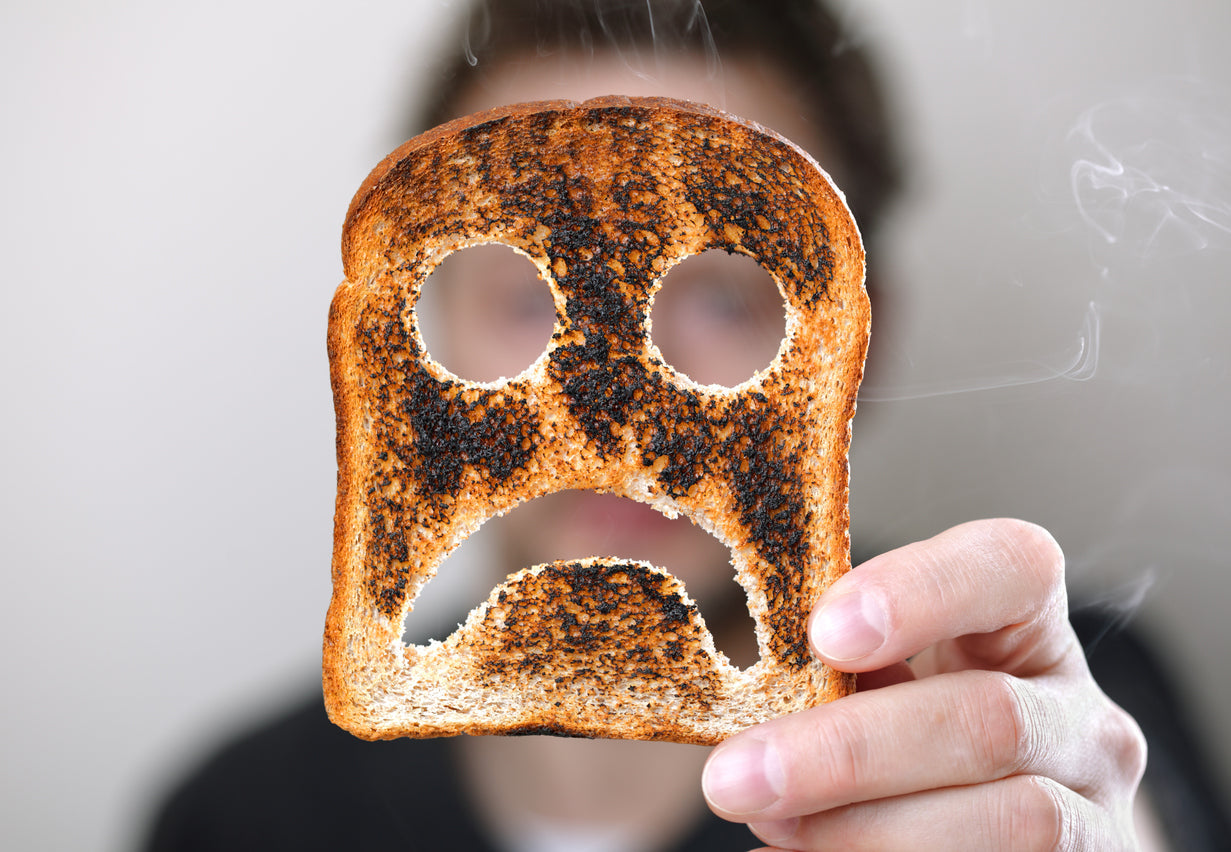
The Shilajit Flame Test: Because Nothing Says ‘Authentic’ Like Setting Fire to Your Supplements
The Shilajit Flame Test: Ancient wisdom or Instagram nonsense?
Everyone’s setting their Shilajit on fire and calling it “authentic.” But does it actually prove anything? In this no-nonsense guide, we break down the cult of the flame test — what it shows, what it doesn’t, and why lighting your supplements on fire probably isn’t the pinnacle of science.
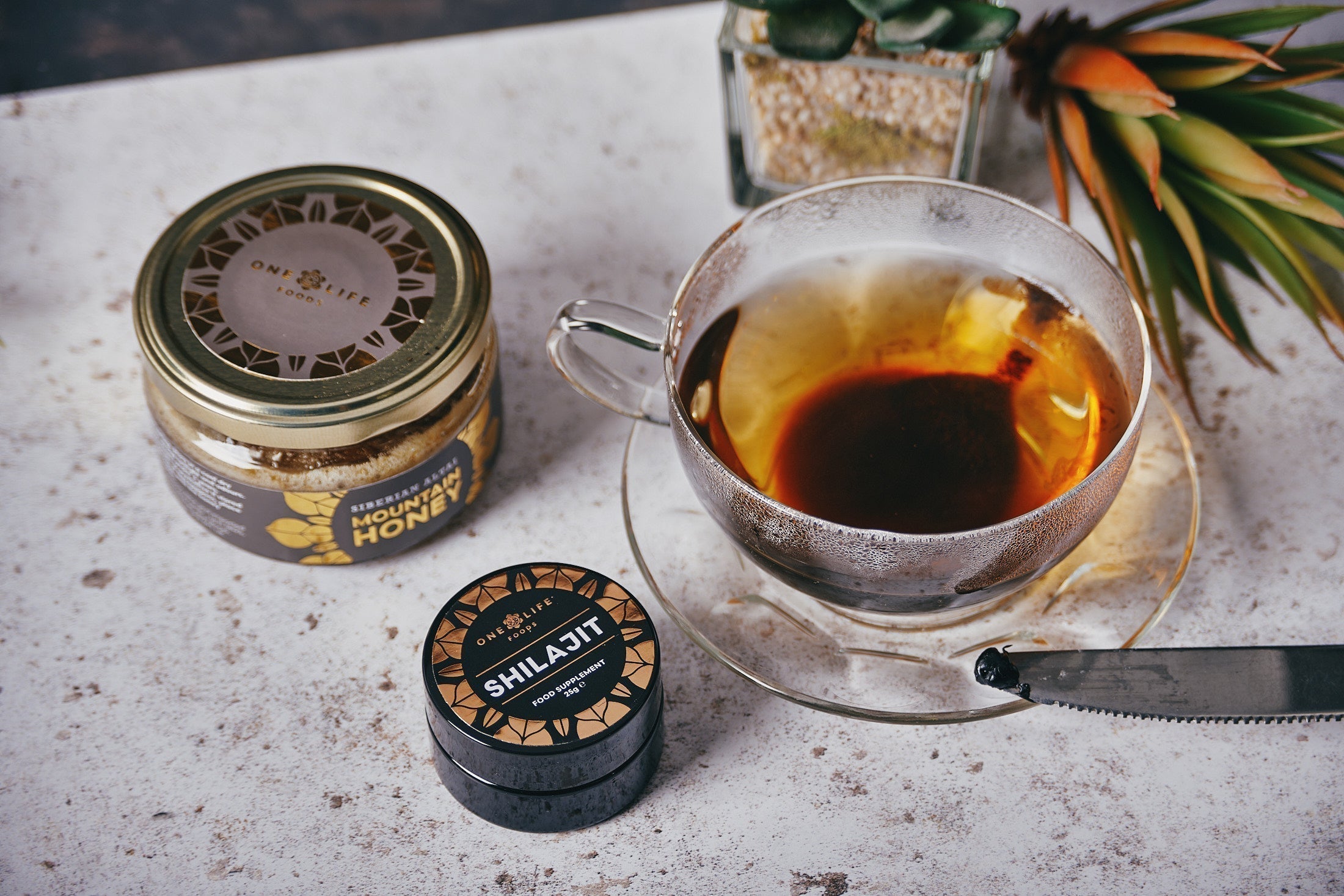
Why Lab Tests from Shilajit Suppliers Aren’t Always Reliable
With Shilajit becoming a popular supplement, it’s more important than ever for consumers to understand the nuances of lab testing. While lab certificates may seem like a guarantee of quality, inconsistent testing methods, regional variations, and questionable practices like "lab shopping" can make results unreliable. This post explores why not all lab tests are created equal, how improper sample handling can affect results, and the importance of choosing brands that prioritise transparency and third-party, accredited testing. By staying informed, consumers can ensure they’re getting the true benefits of Shilajit in its most effective form.
Read moreabout Why Lab Tests from Shilajit Suppliers Aren’t Always Reliable